— Santa Maria Island-ENG-NEW

The northernmost island in the La Maddalena Archipelago, in Sardinia. White sand, medieval history and natural beauty in one of the most peaceful corners of the sea.

Quiet and nature on Santa Maria Island

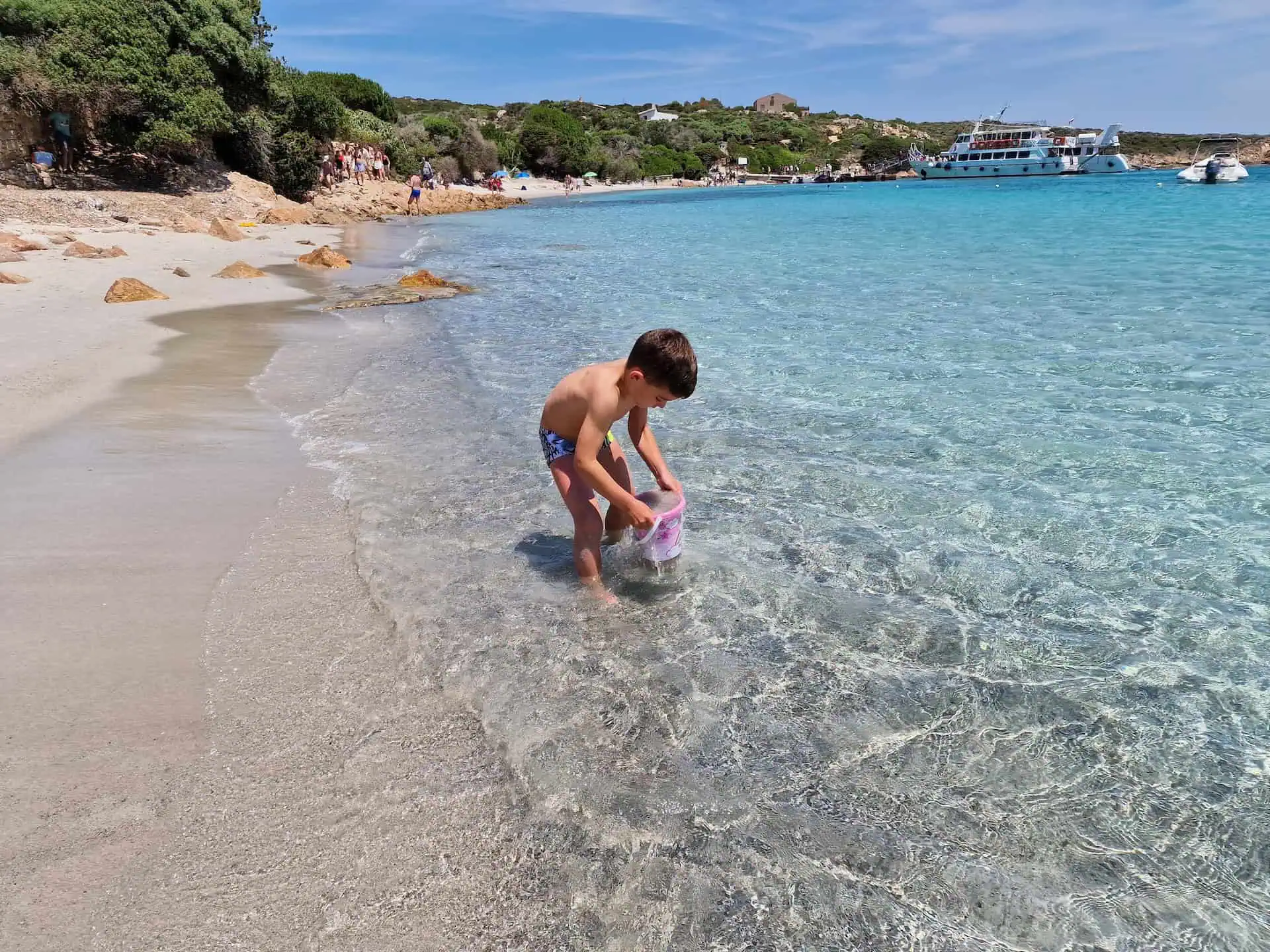
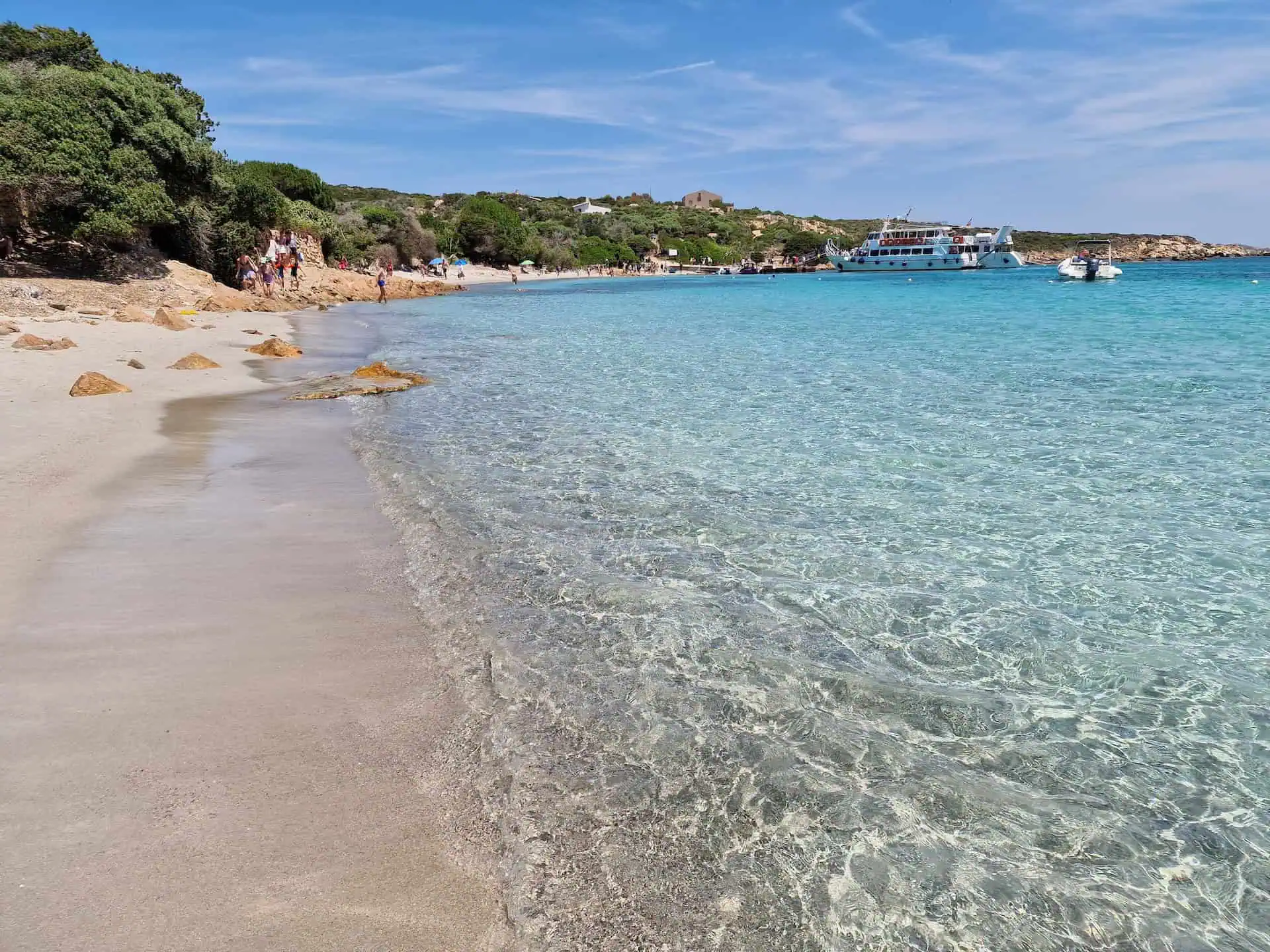
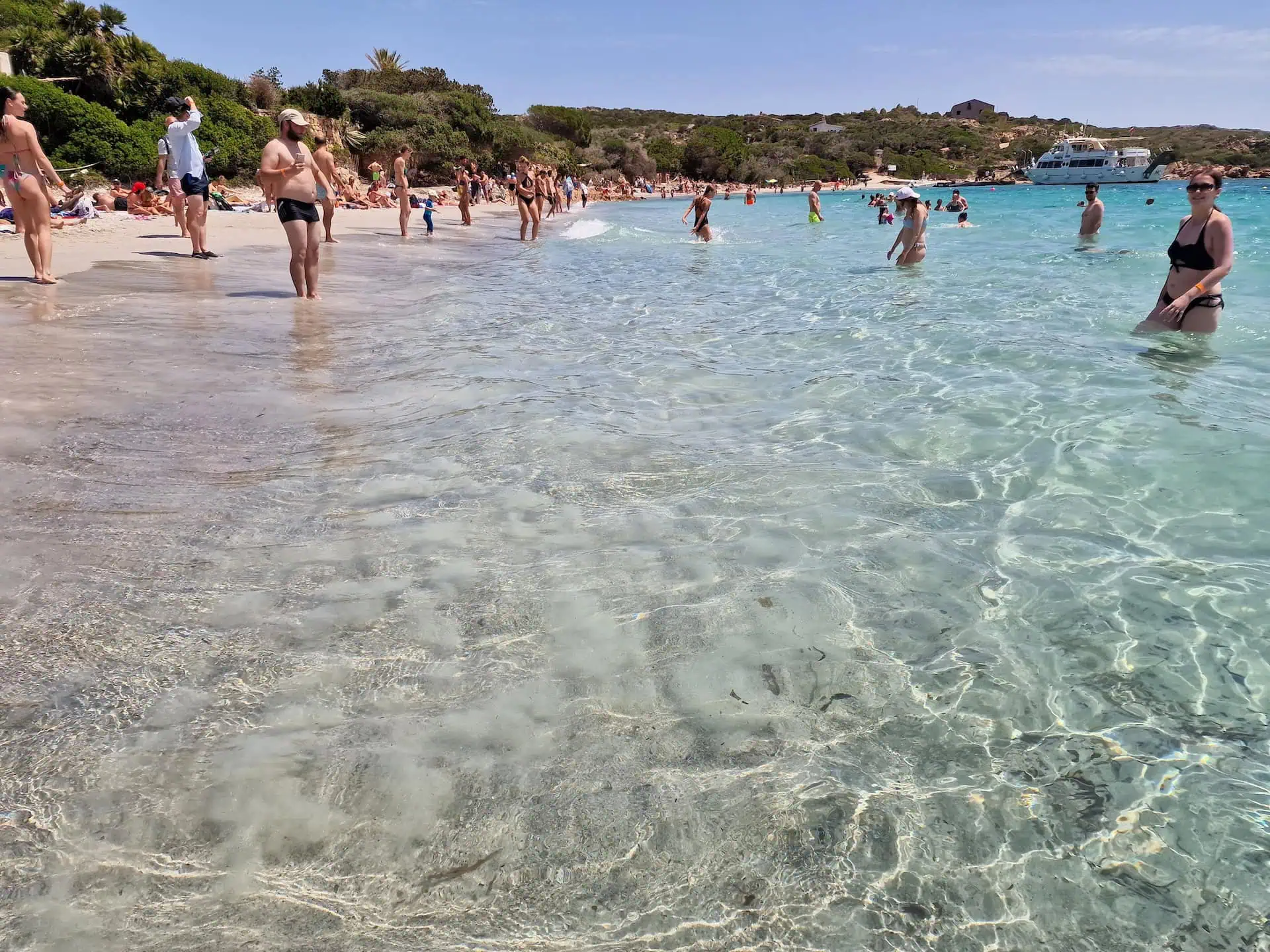
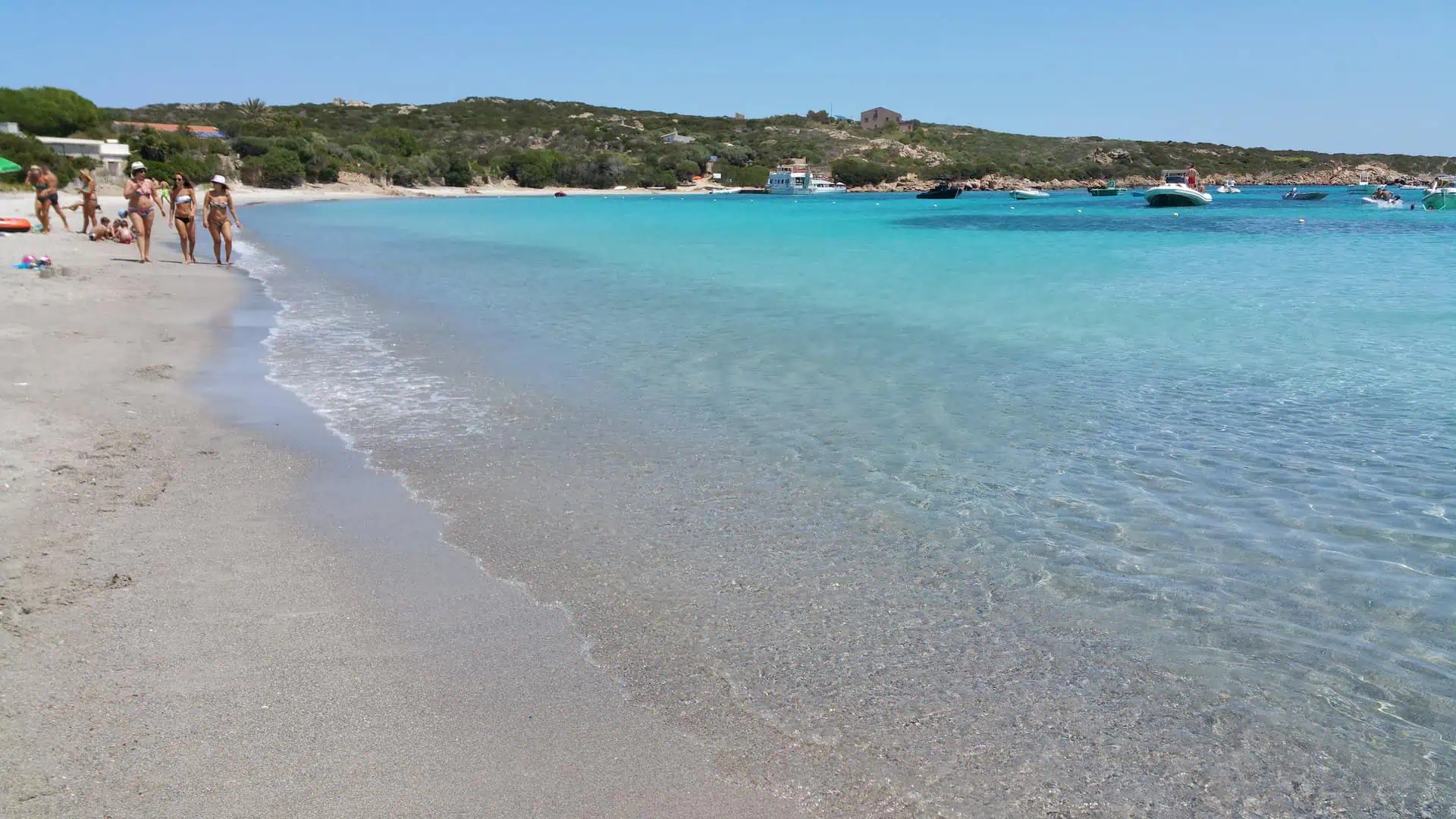
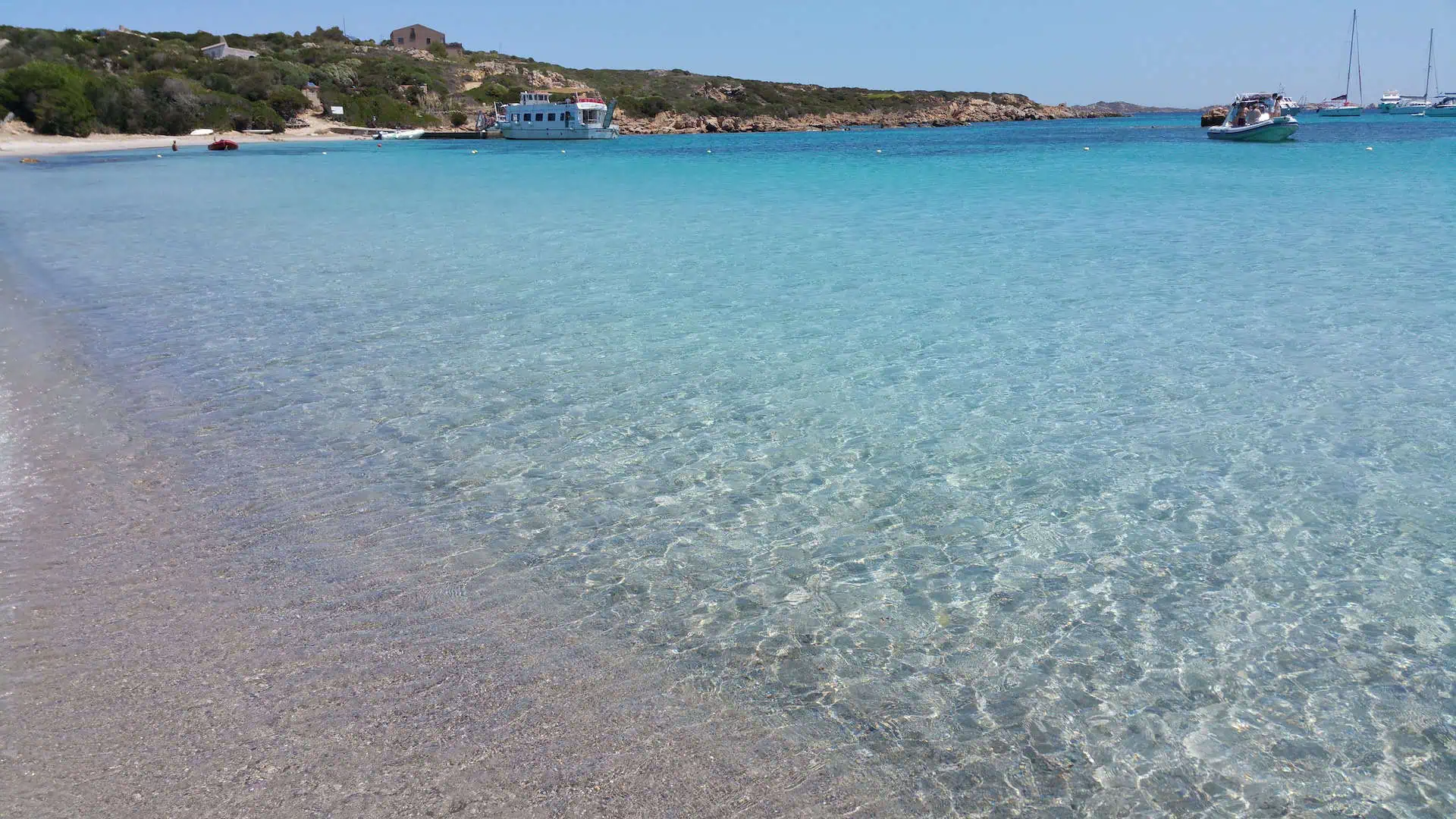
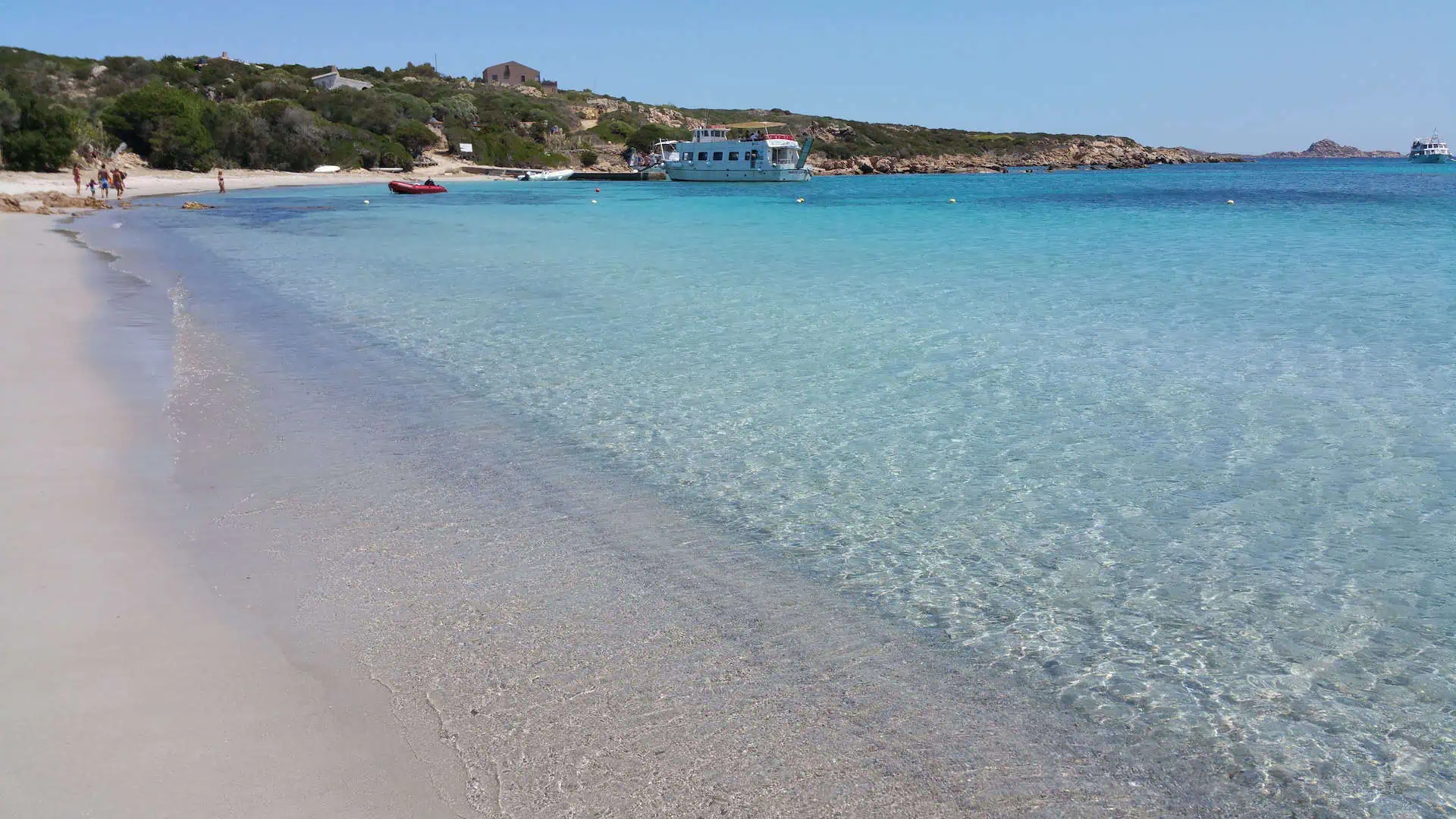
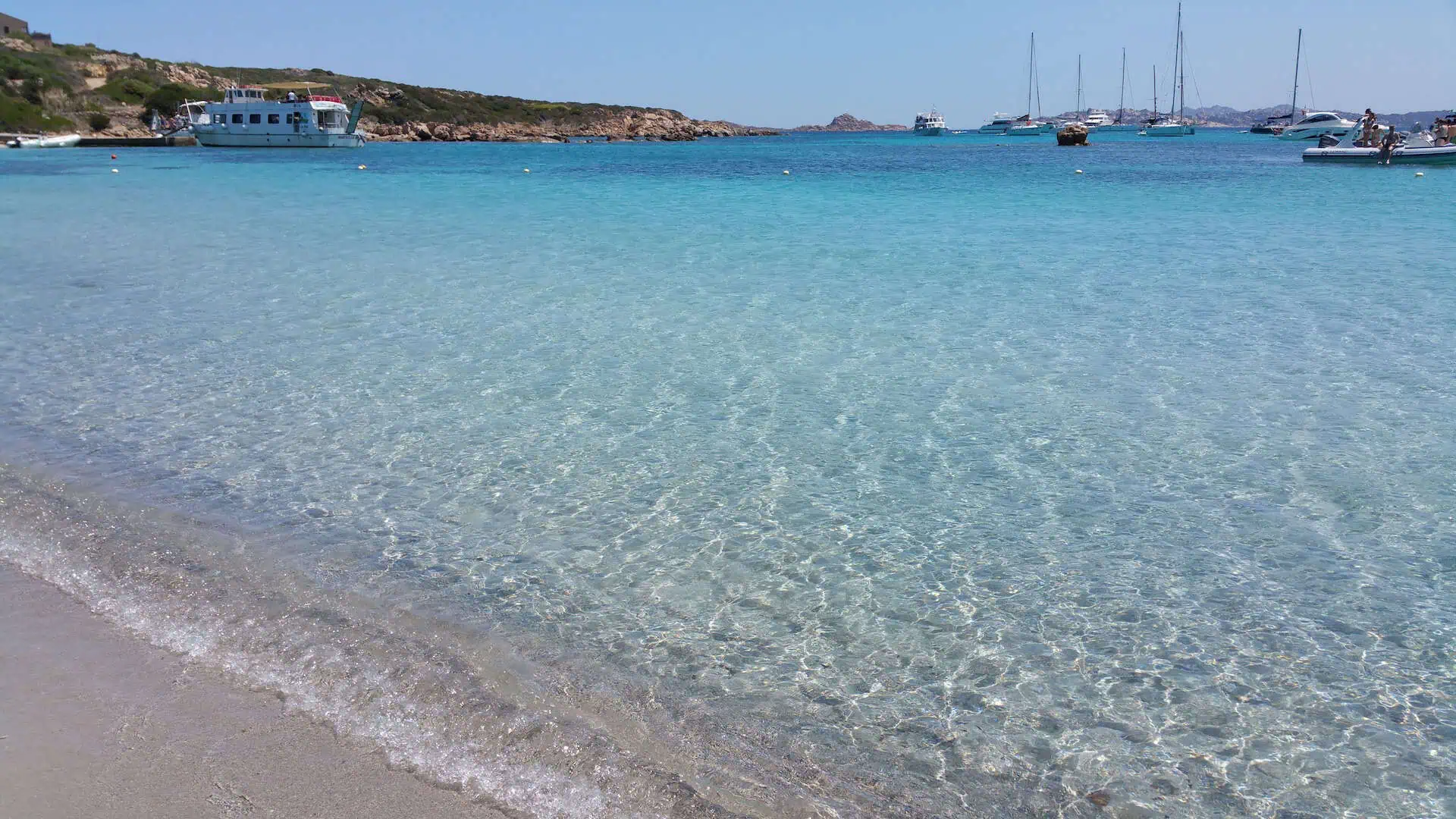
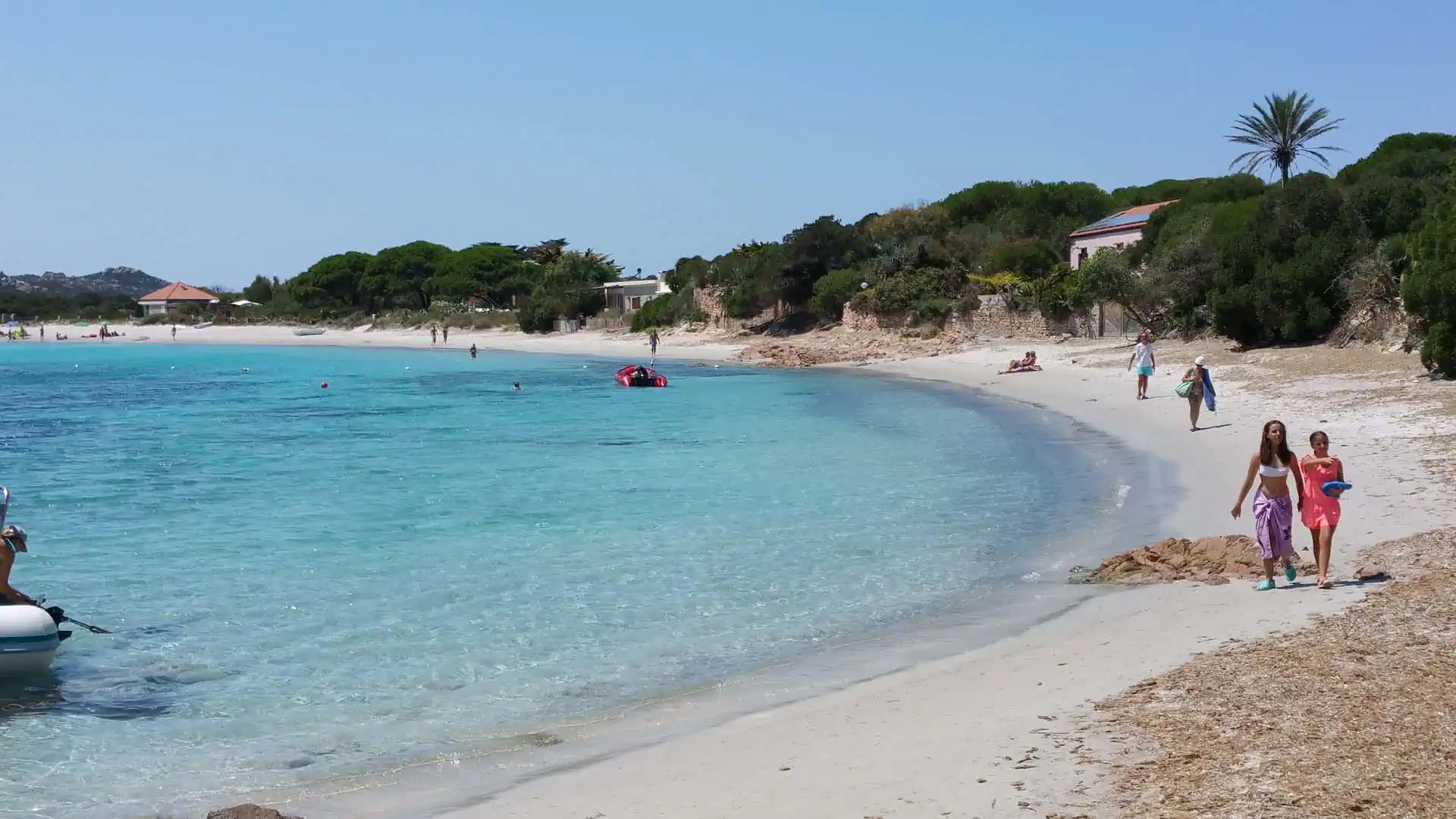
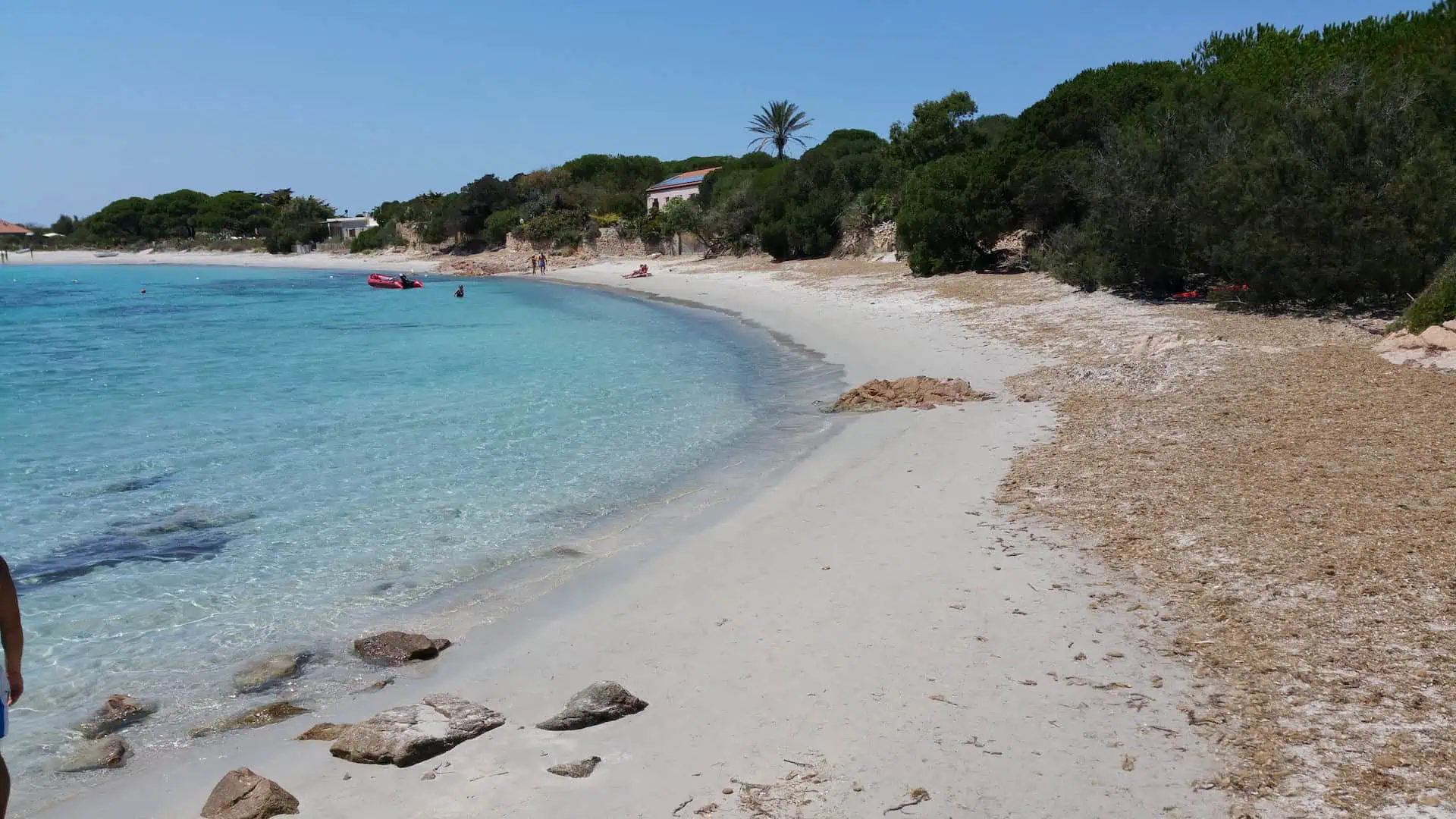
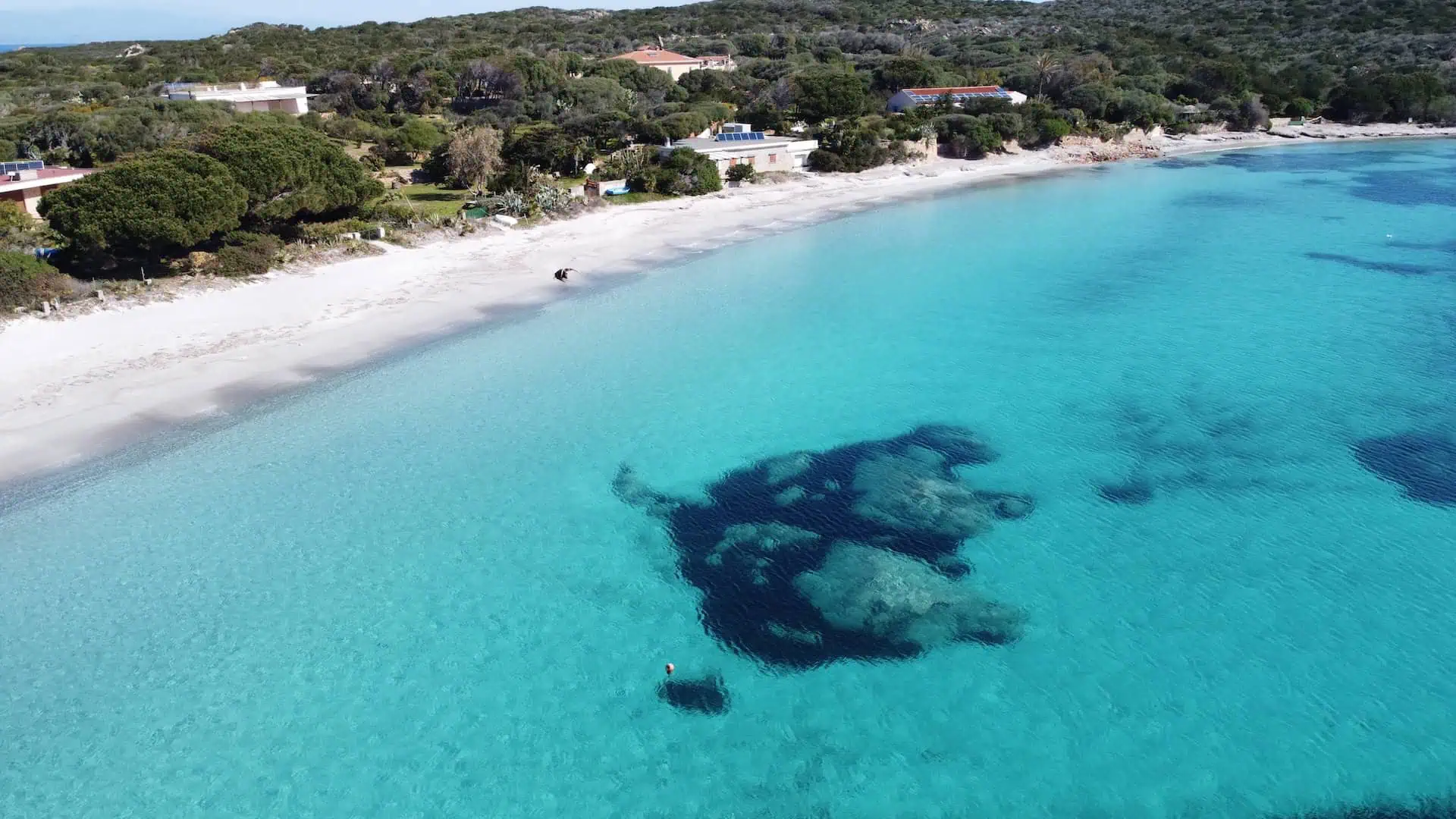
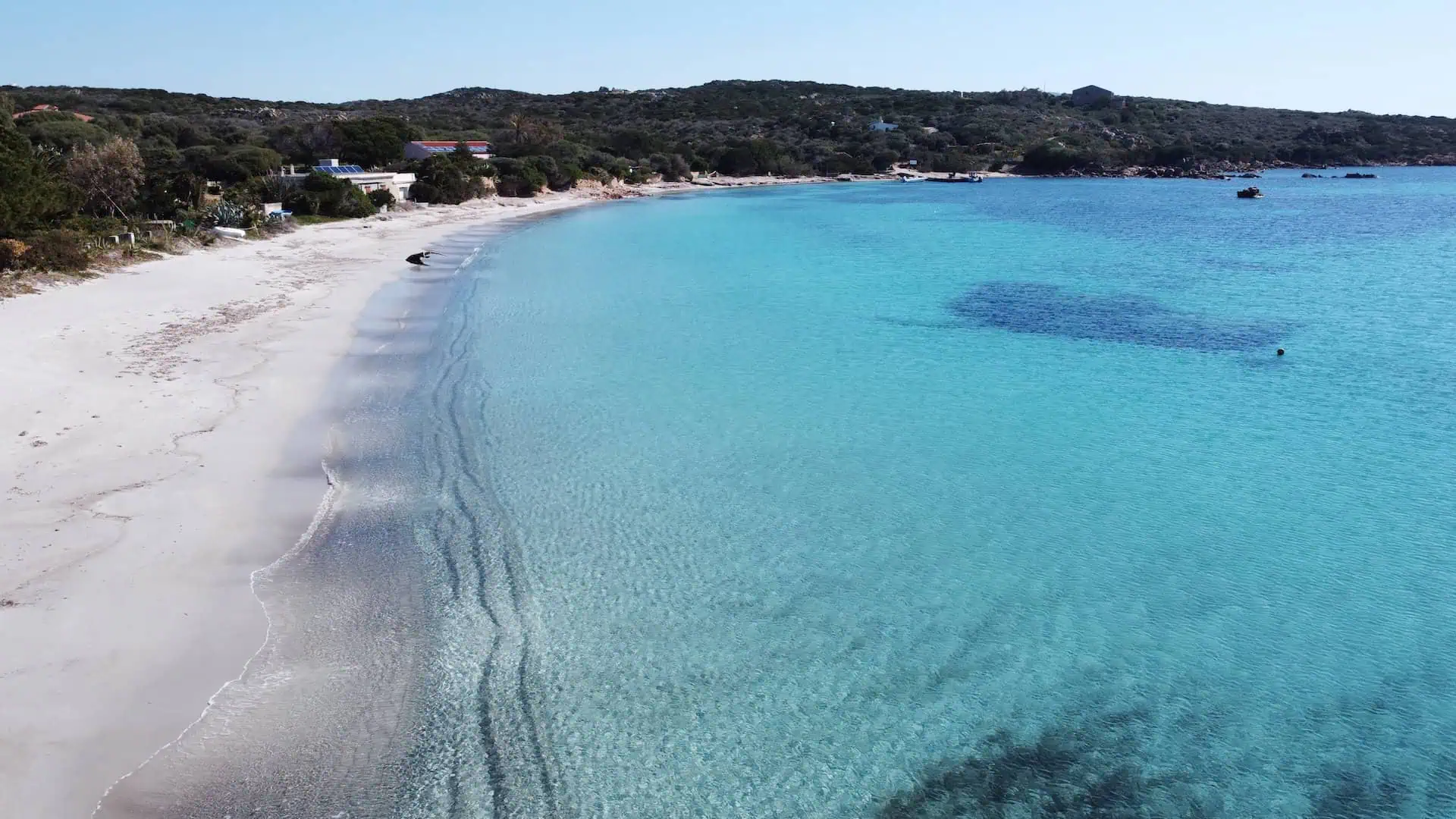
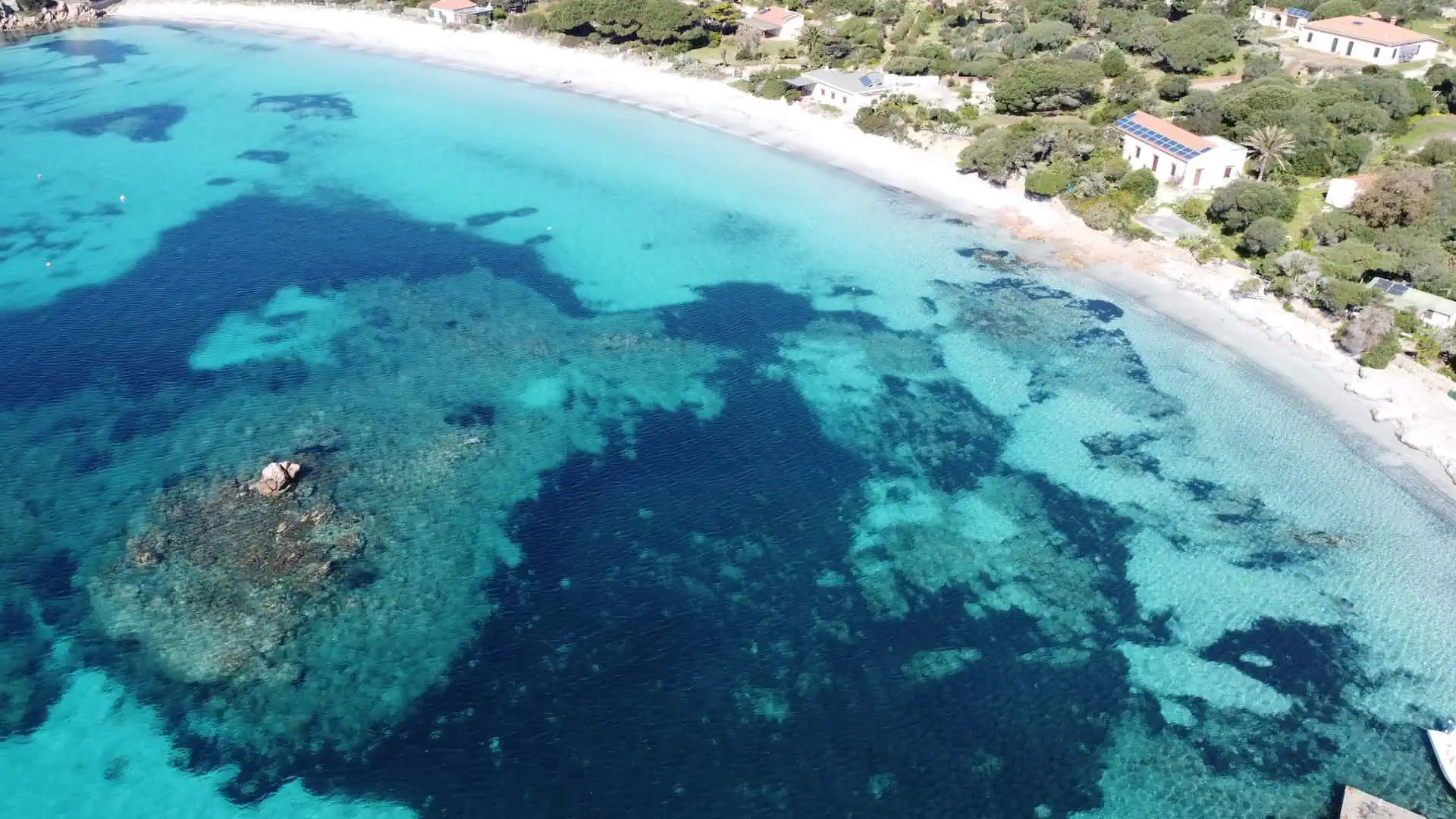
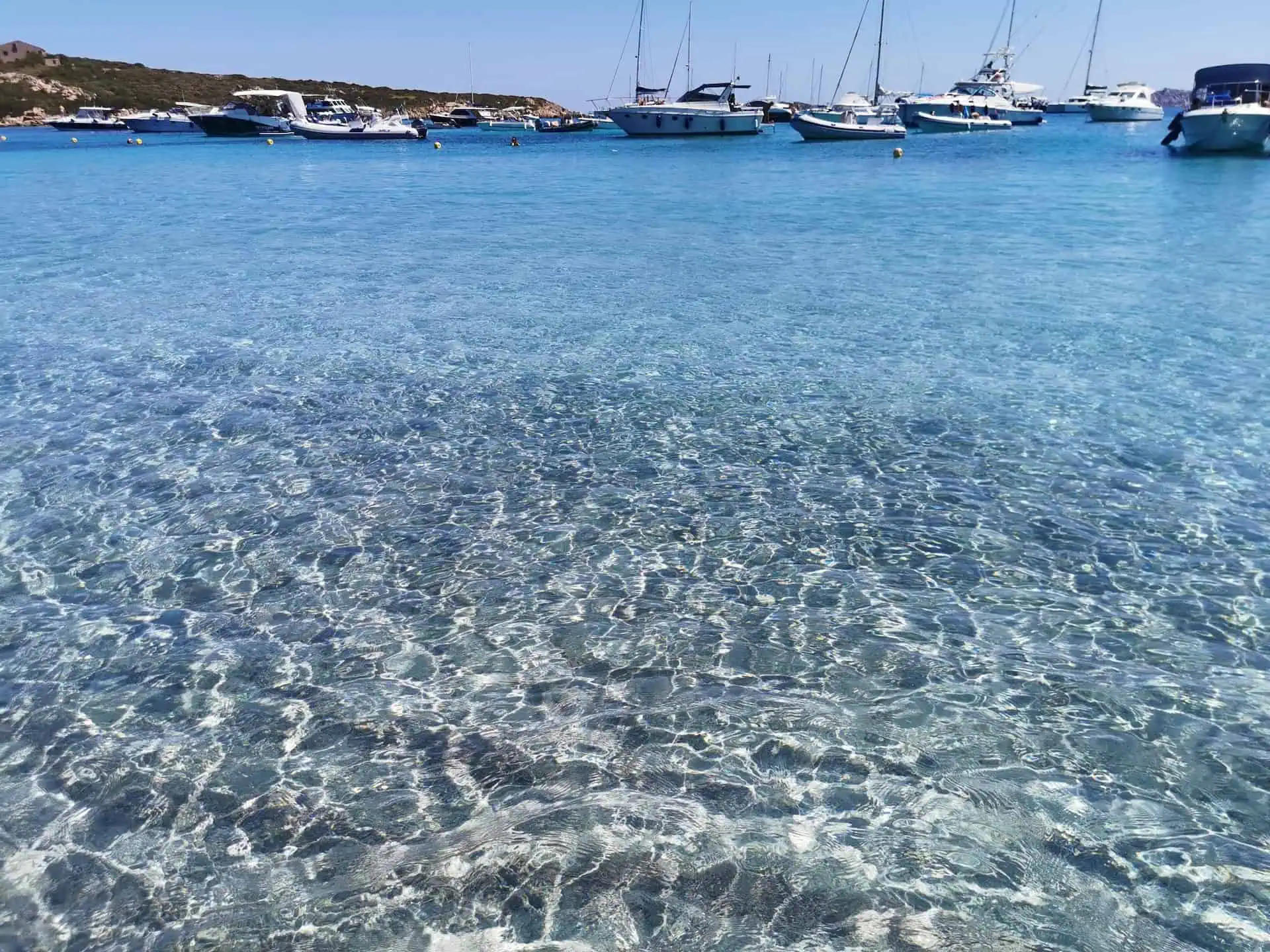
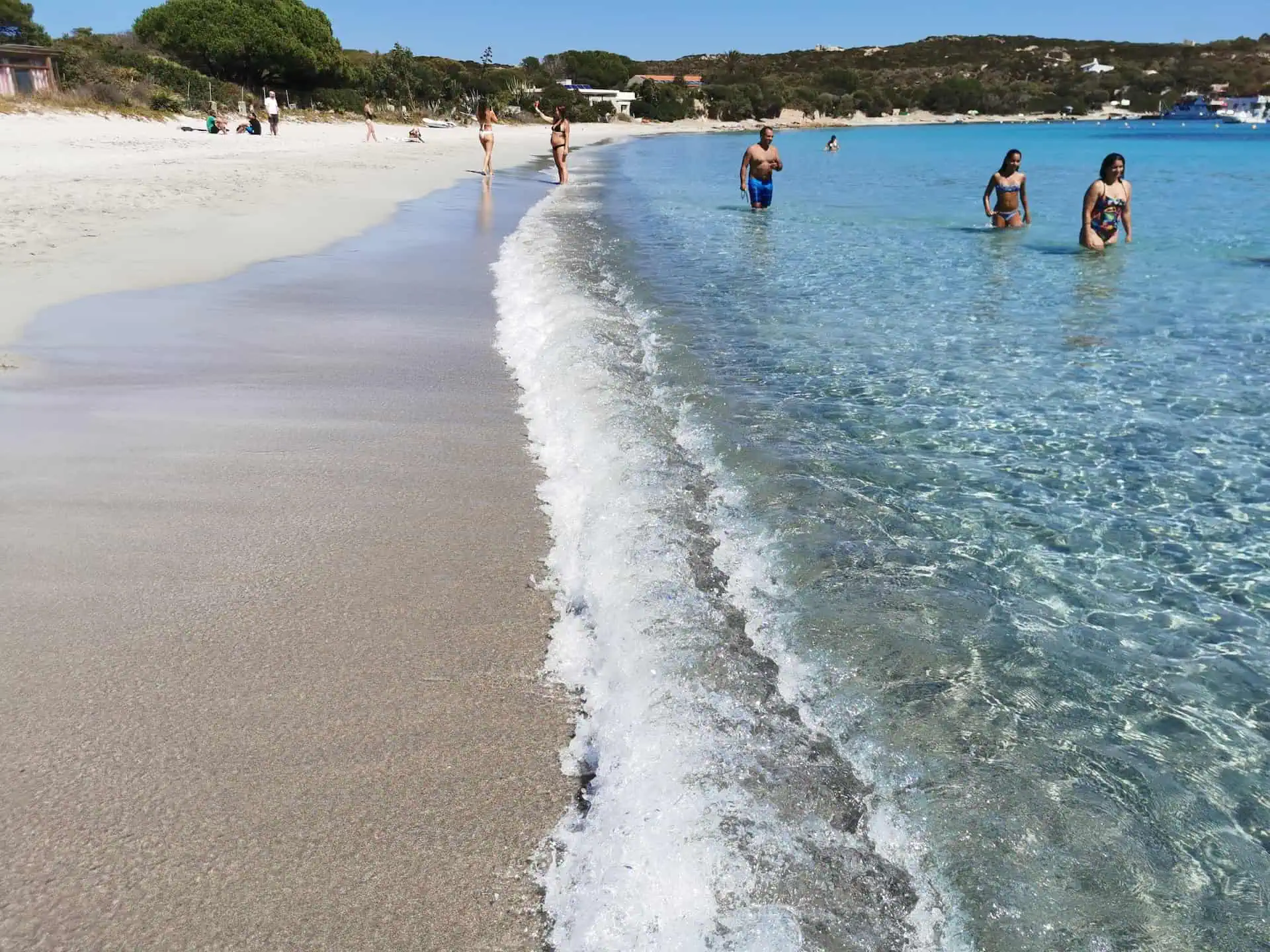
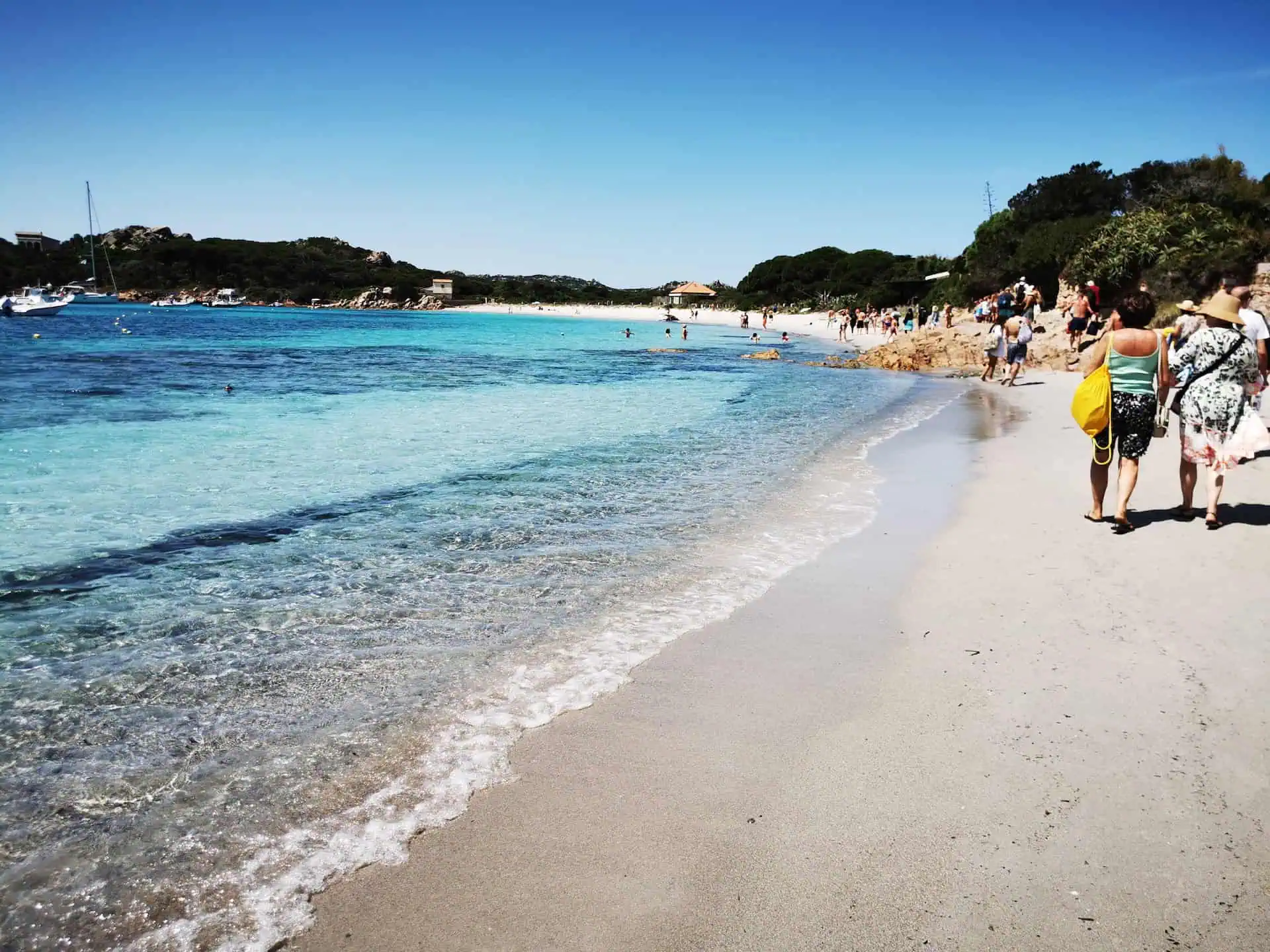
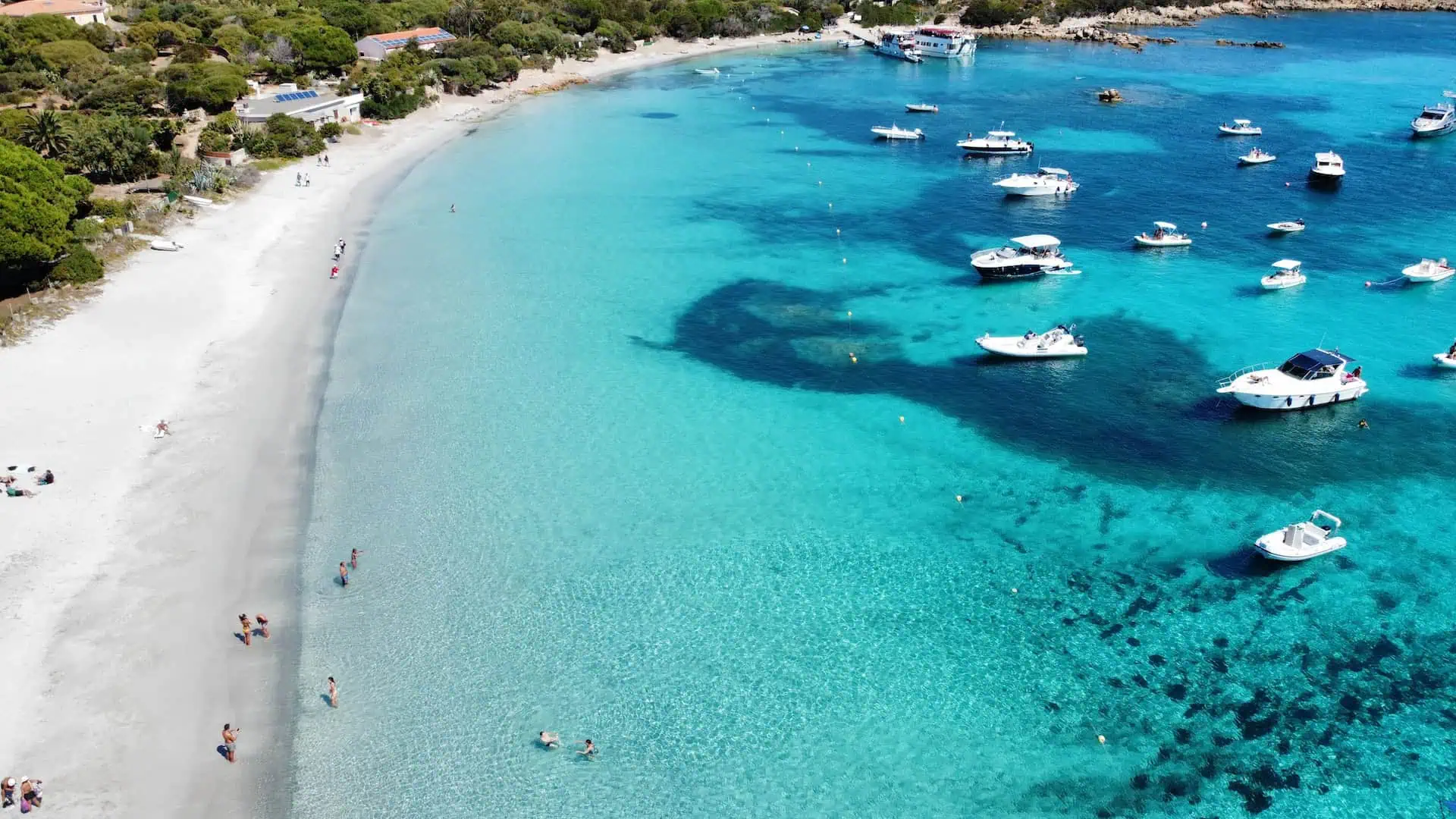
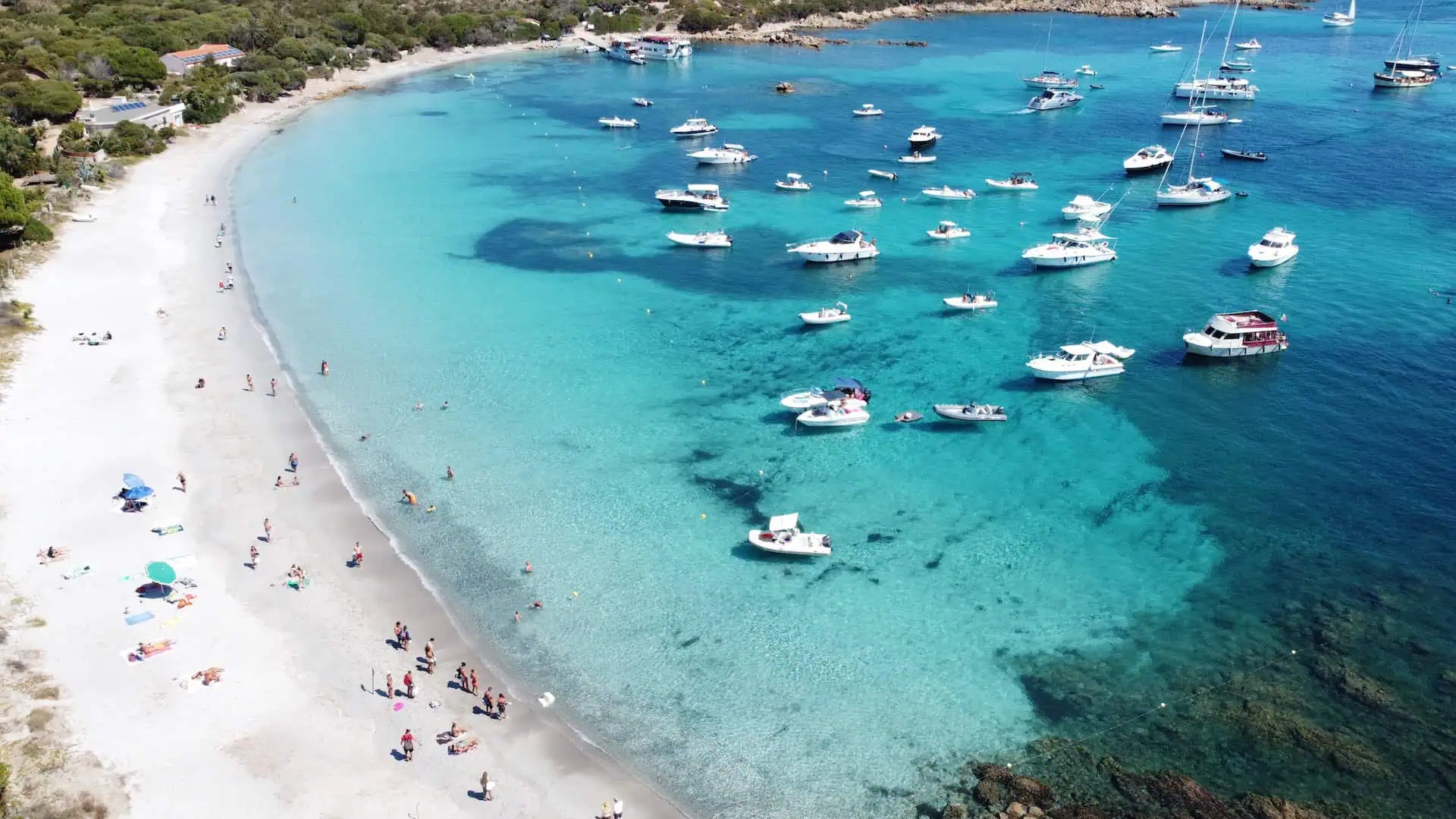
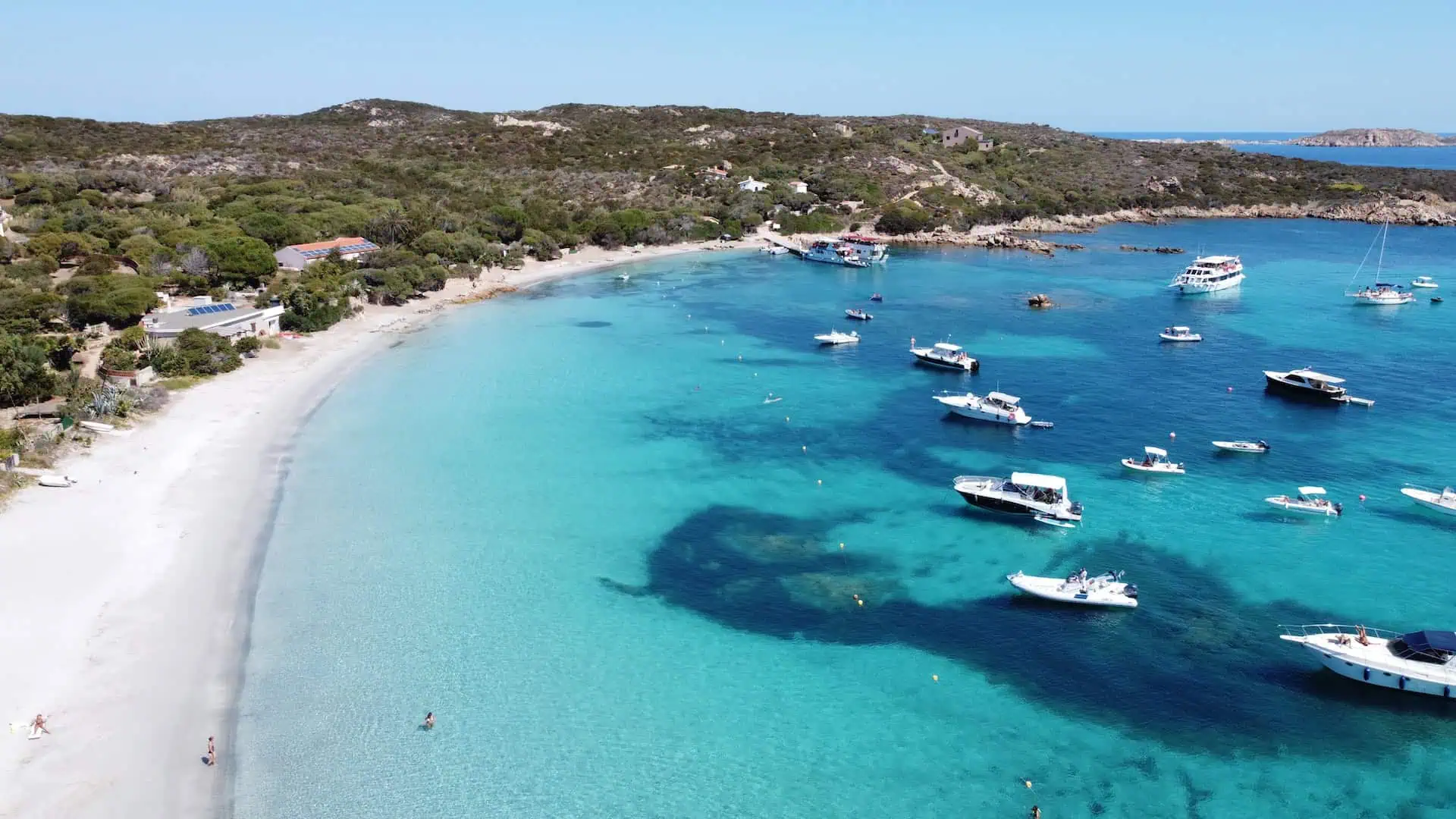
Covering just 2 square kilometres with 10 kilometres of coastline, Santa Maria is one of the calmest islands in the La Maddalena Archipelago. Separated from the island of Razzoli by the Passo degli Asinelli, the Santa Maria beach offers a postcard scene of white sand and shallow, clear water.

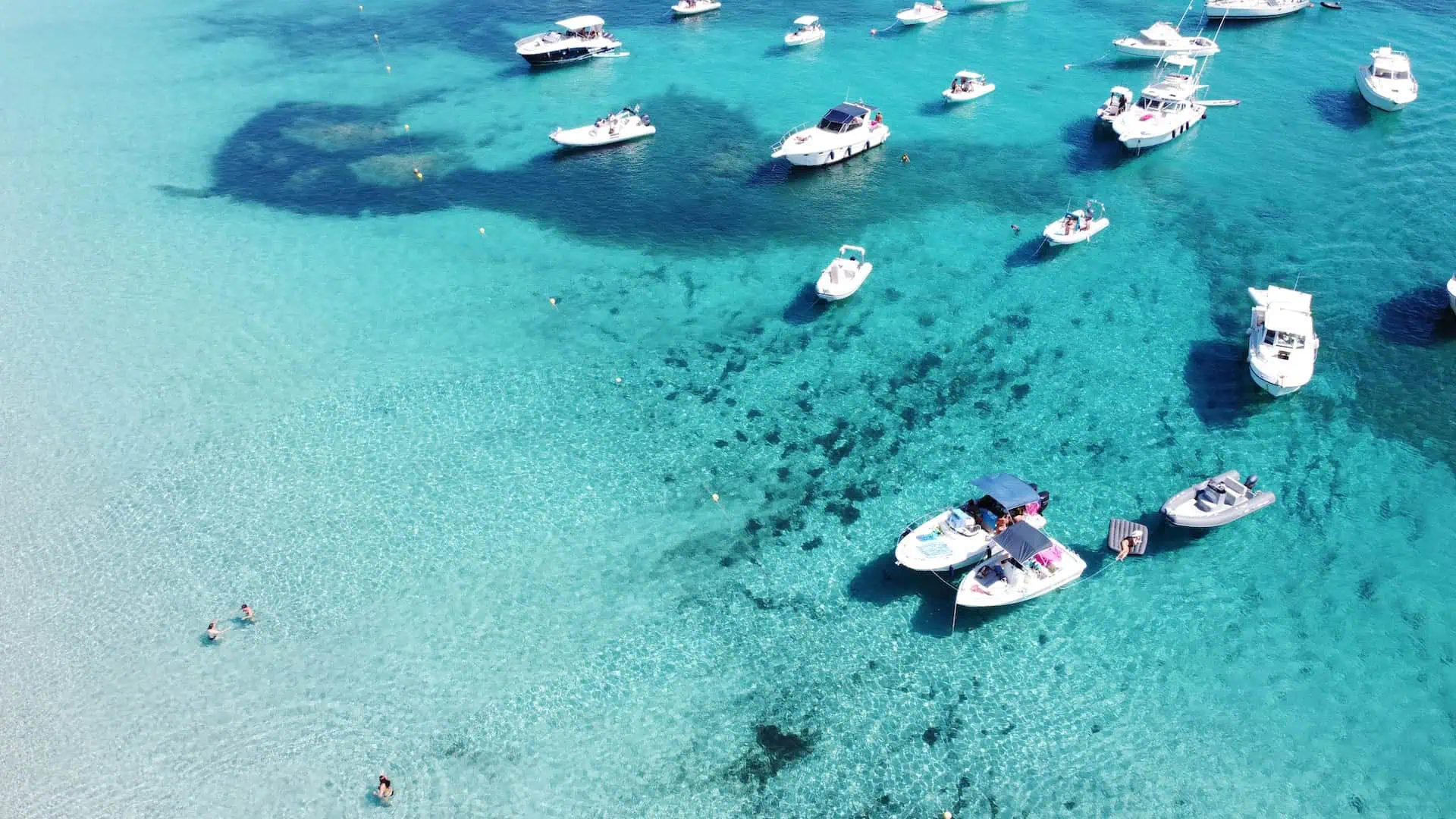
Reachable only by sea, it is one of the main stops on our boat excursions, where you’ll have time to swim, walk along the shore and take in the island at your own pace.

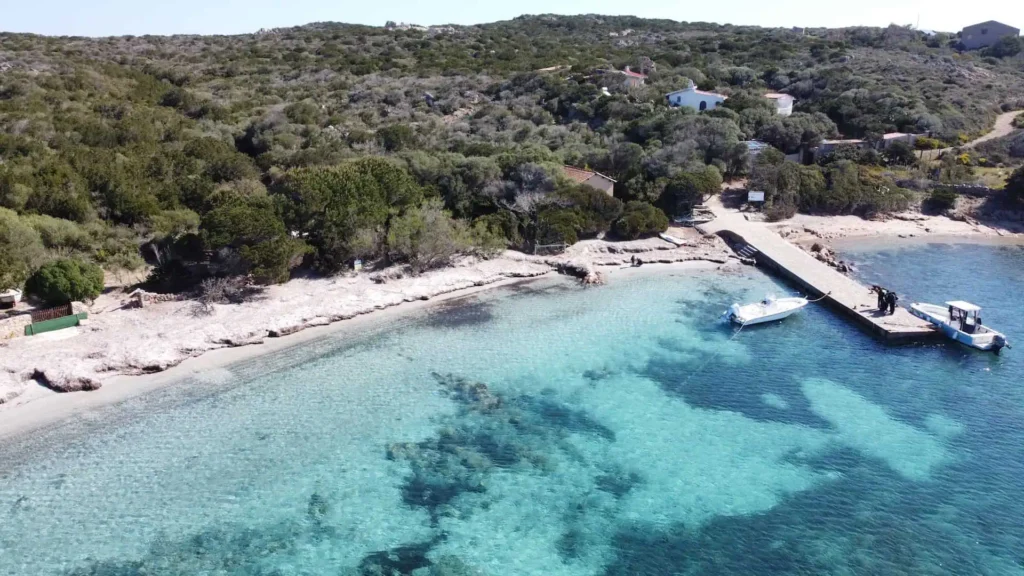
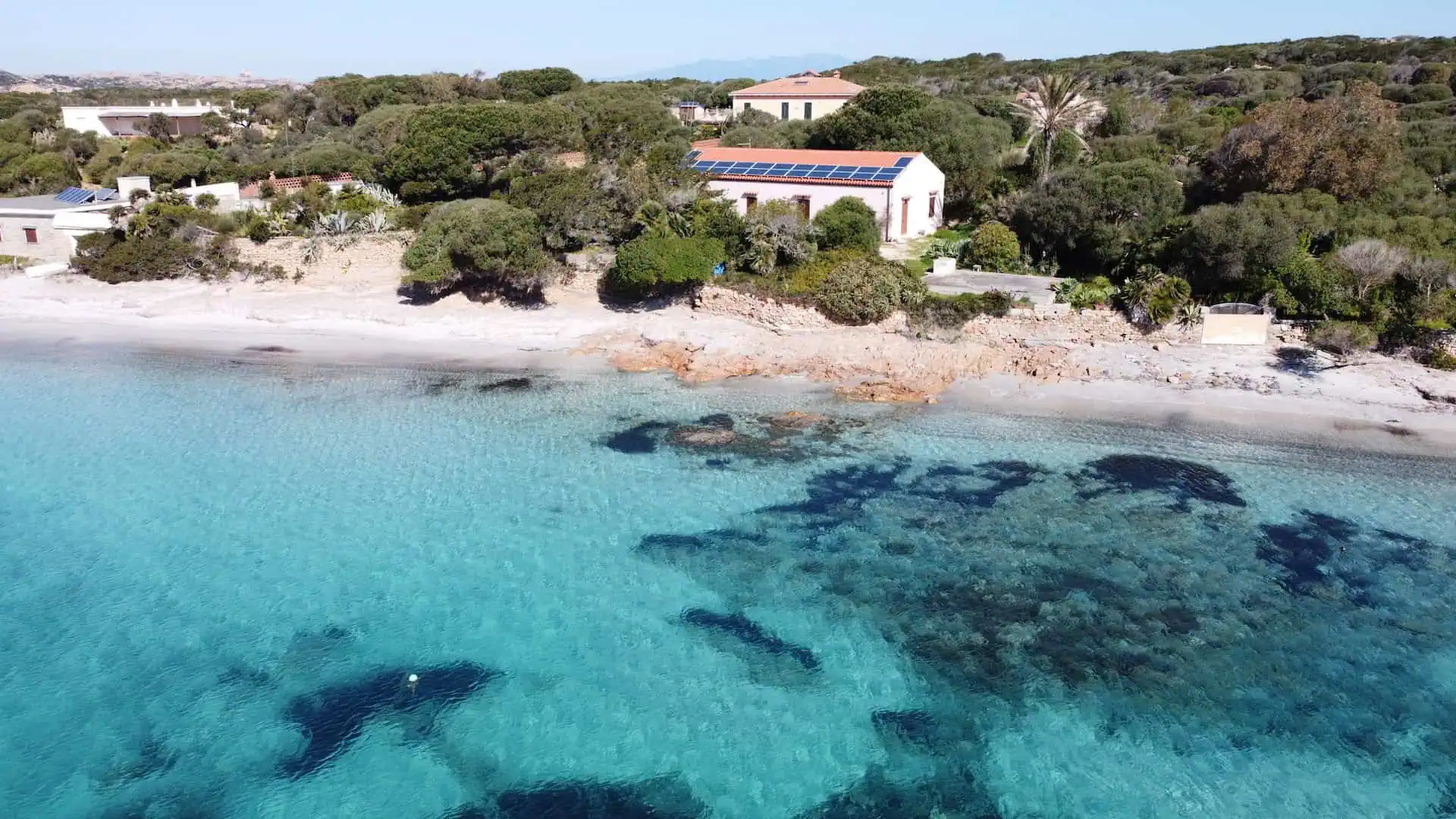
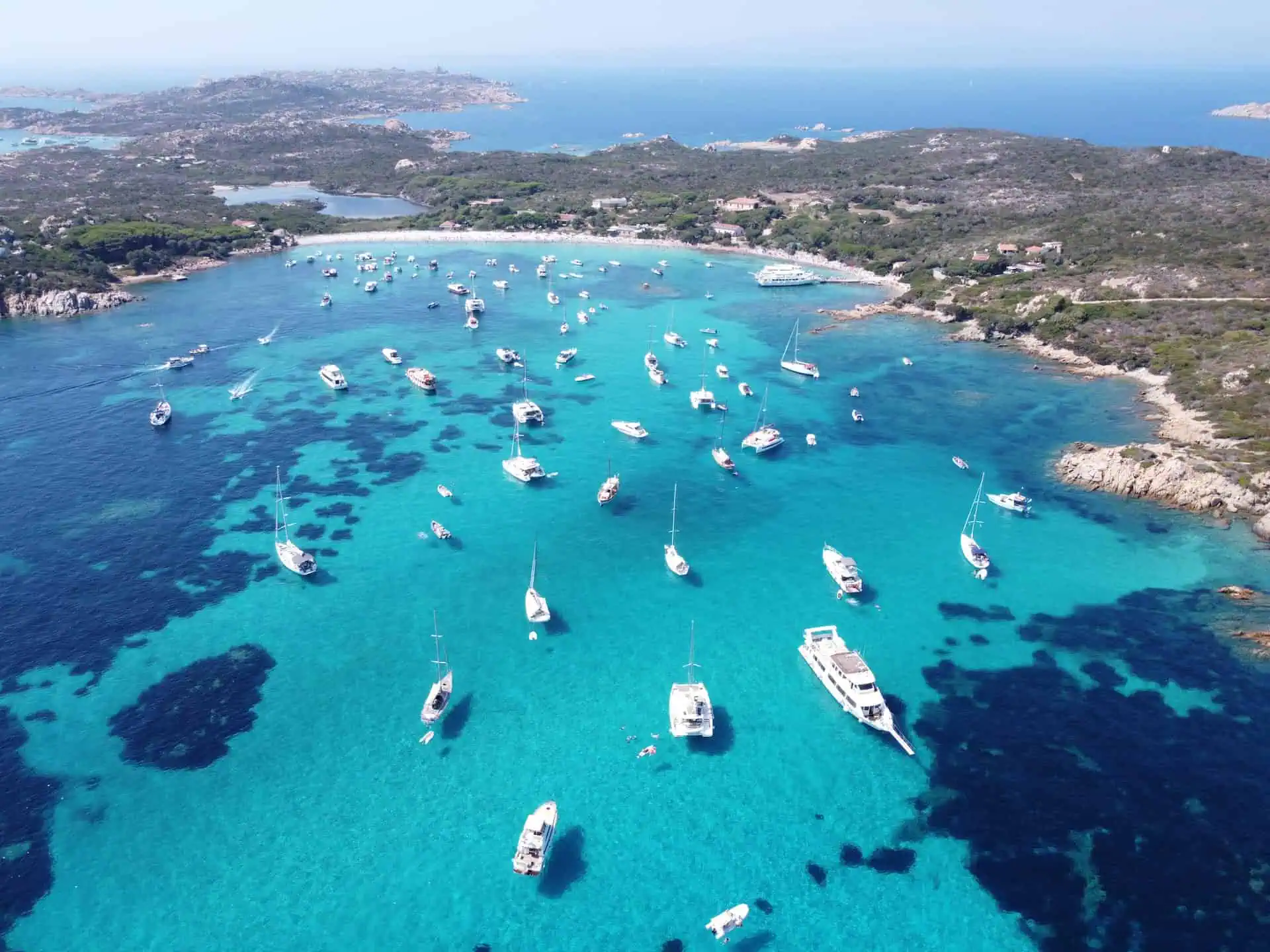
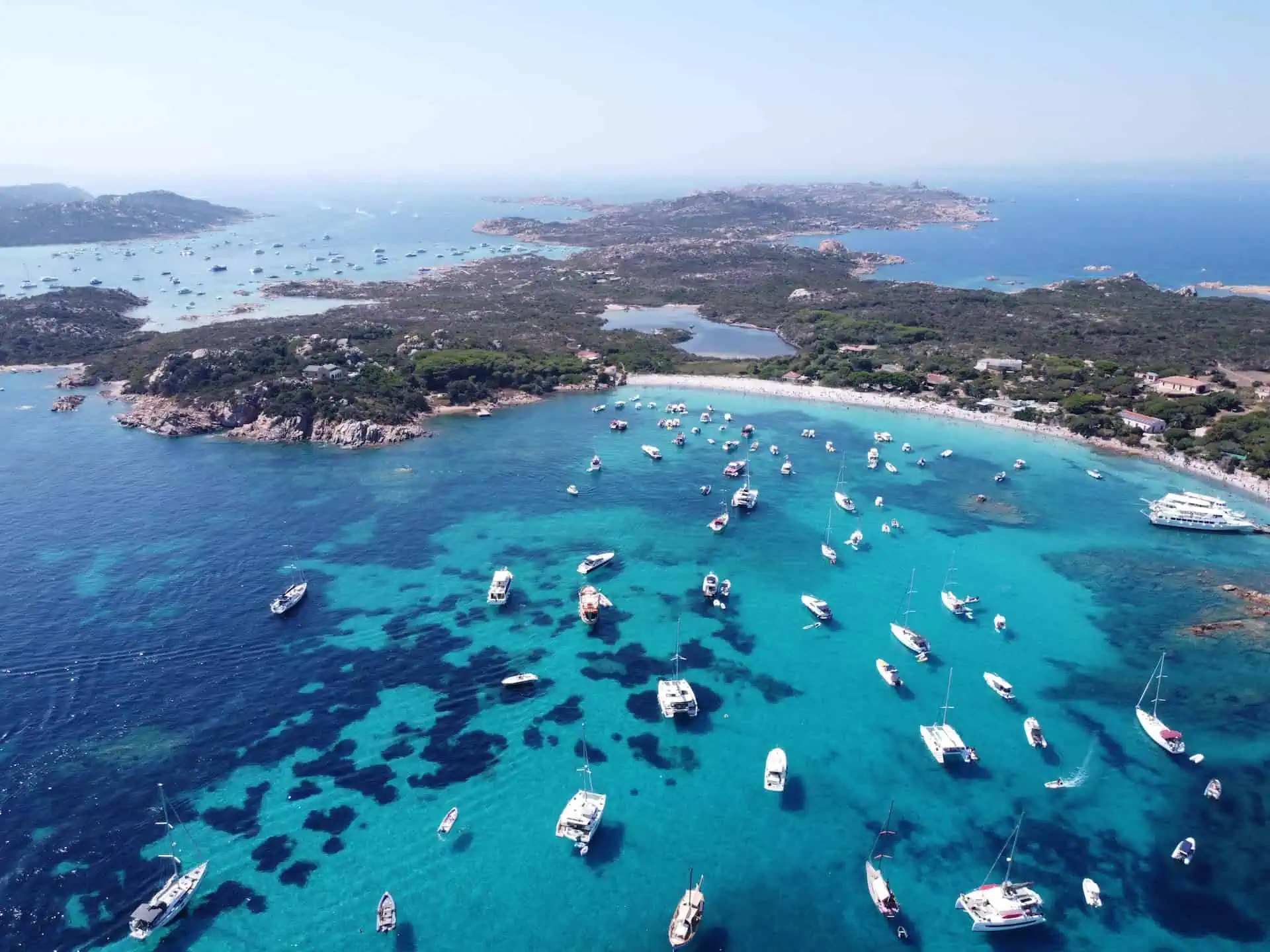
A breathtaking aerial shot of a pristine white sand beach, turquoise waters, and anchored boats near a lush coastal landscape.
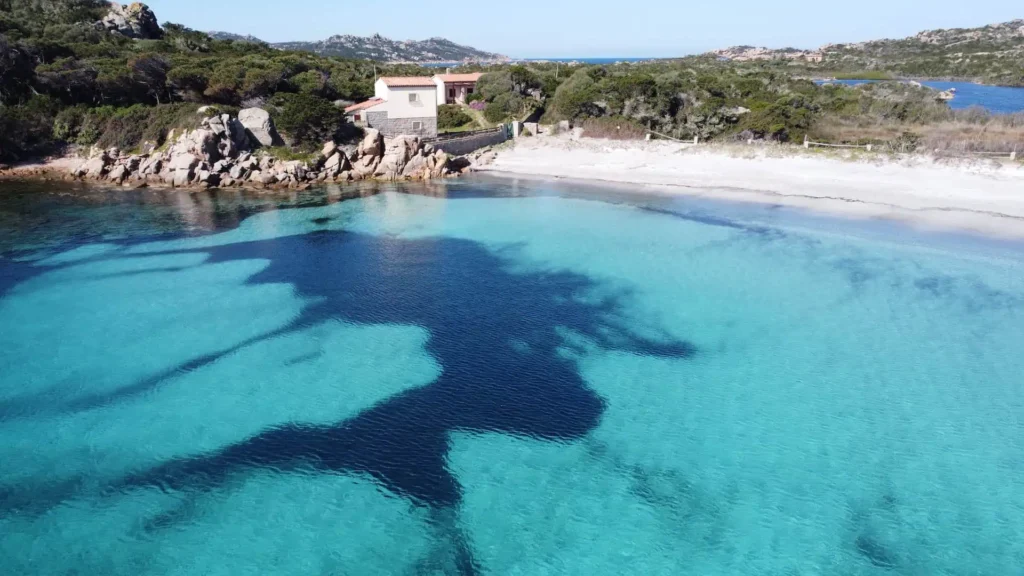
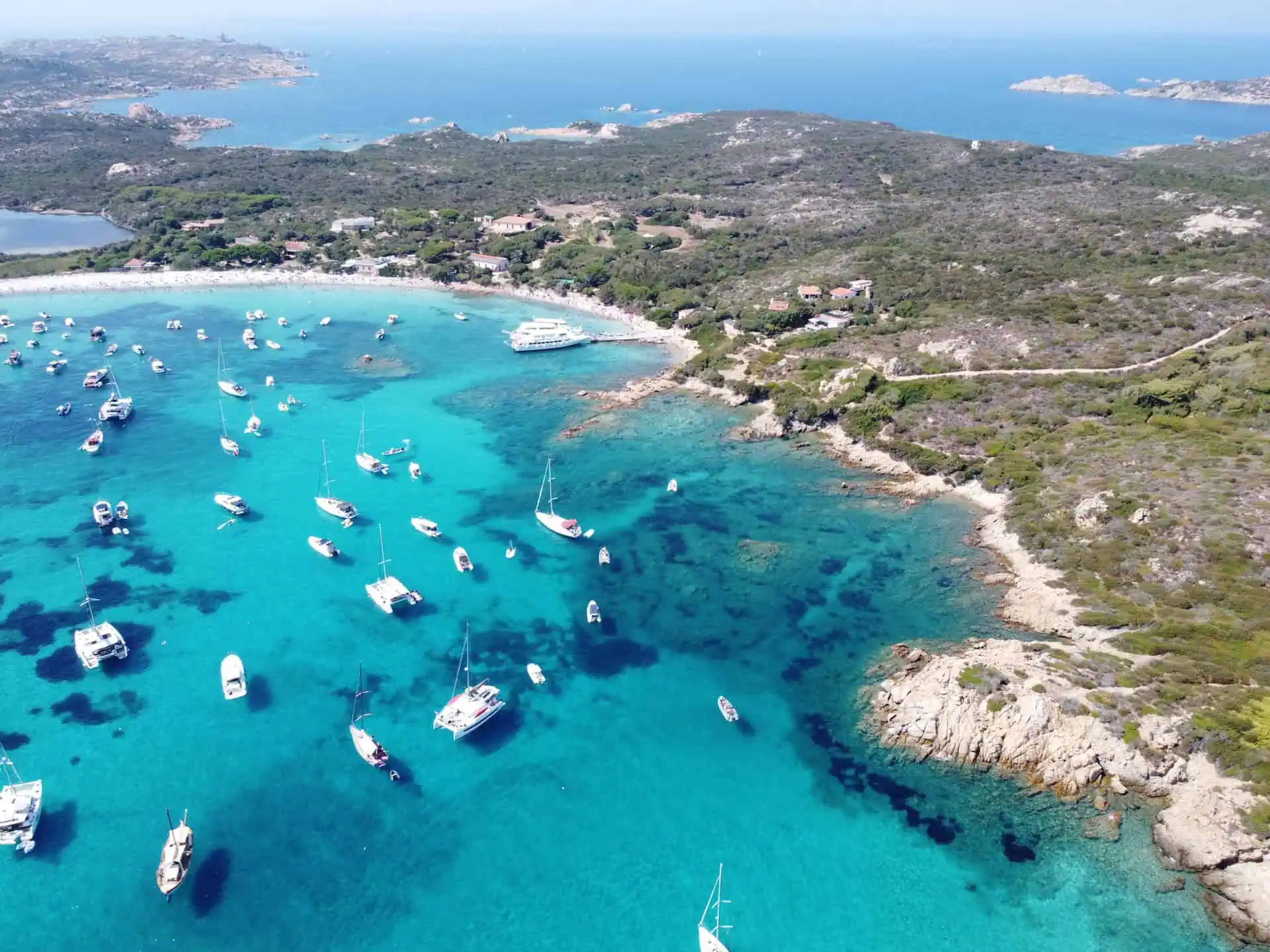
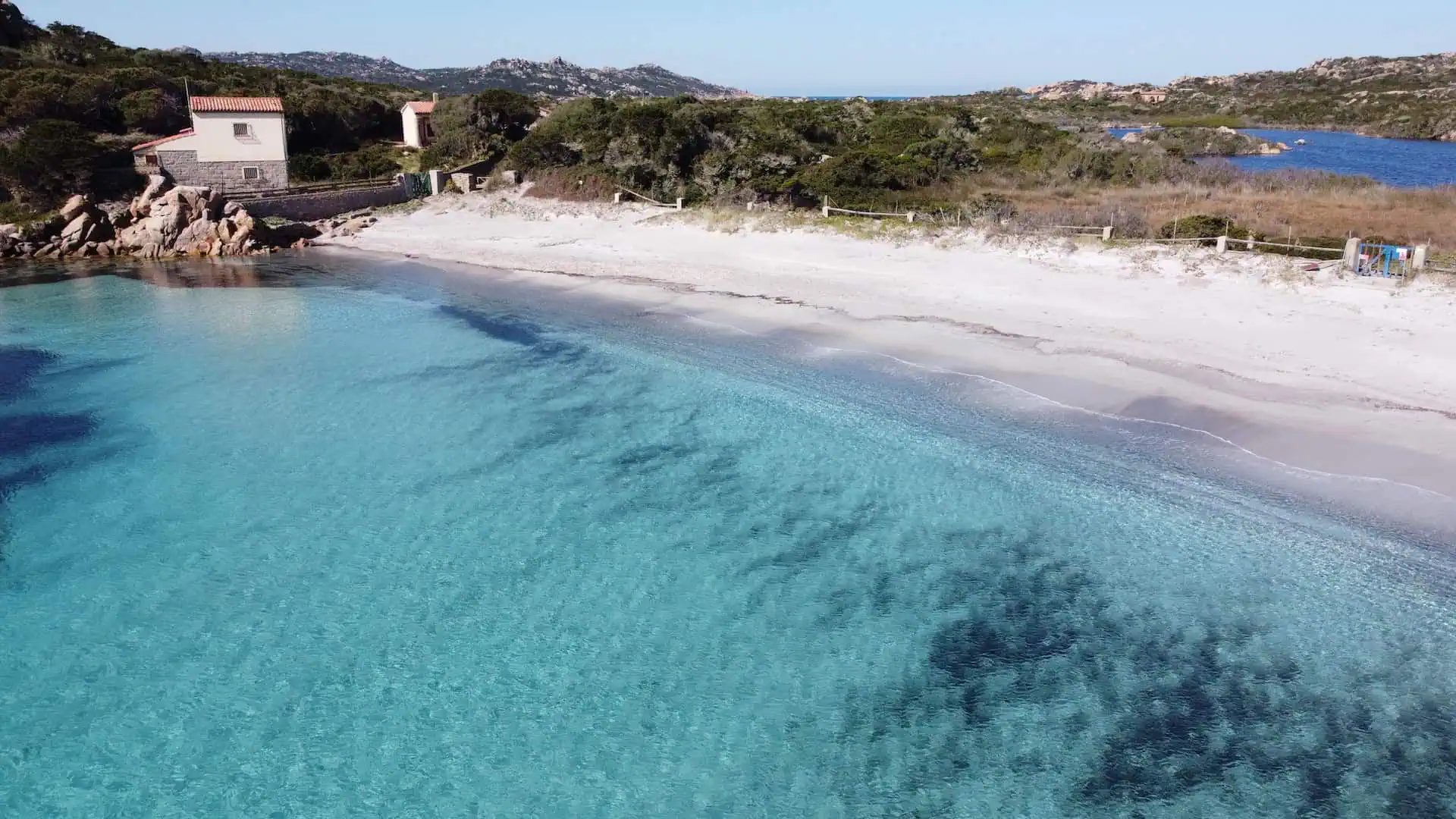
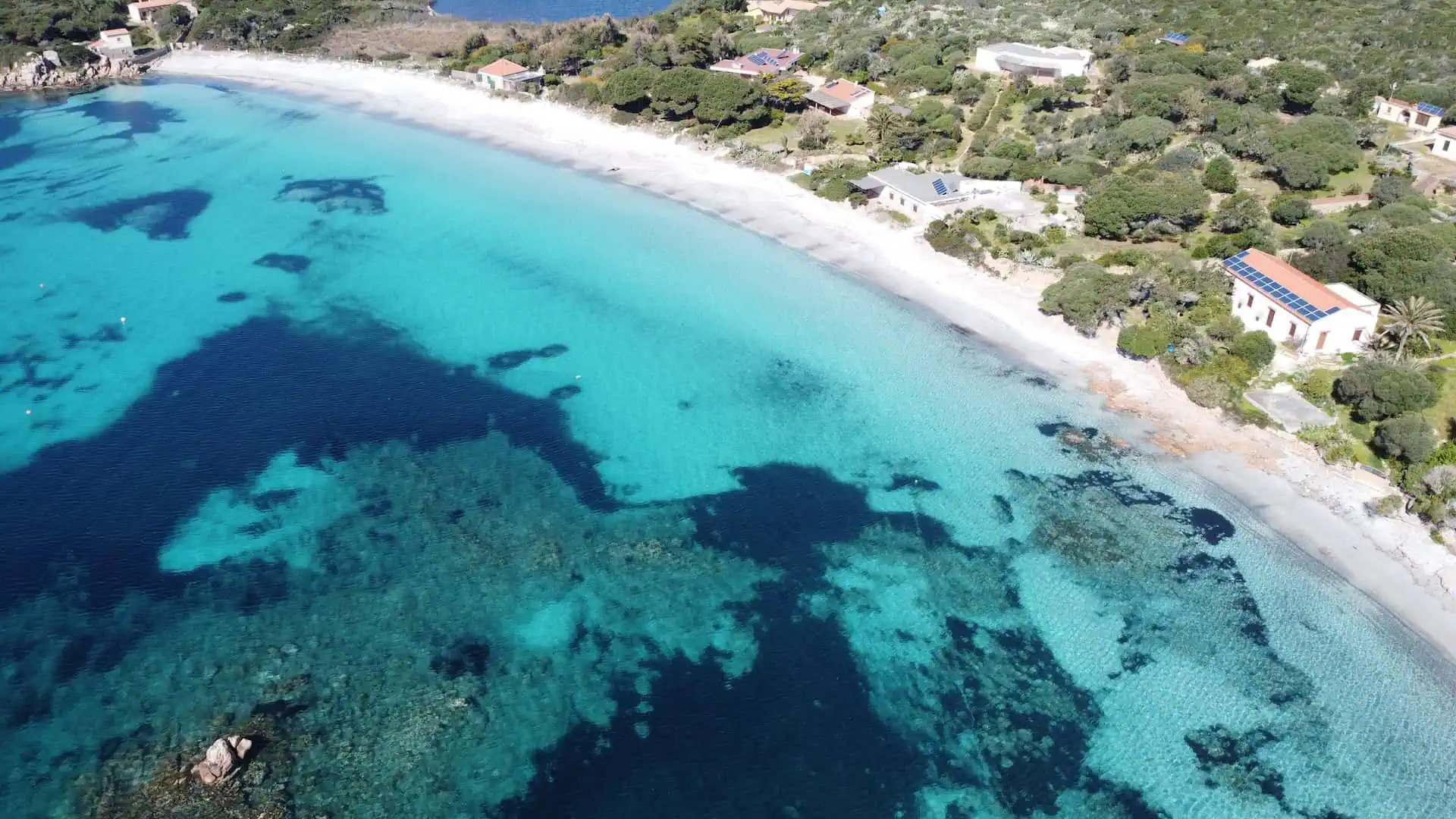
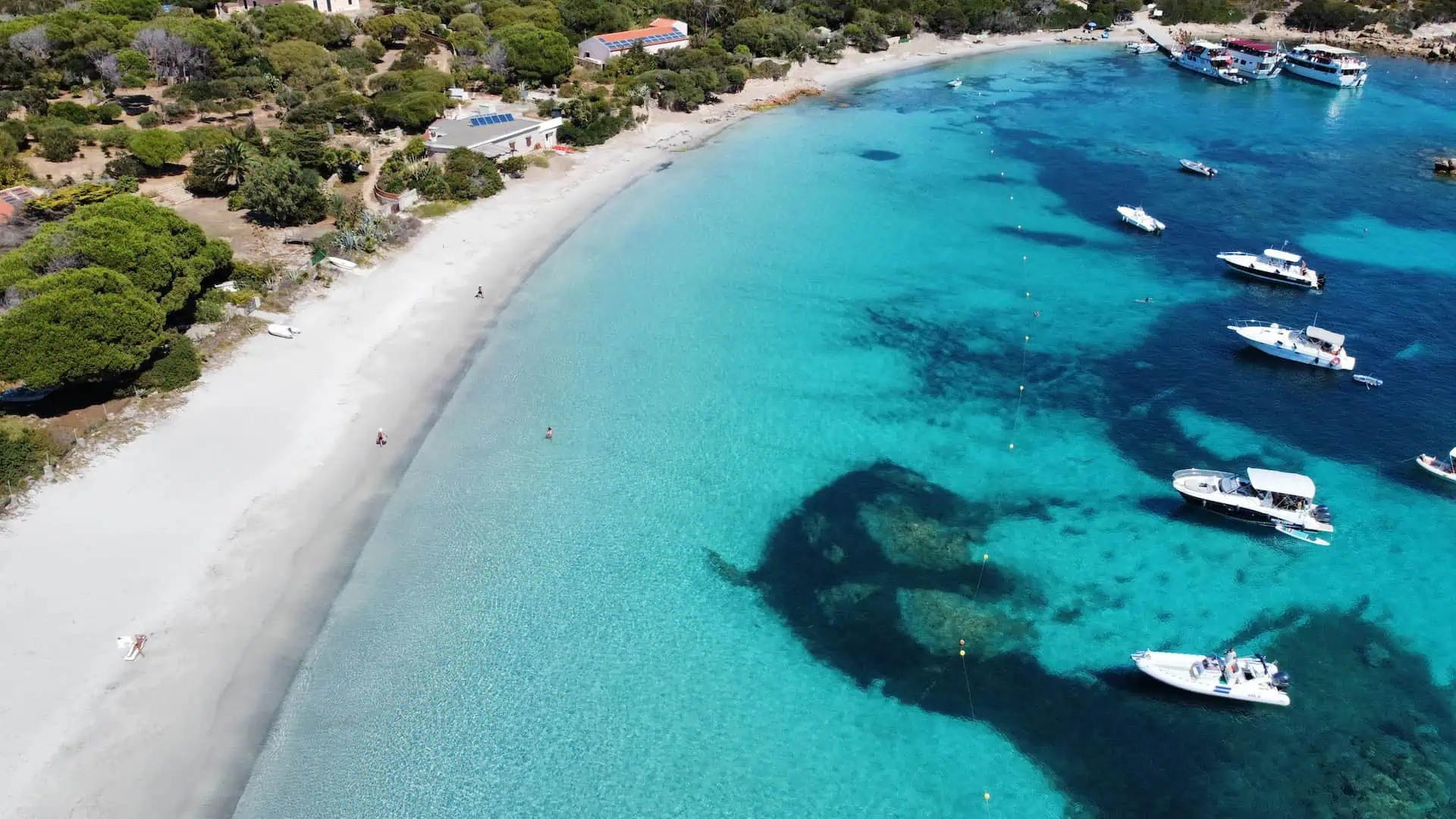
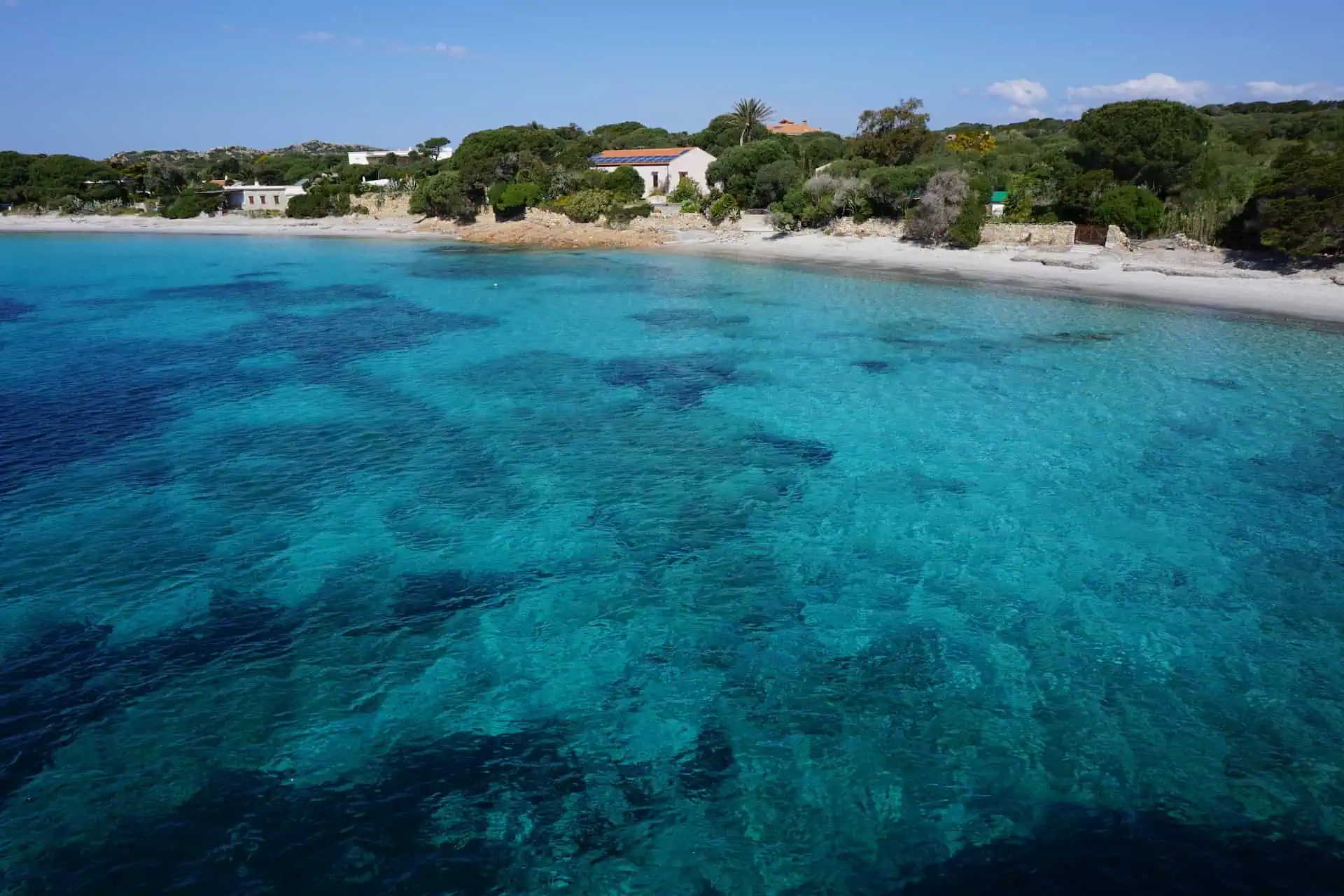
Aerial view of a secluded beach with vibrant blue waters, lush greenery, and a few houses near the shore.

Nature and marine life on Santa Maria Island

Santa Maria is part of the National Park of the La Maddalena Archipelago. The shallow, clear waters of the Santa Maria beaches create natural passages such as the Passo degli Asinelli, where – at low tide – you can almost walk across to the neighbouring islands.

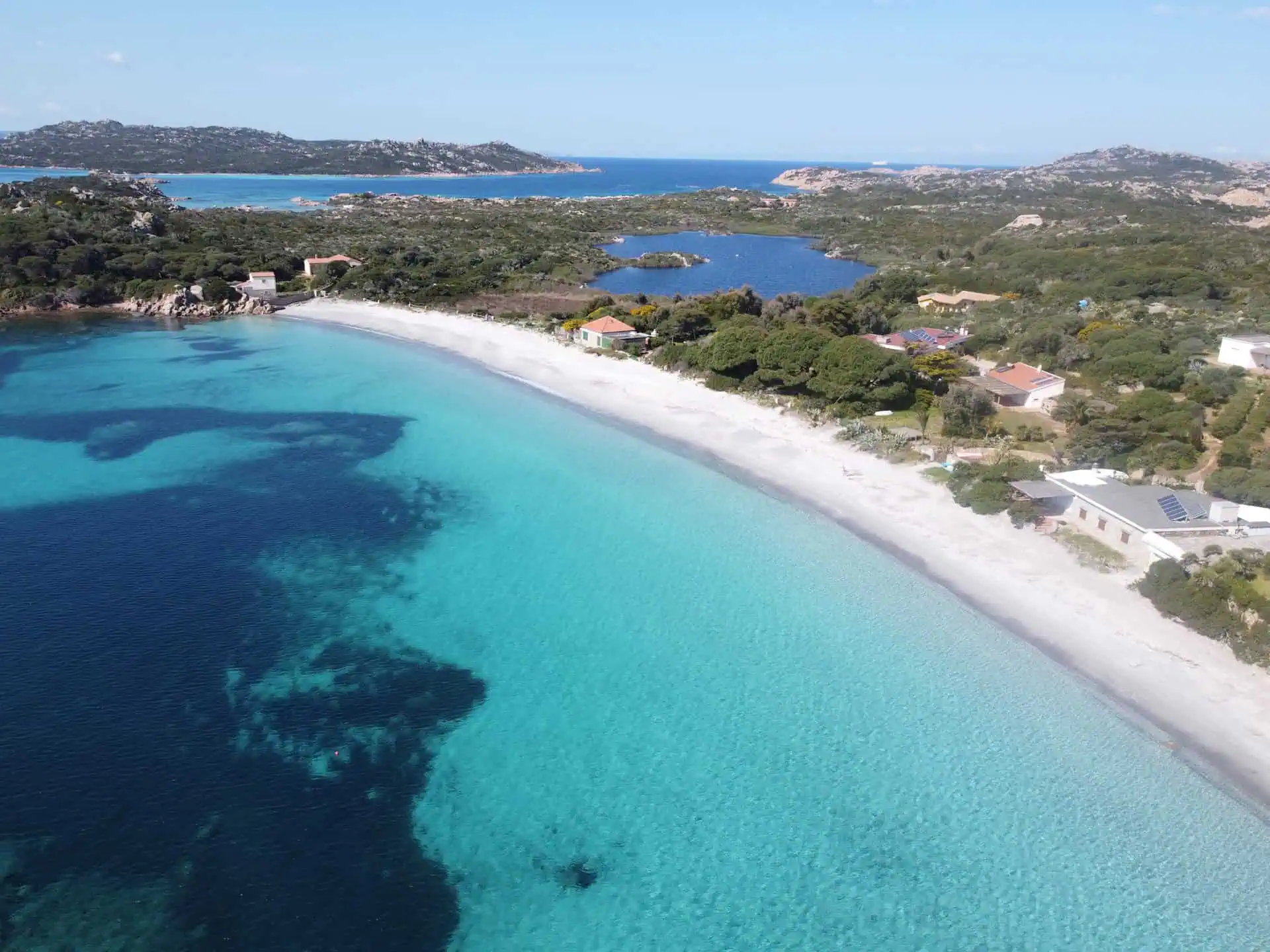
Behind Cala Santa Maria lies the Palude, a saltwater lagoon where ducks, moorhens and other species rarely seen elsewhere in the Archipelago make their home.

Why Santa Maria is an island worth your time

The appeal of the island goes well beyond its white beaches. Santa Maria has a history, a wildlife and a landscape that set it apart from every other island in the Archipelago. In just 2 square kilometres, it offers far more than you might expect to those who take the time to look.

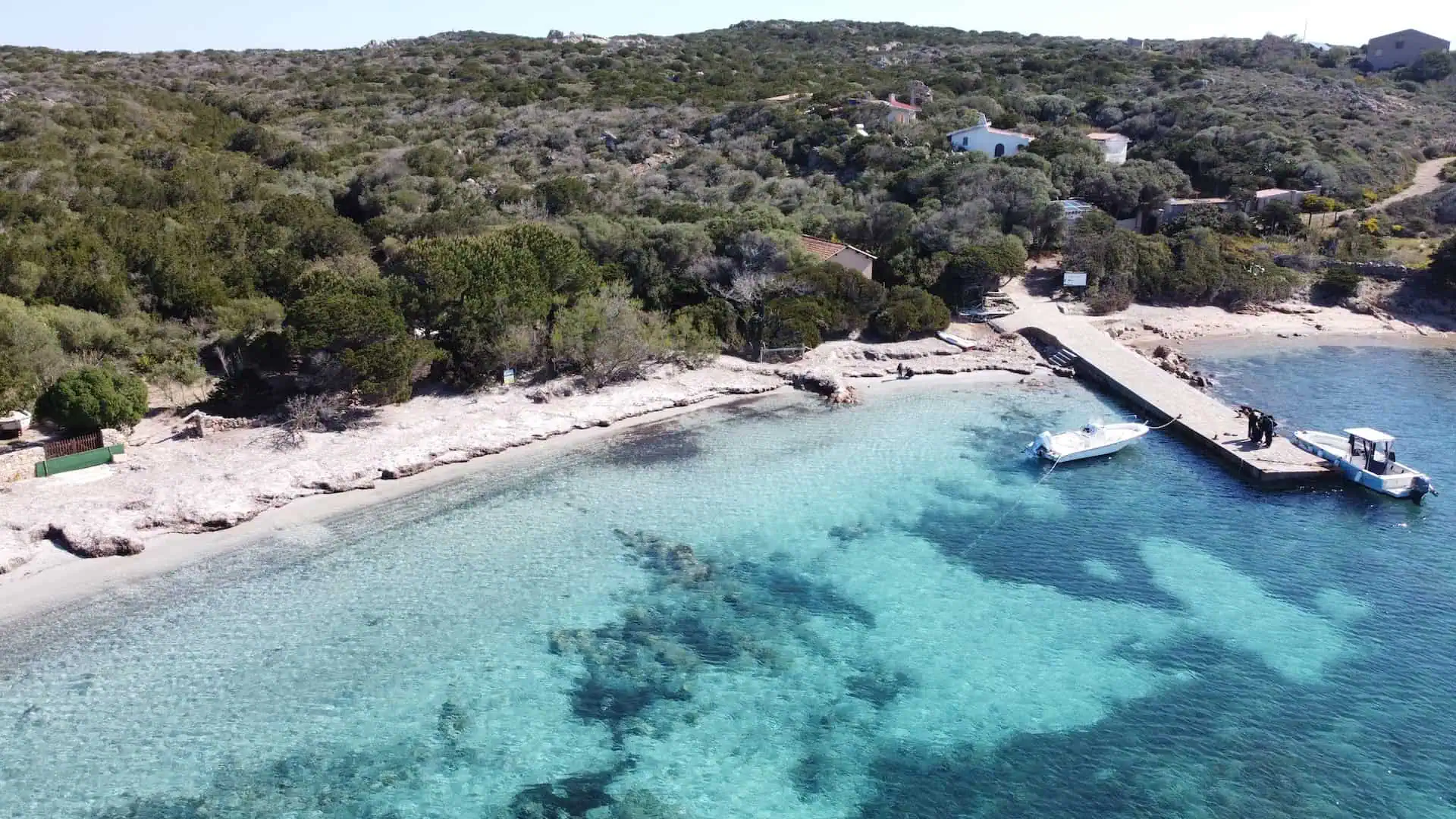
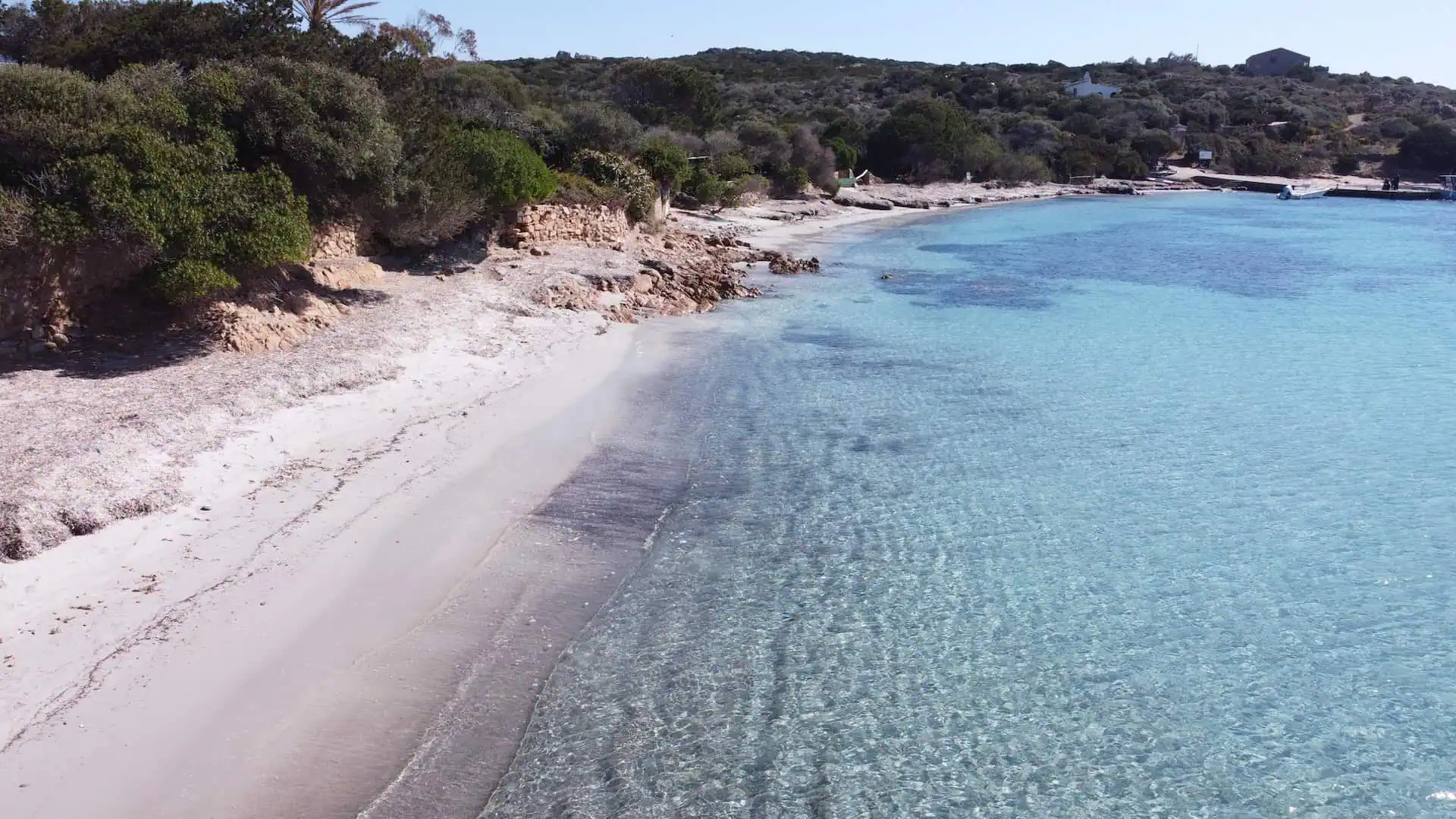
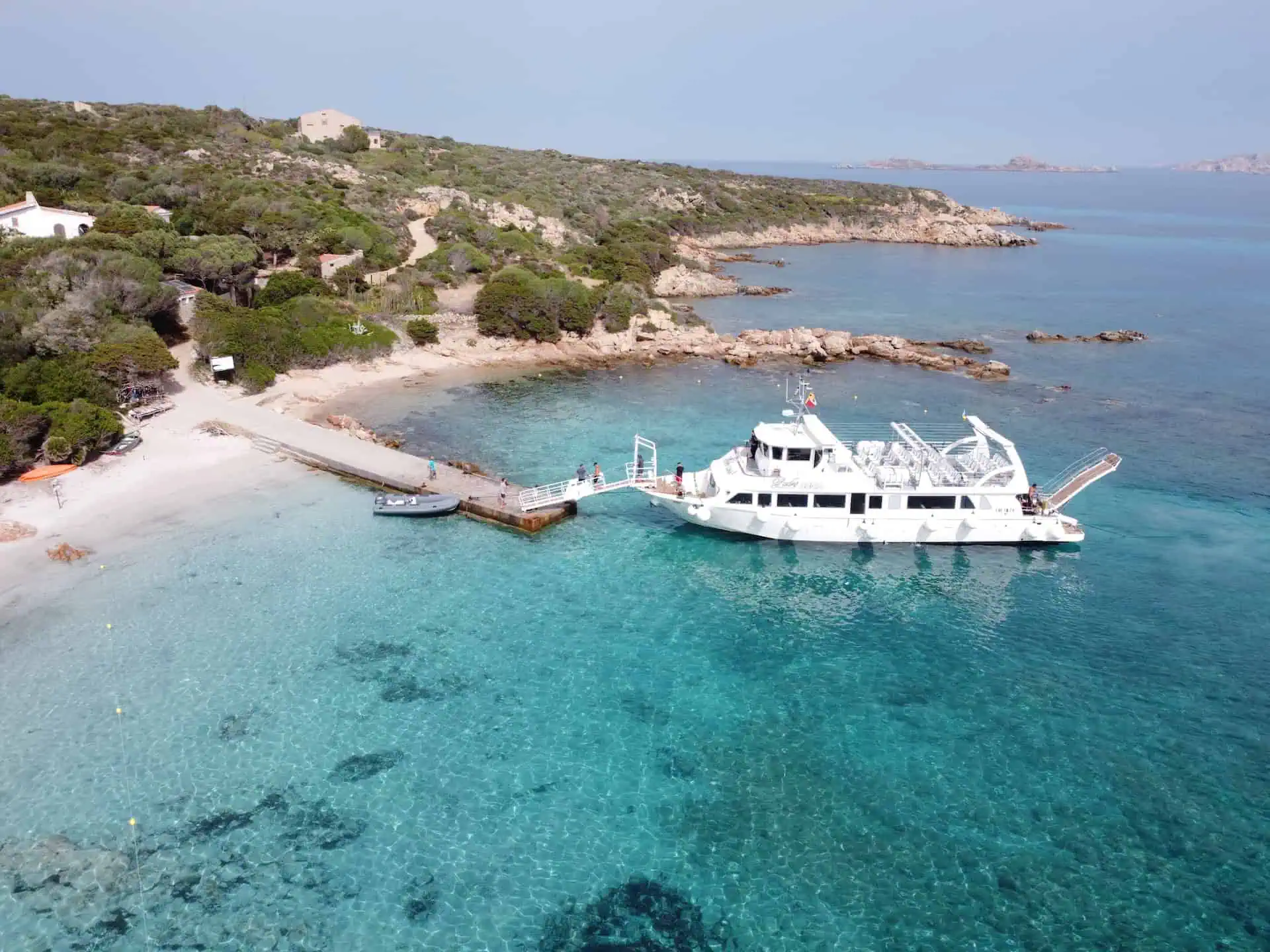
A secluded beach with a wooden pier extending into shallow blue waters, framed by dense green vegetation.

Walking trails

Inland paths wind through Mediterranean scrub, leading up to the island's highest viewpoints and out over the surrounding islets.

Aerial view of a secluded beach with vibrant blue waters, lush greenery, and a few houses near the shore.

Historic ruins

Like the remains of a 13th-century Benedictine monastery and the Chiesa dell'Assunta, which still hosts a small celebration every 15 August.

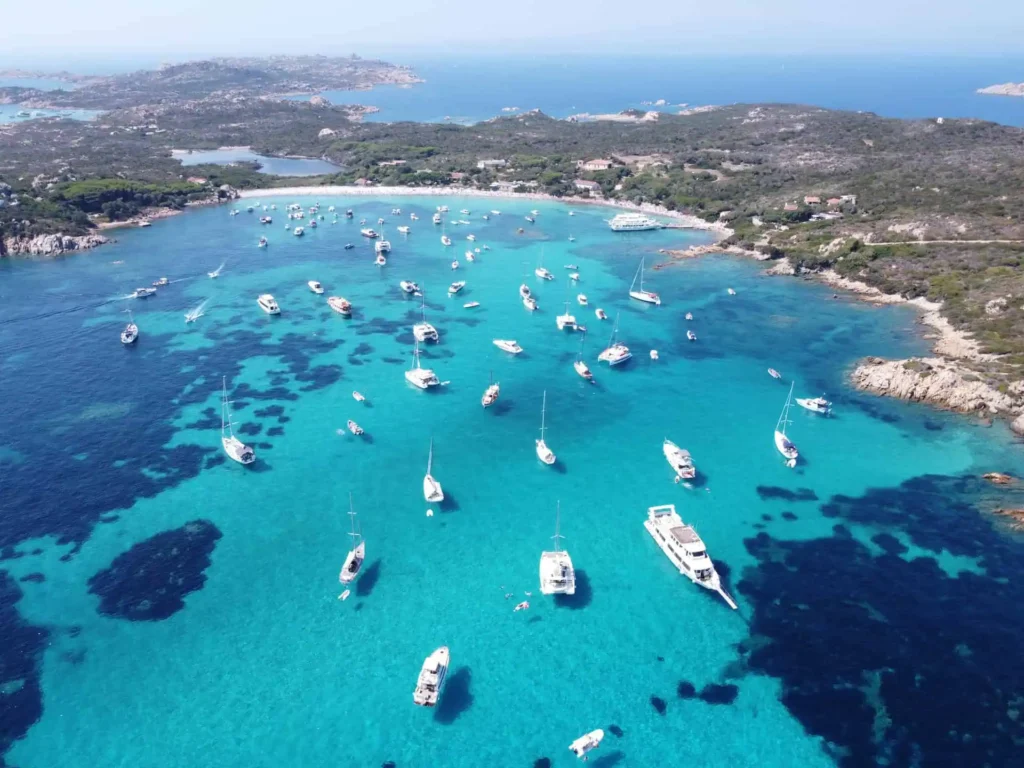
A stunning aerial view of a turquoise bay dotted with boats, surrounded by lush islands and crystal-clear waters.

Punta Filetto lighthouse

Follow the paths to the northern tip of the island and you reach the Punta Filetto lighthouse, with open-sea views that stretch as far as the eye can go.

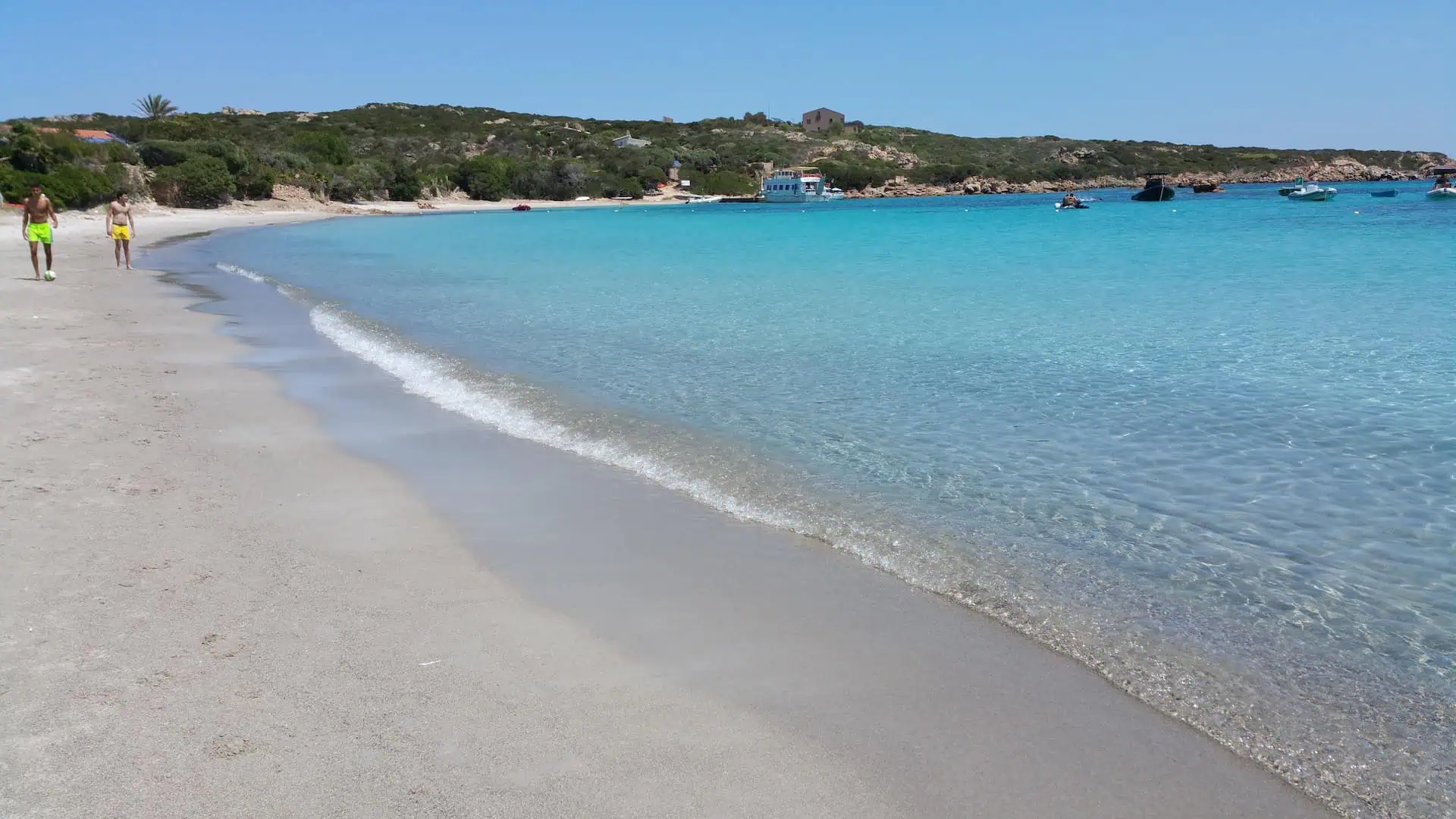
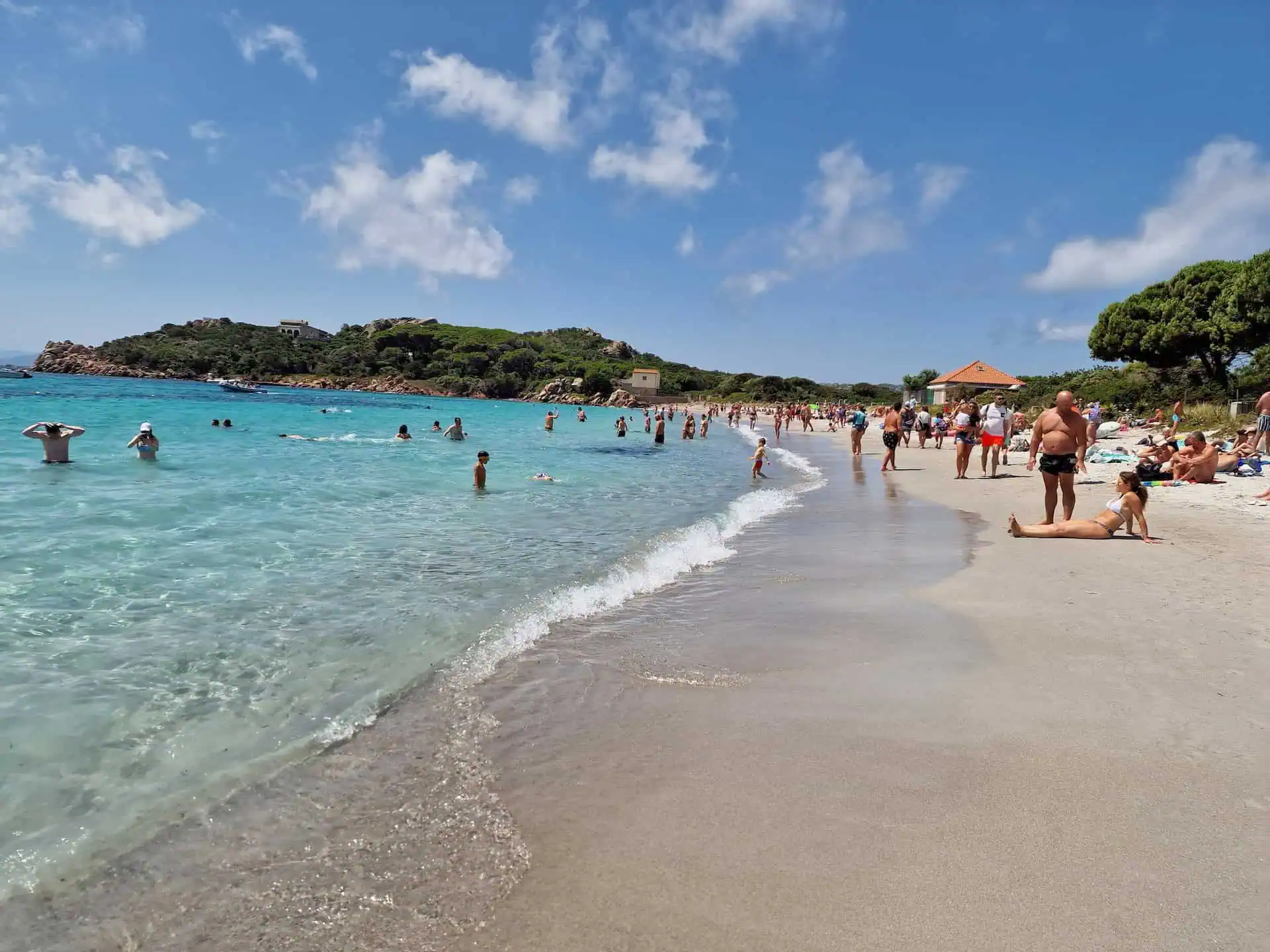
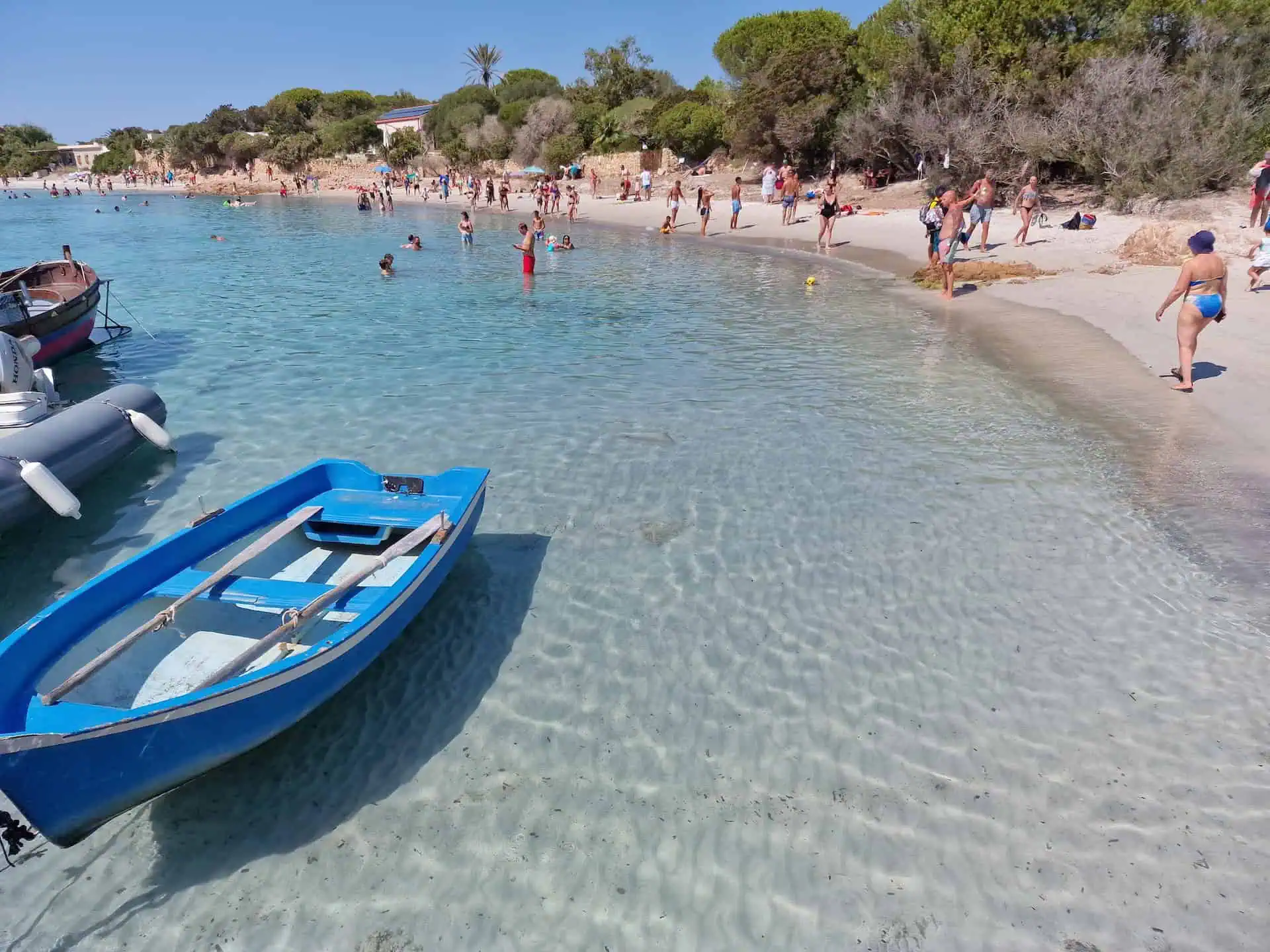
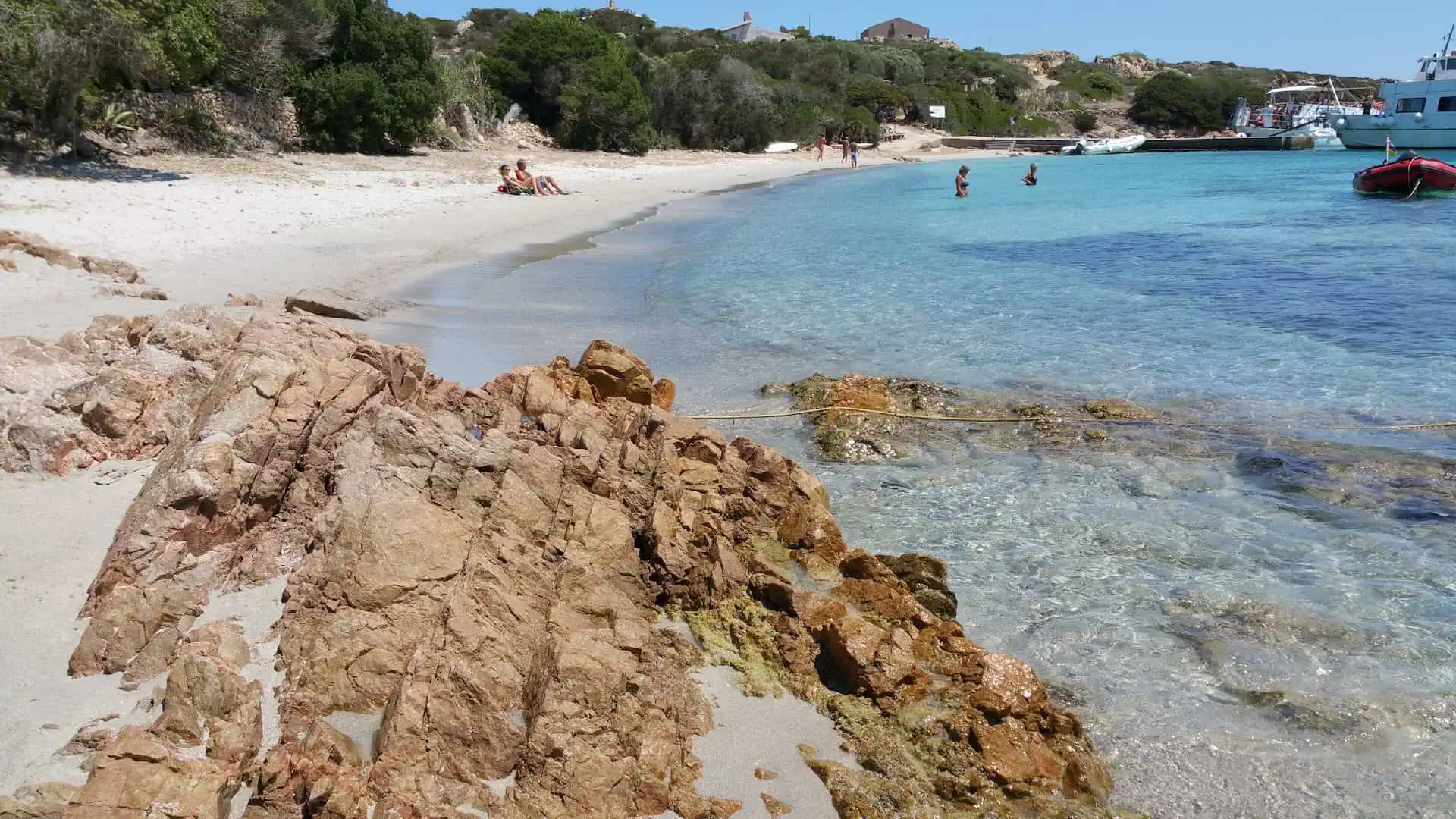
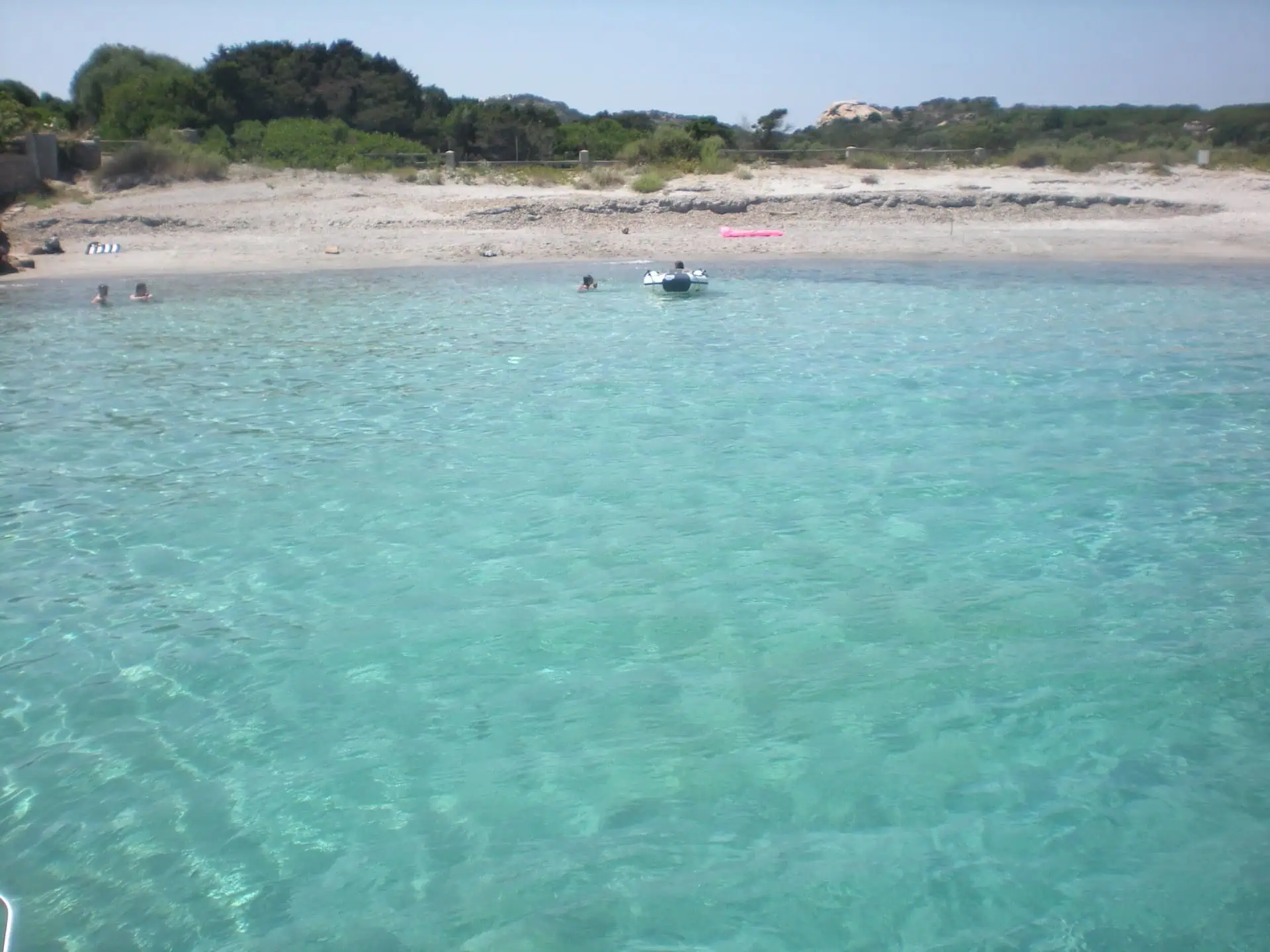
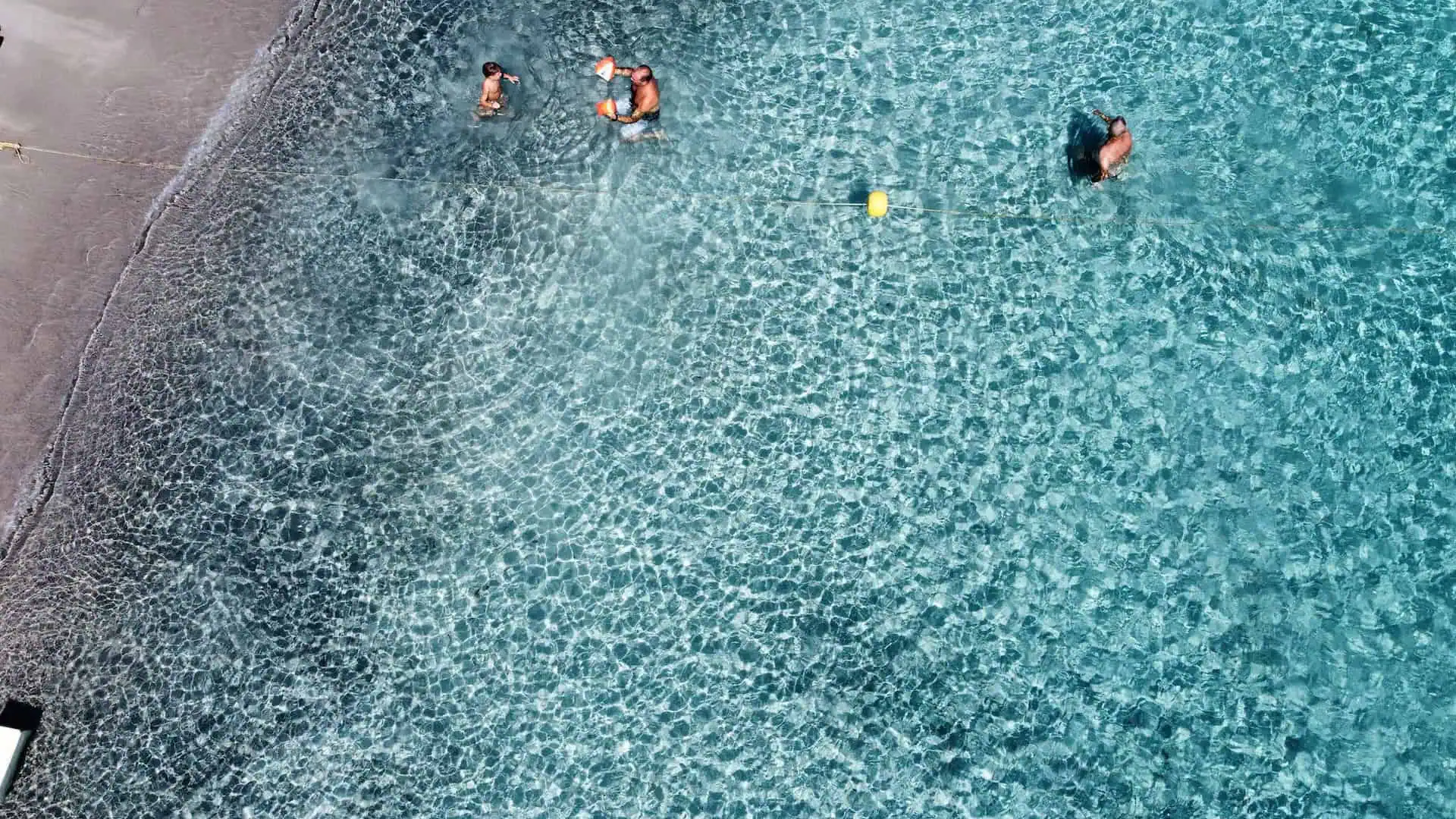
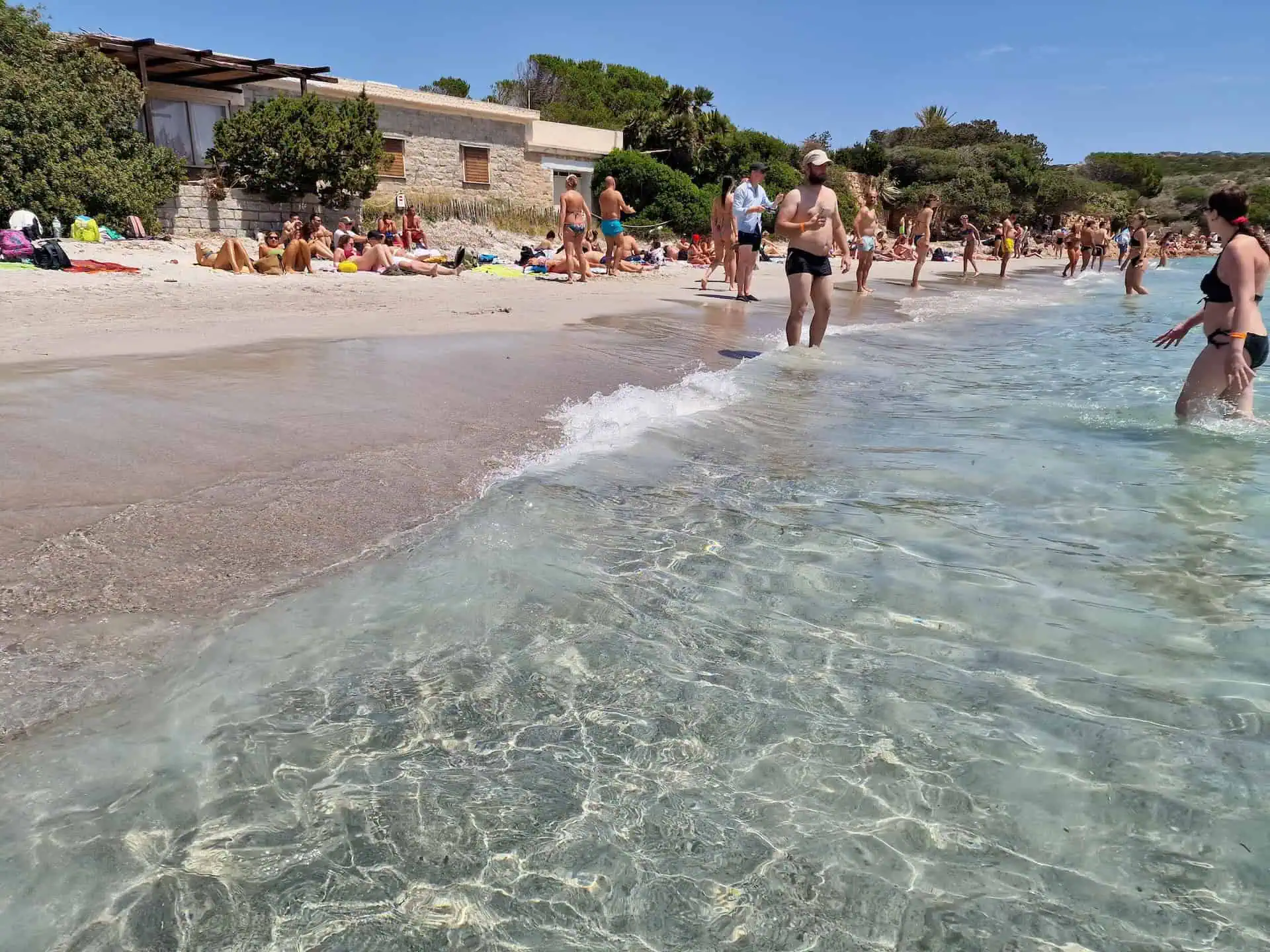
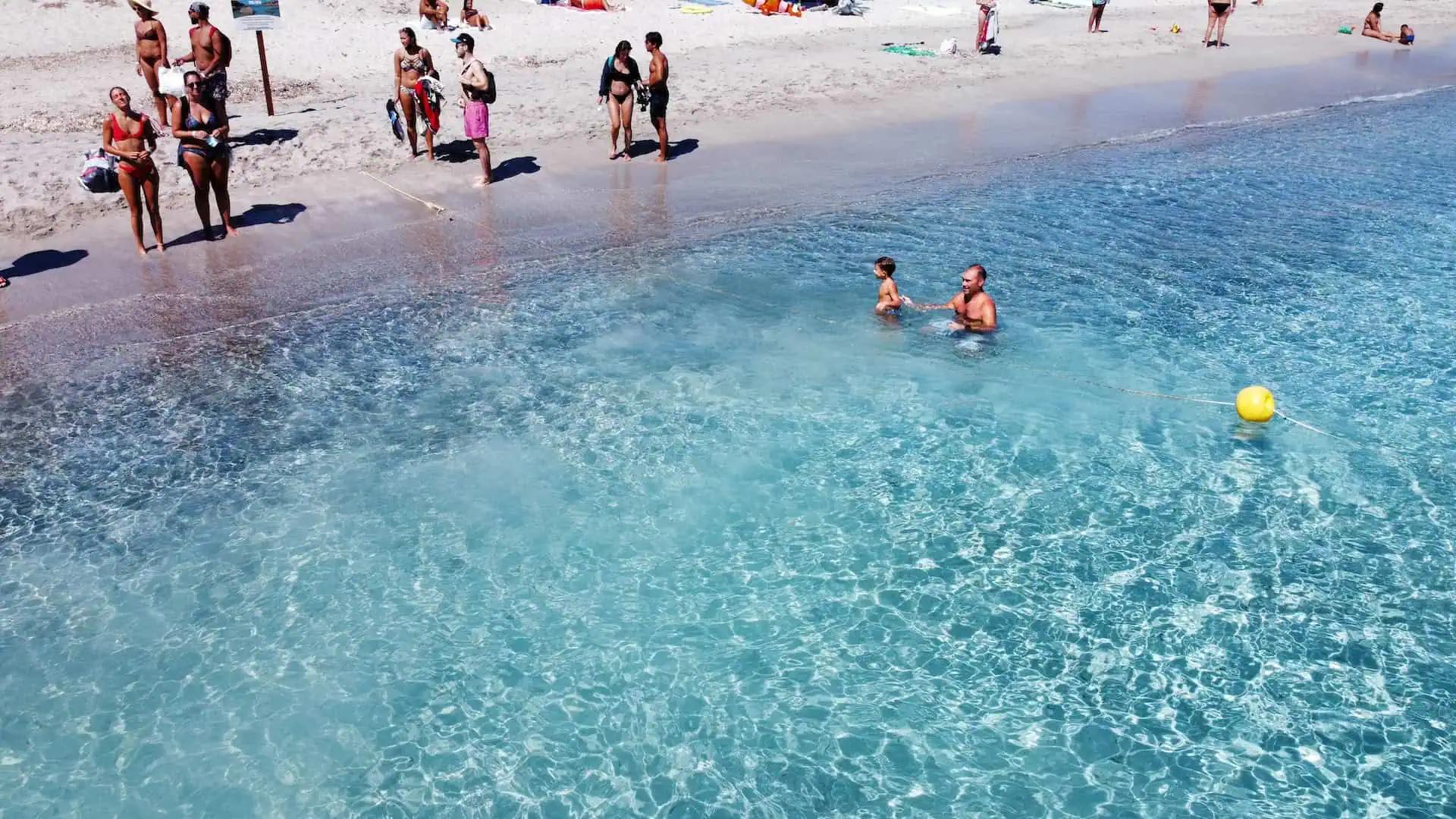
A vibrant coastal scene with a small blue rowboat floating on clear, shallow water near the shore. People are seen swimming and wading in the water, while others relax on the sandy beach, surrounded by lush greenery.

Coves, viewpoints and hidden corners of the island

More than 10 kilometres of flat coastline conceal coves that shift in character from one bay to the next.

Among the largest beaches on Santa Maria Island are Cala di Fosso and Cala Santa Maria, the island’s main bay, where most boats drop anchor. Here you’ll find soft sand and natural vegetation that frames the Sardinian sea on all sides.

For a panoramic view from 49 metres up, Guardia del Turco is the island’s highest point, with sweeping views over the northern coast of the Archipelago, the Punta Filetto lighthouse and, on clear days, the outline of the neighbouring islands.

A place with centuries of history

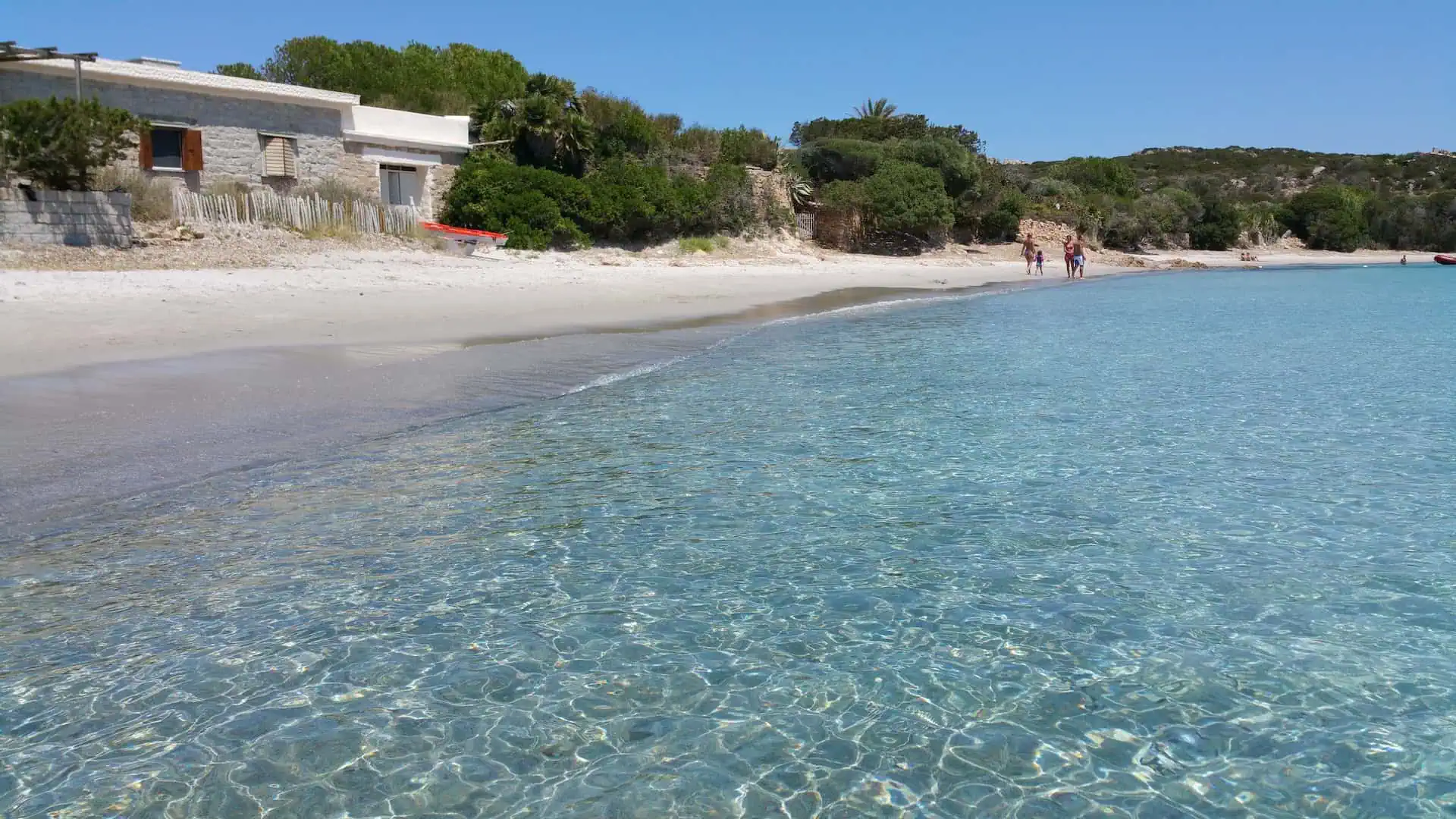
Back in the 13th century, Santa Maria Island was home to nothing but Benedictine monks. In time, the Bertoleoni family and a handful of Italian artists and writers fell for its beauty and solitude. Today the island has only a few private houses, among them the summer residence of Academy Award winner Roberto Benigni.
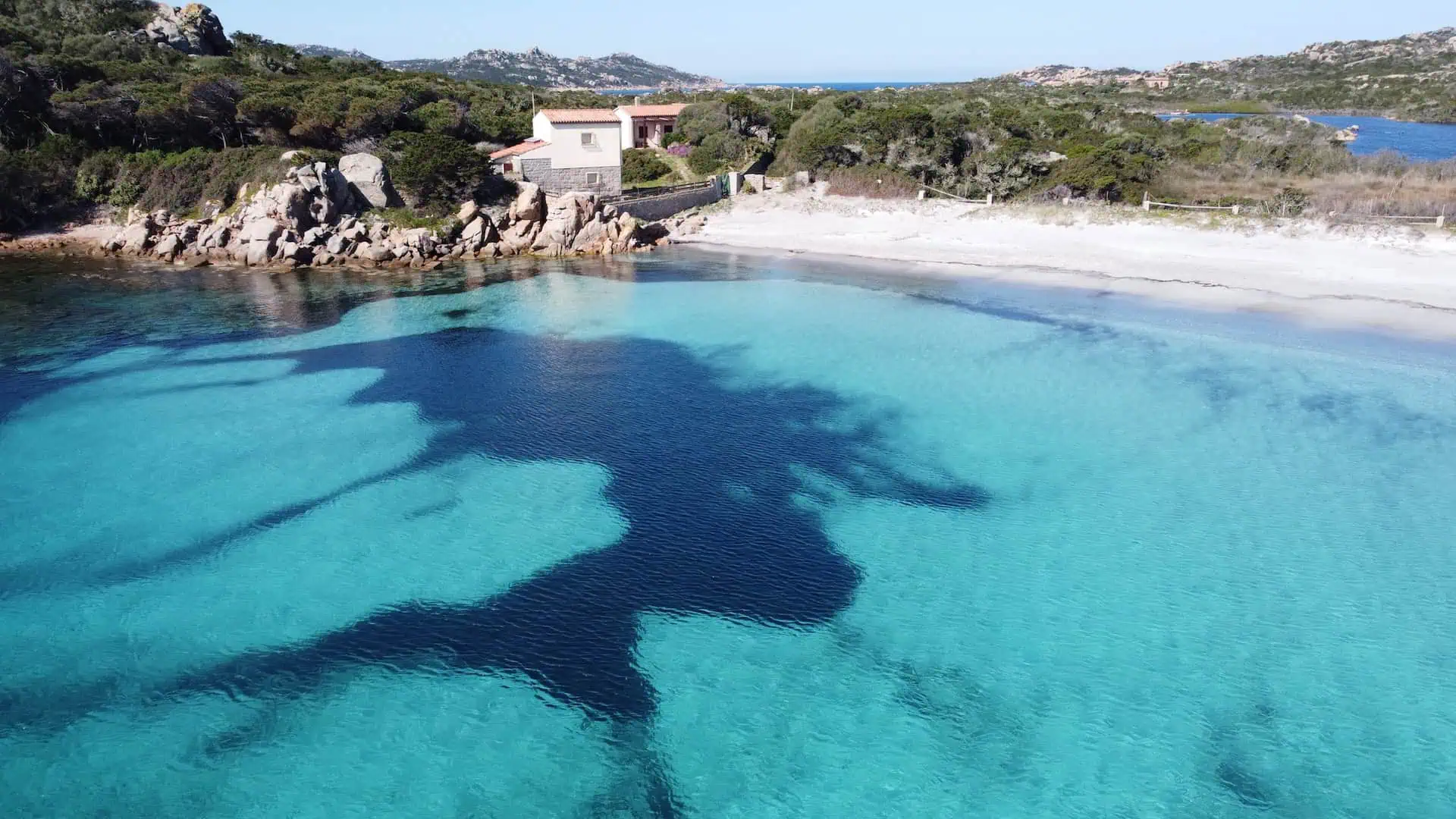
Aerial view of a secluded beach with vibrant blue waters, lush greenery, and a few houses near the shore.

Gallery

Explore Santa Maria Island aboard Lady Luna 3

There is only one way to reach Santa Maria and experience all of this: by sea. Join us on board Lady Luna 3 and let us take you there, as we have been doing for more than 30 years in the Archipelago.