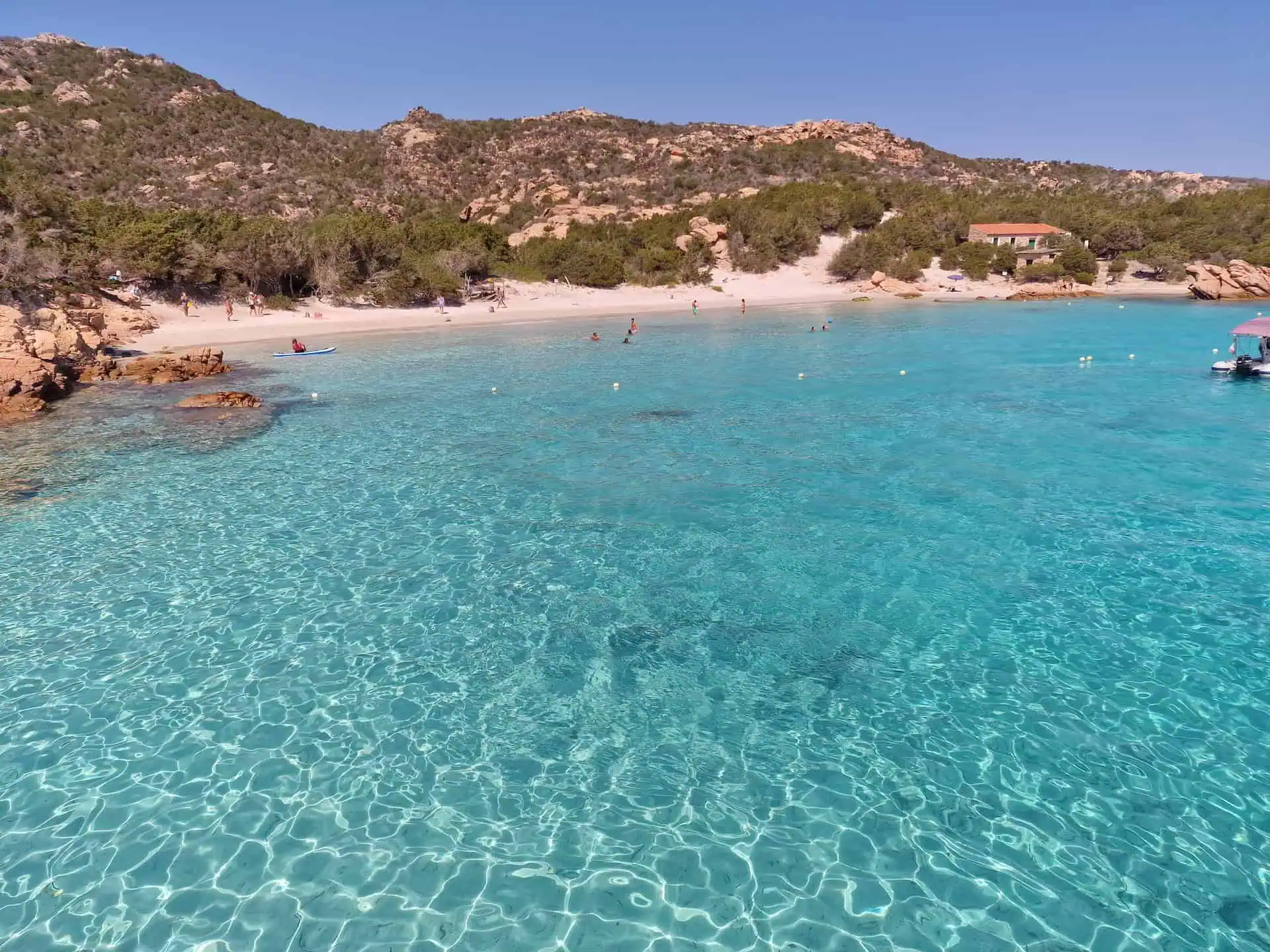
The third largest island in the La Maddalena Archipelago in Sardinia. Discover Cala Corsara, Cala Granara and the granite rocks that tell two thousand years of history.
Granite and Mediterranean scrub into the wild Spargi
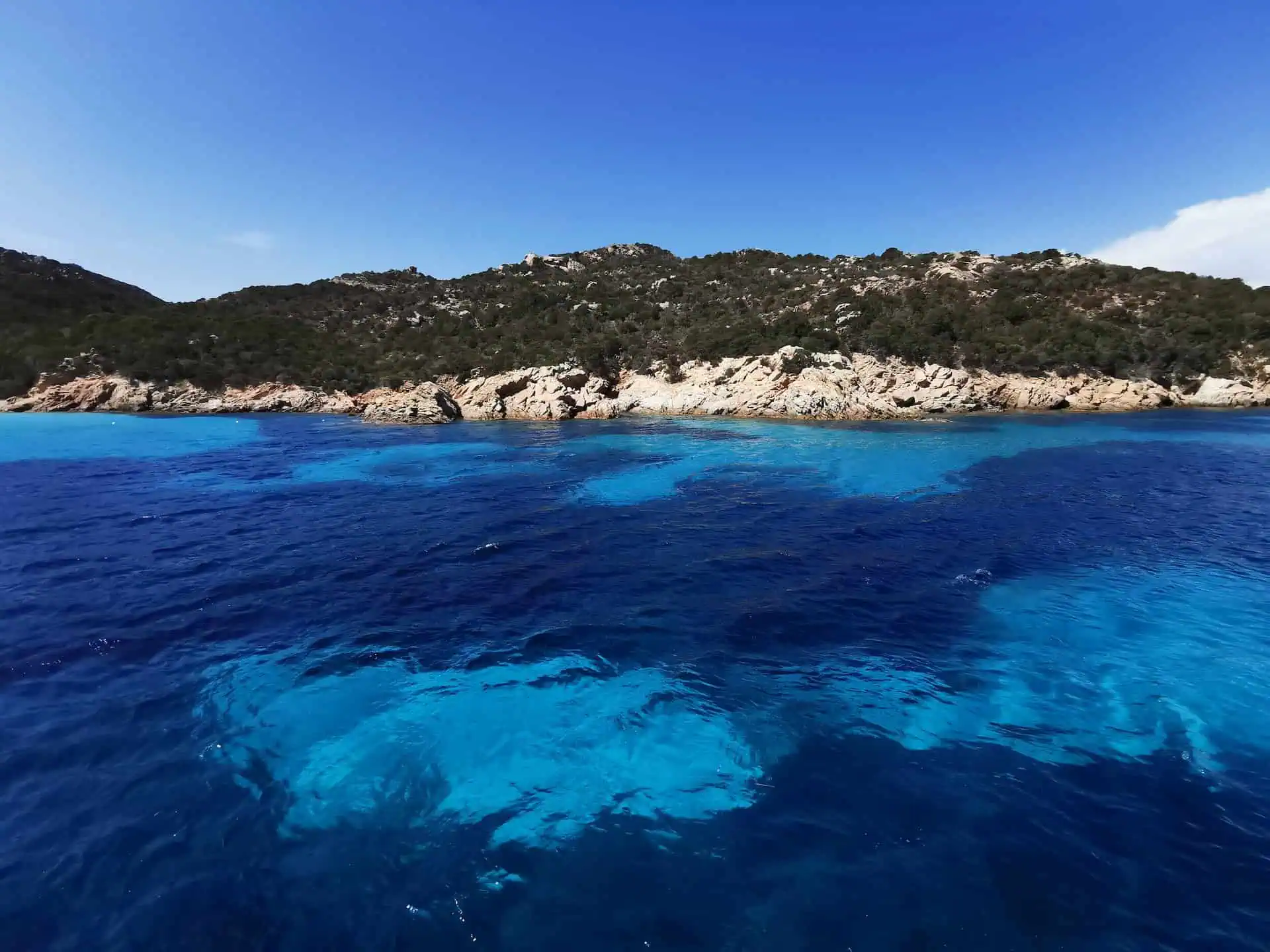
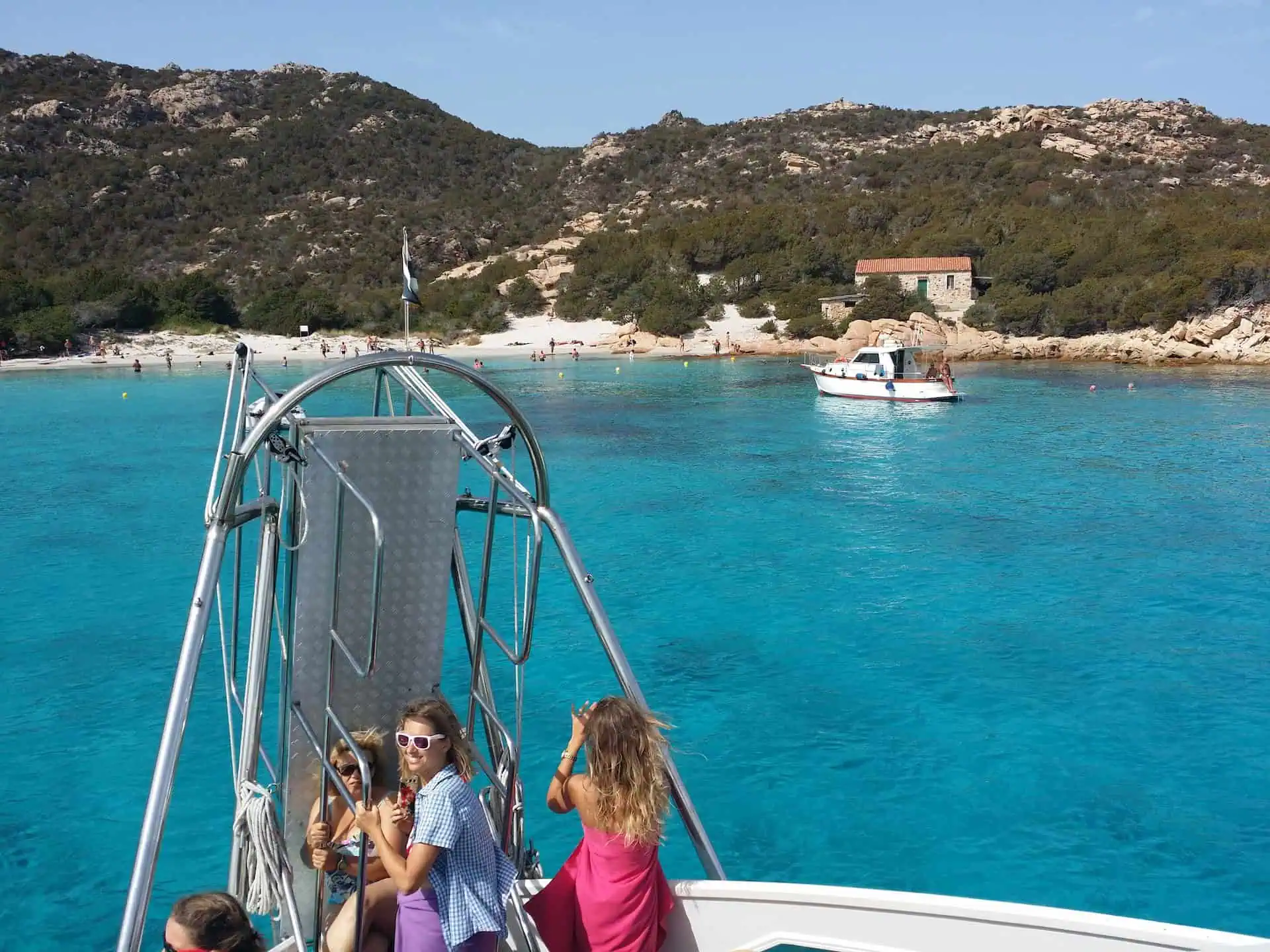
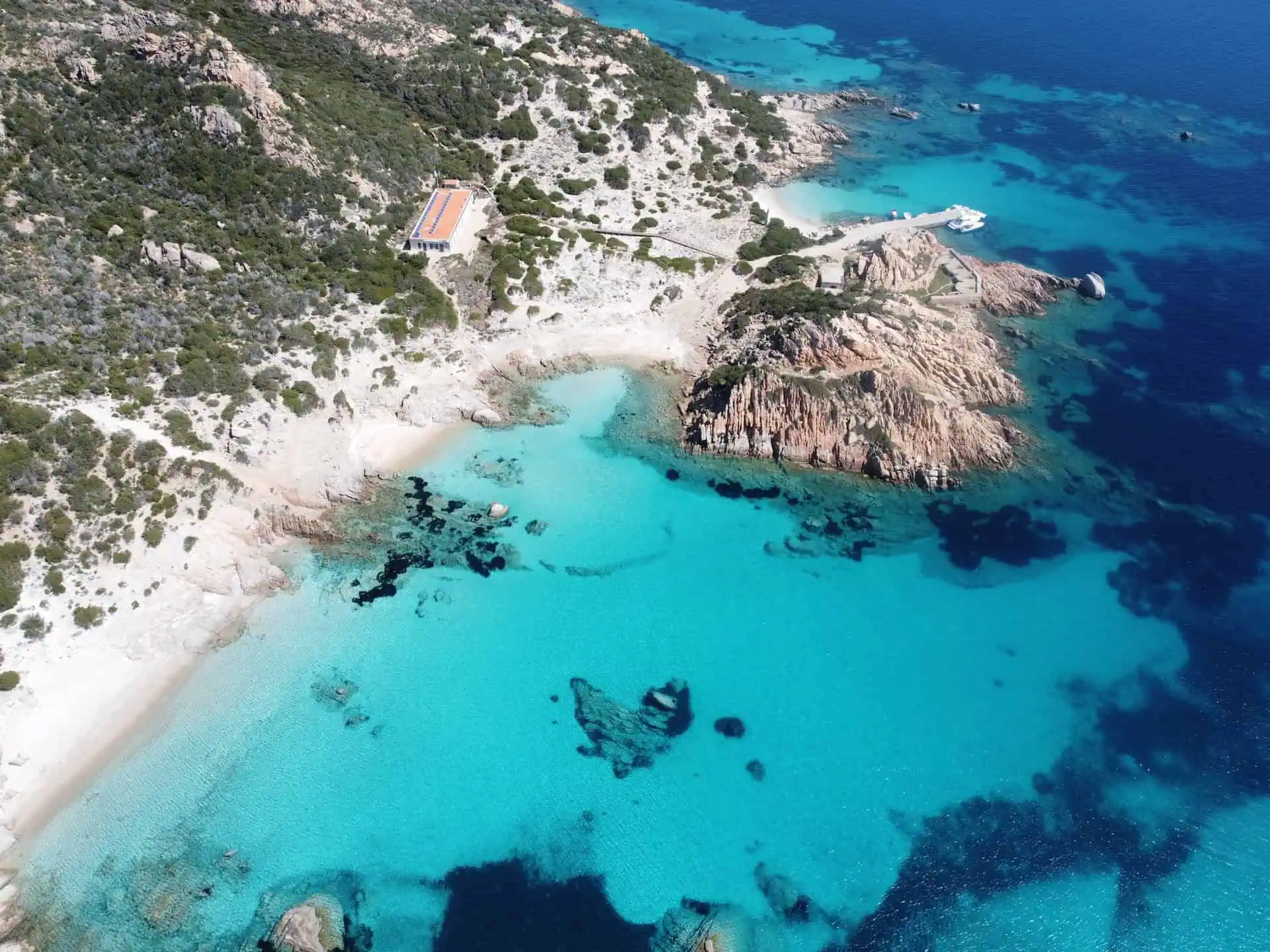
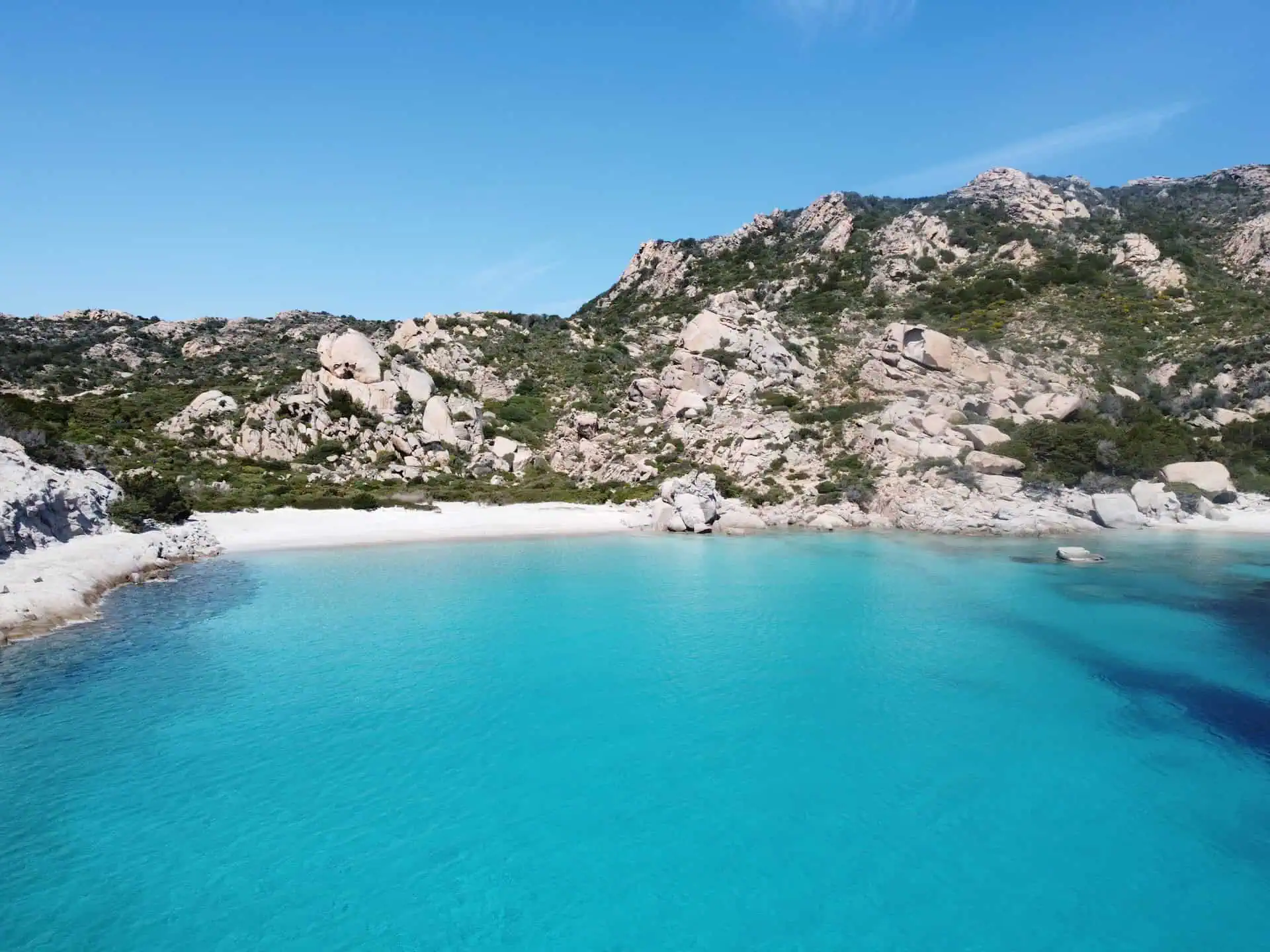
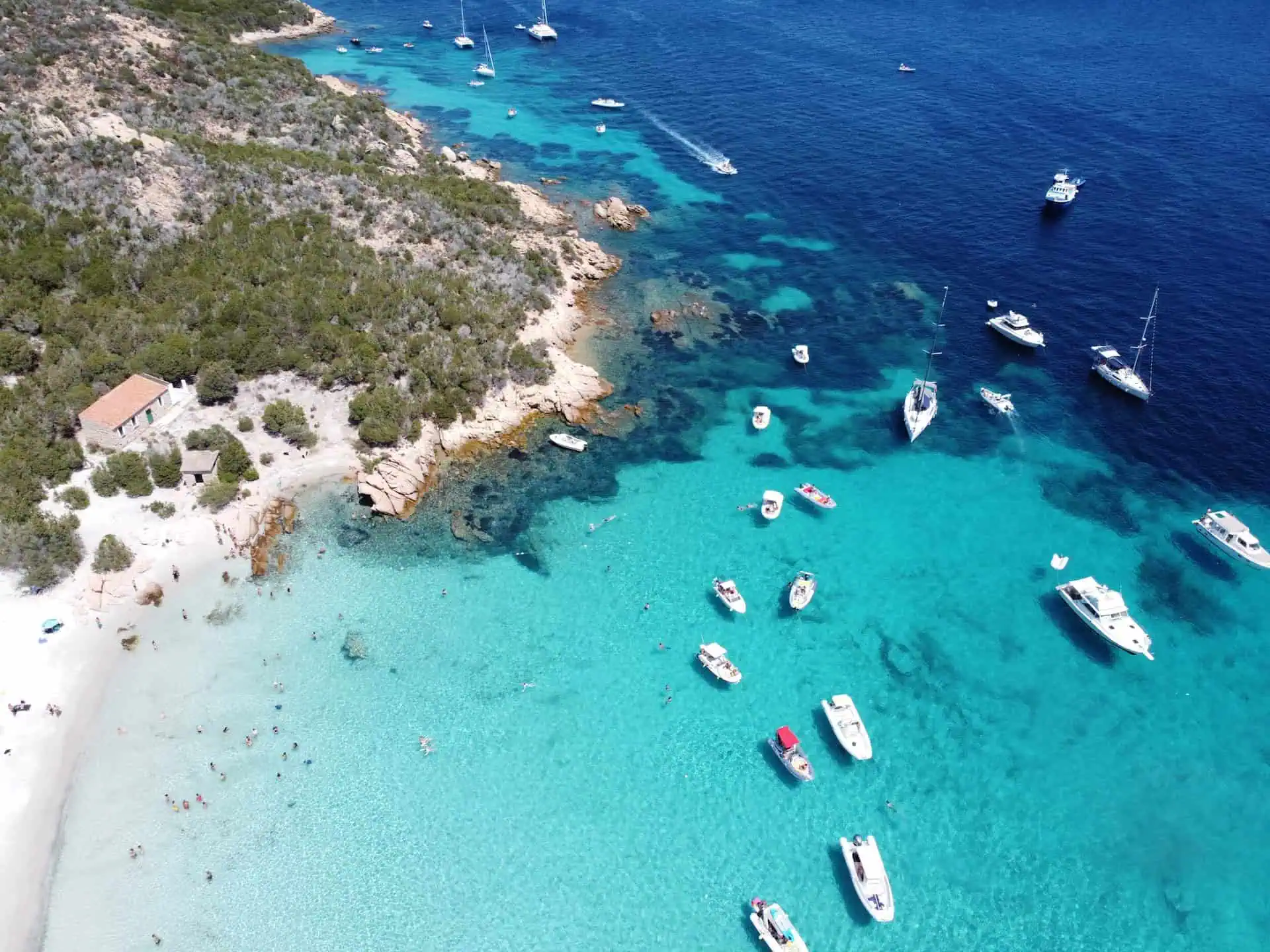
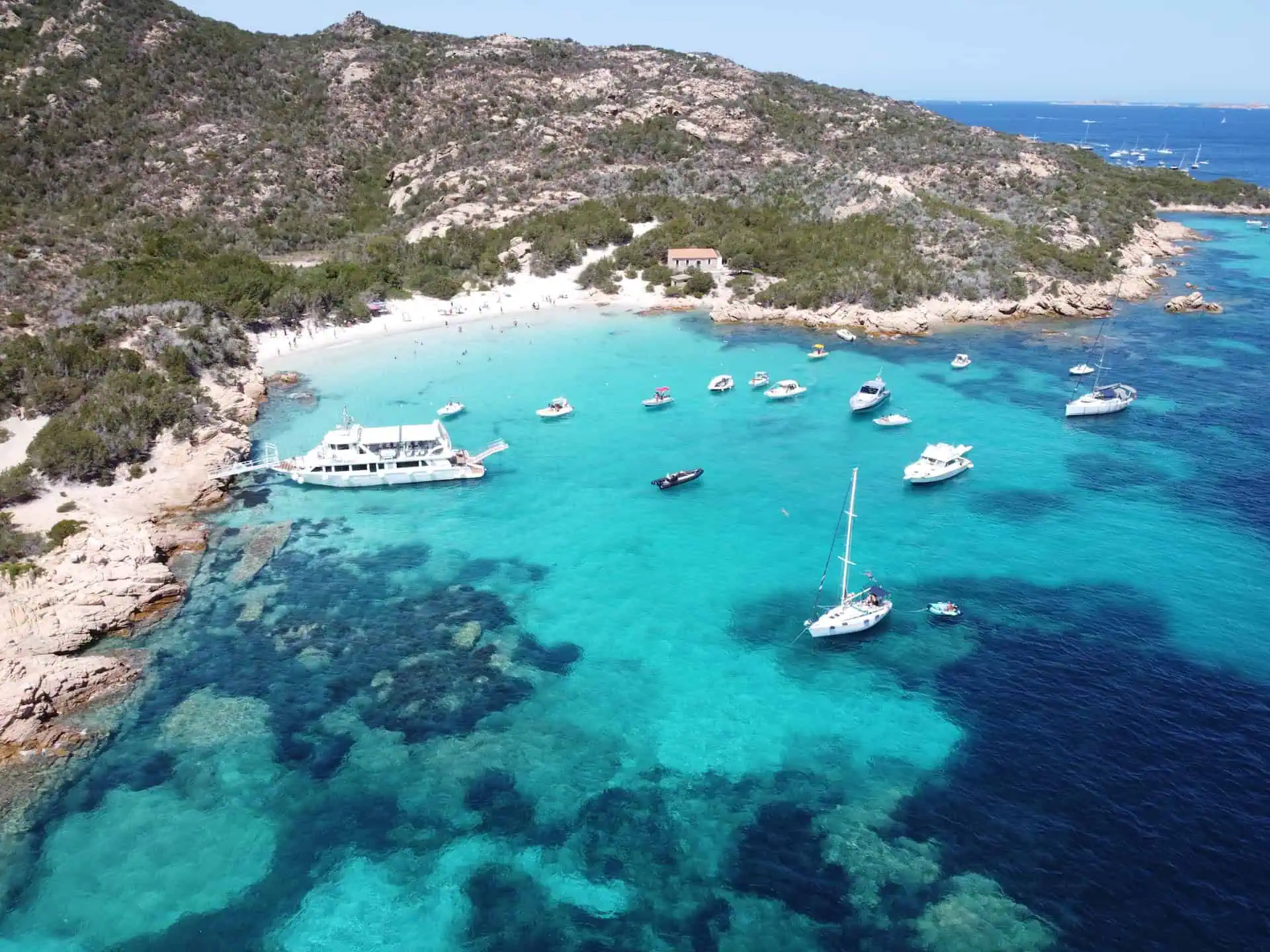
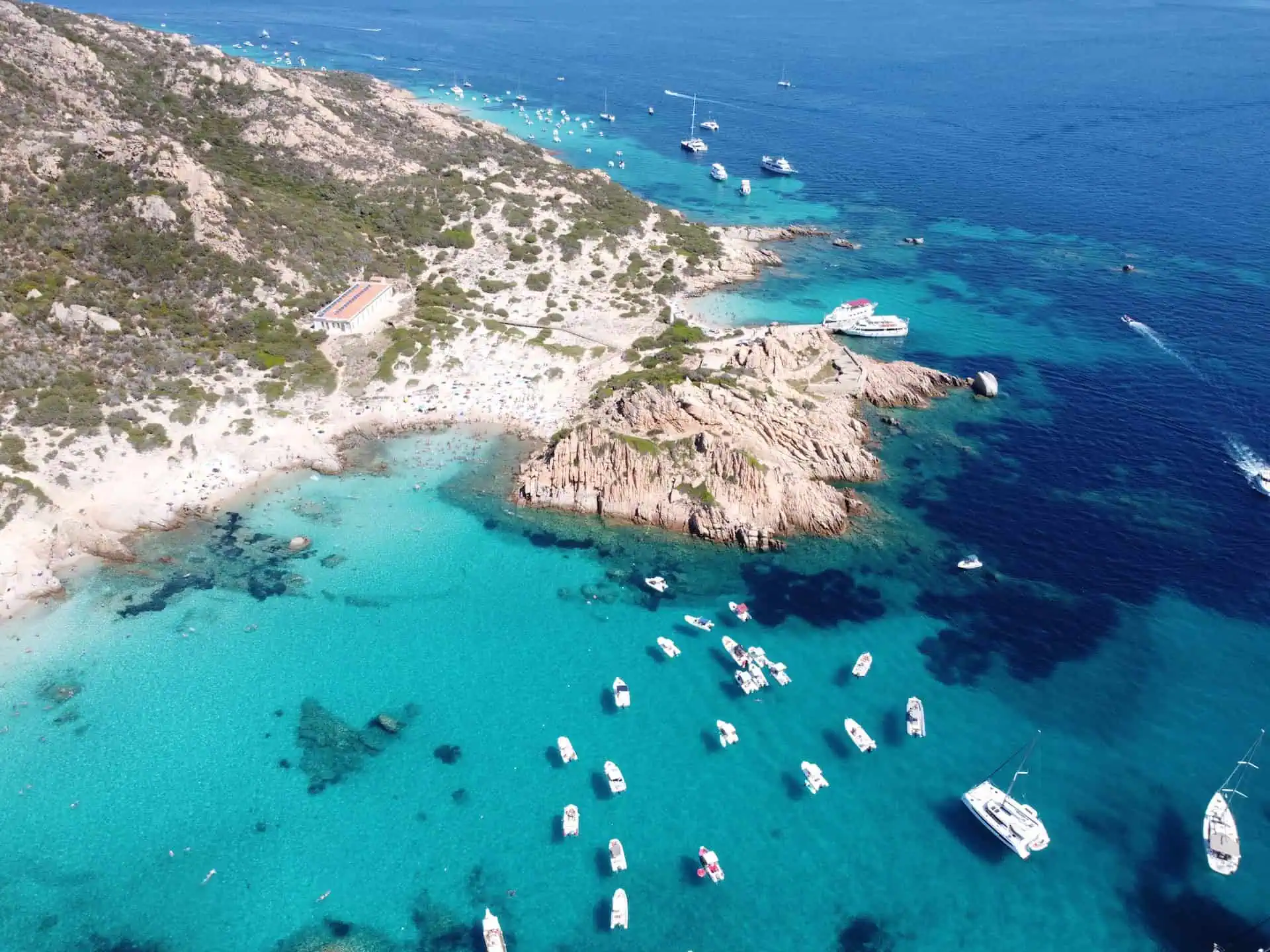
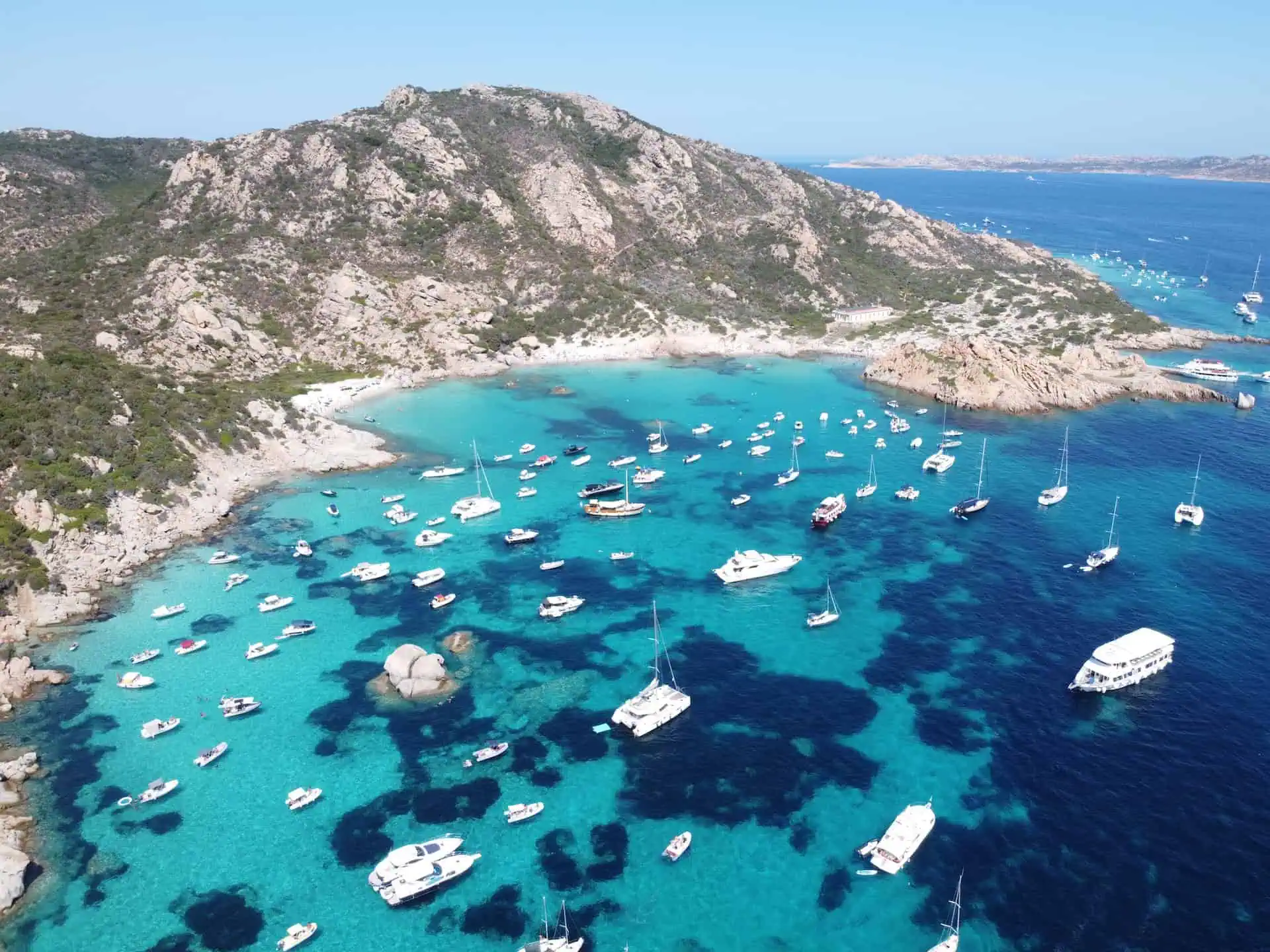
Welcome to Spargi, the wildest island in the La Maddalena Archipelago. Almost entirely covered in Mediterranean scrub, the island has no permanent residents, no roads and no accommodation – just coastline, vegetation and quiet.
The highest point is Guardia Preposti, at 153 metres above sea level, with views that reach across the neighbouring islands and, on clear days, the outline of Corsica.
Beaches, coves and natural wonders of Spargi Island
The lively Mediterranean flora, the remarkable granite formations and the white beaches of Spargi Island draw visitors back year after year. A place to stop, swim and lose track of time.
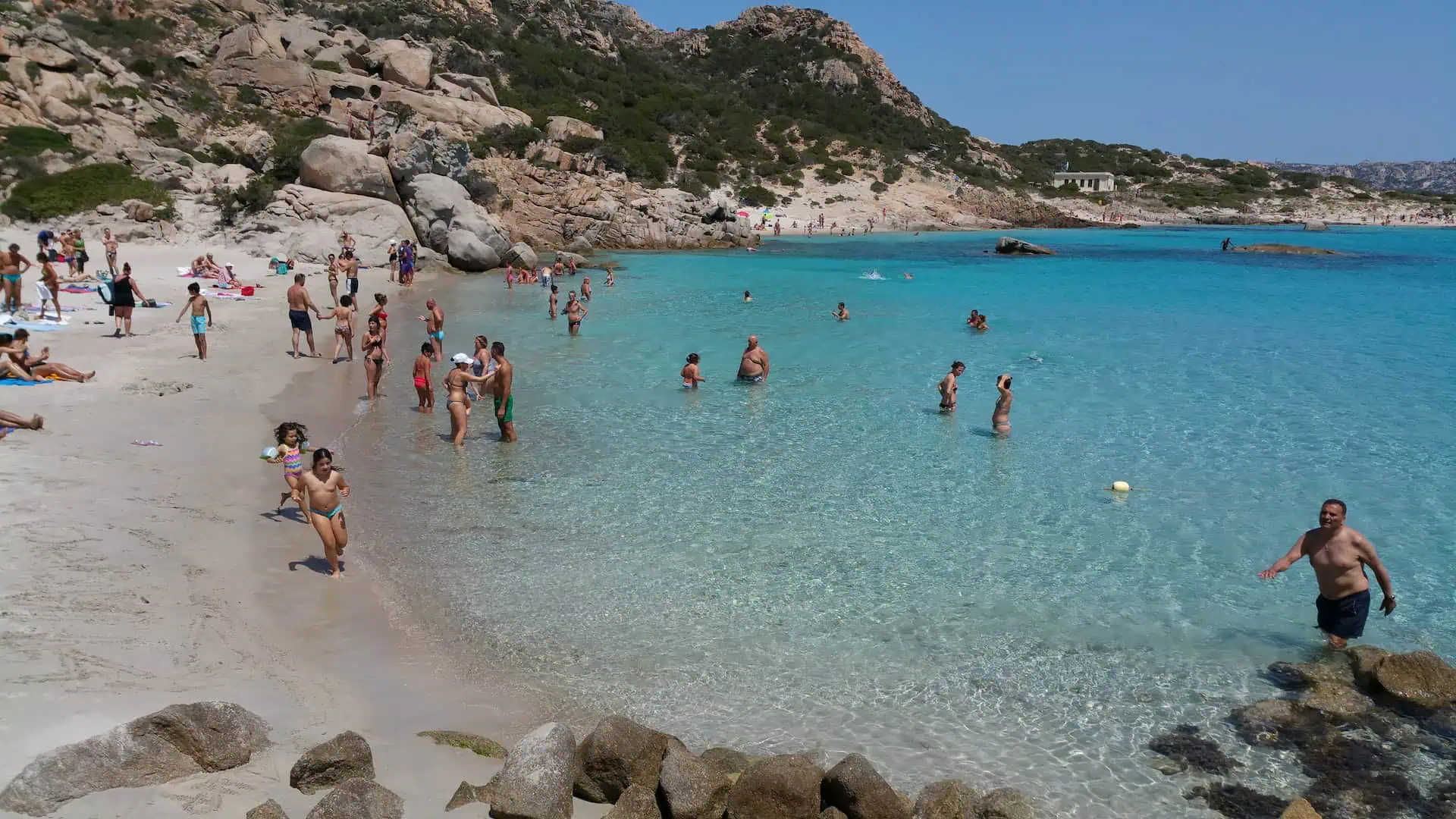
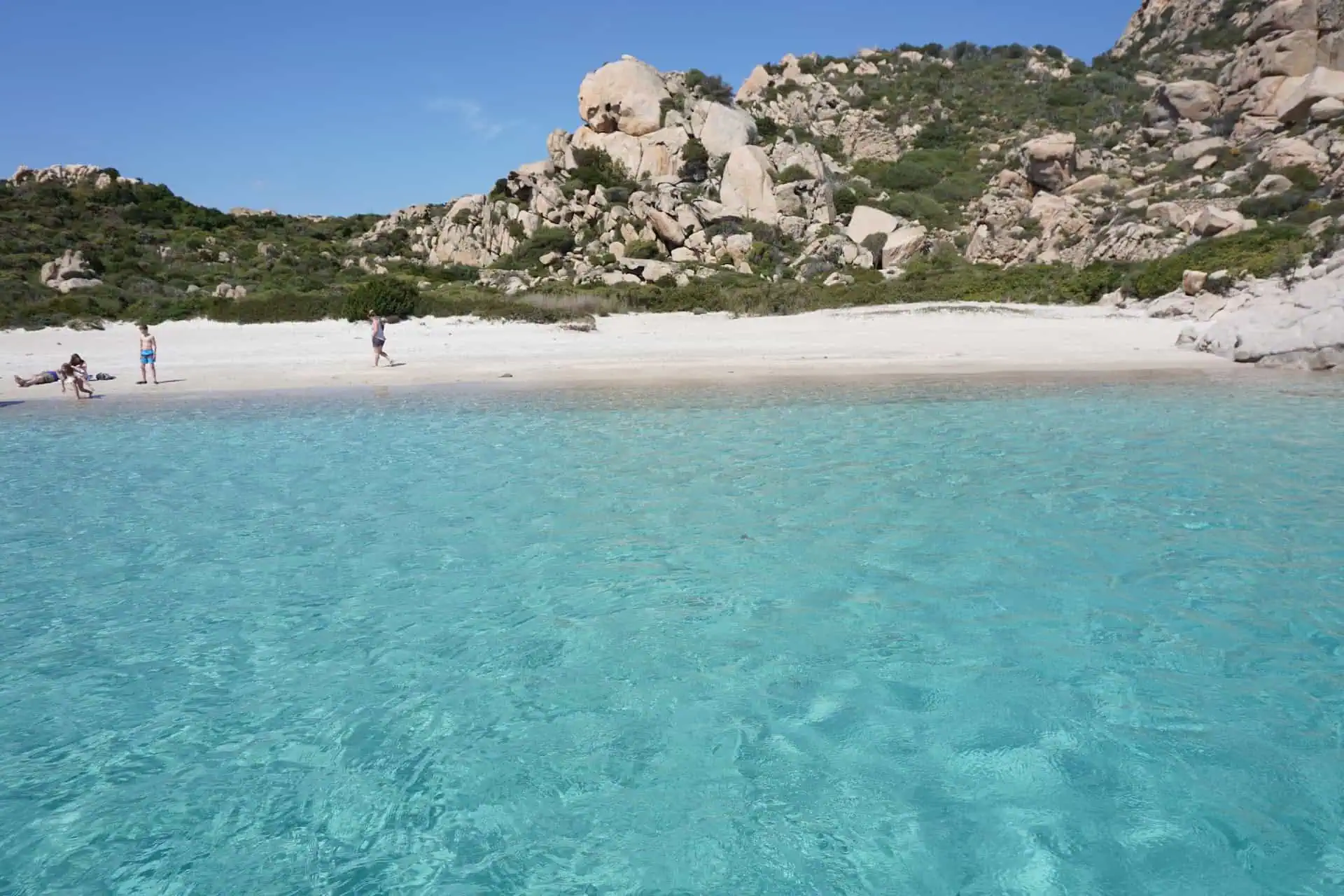
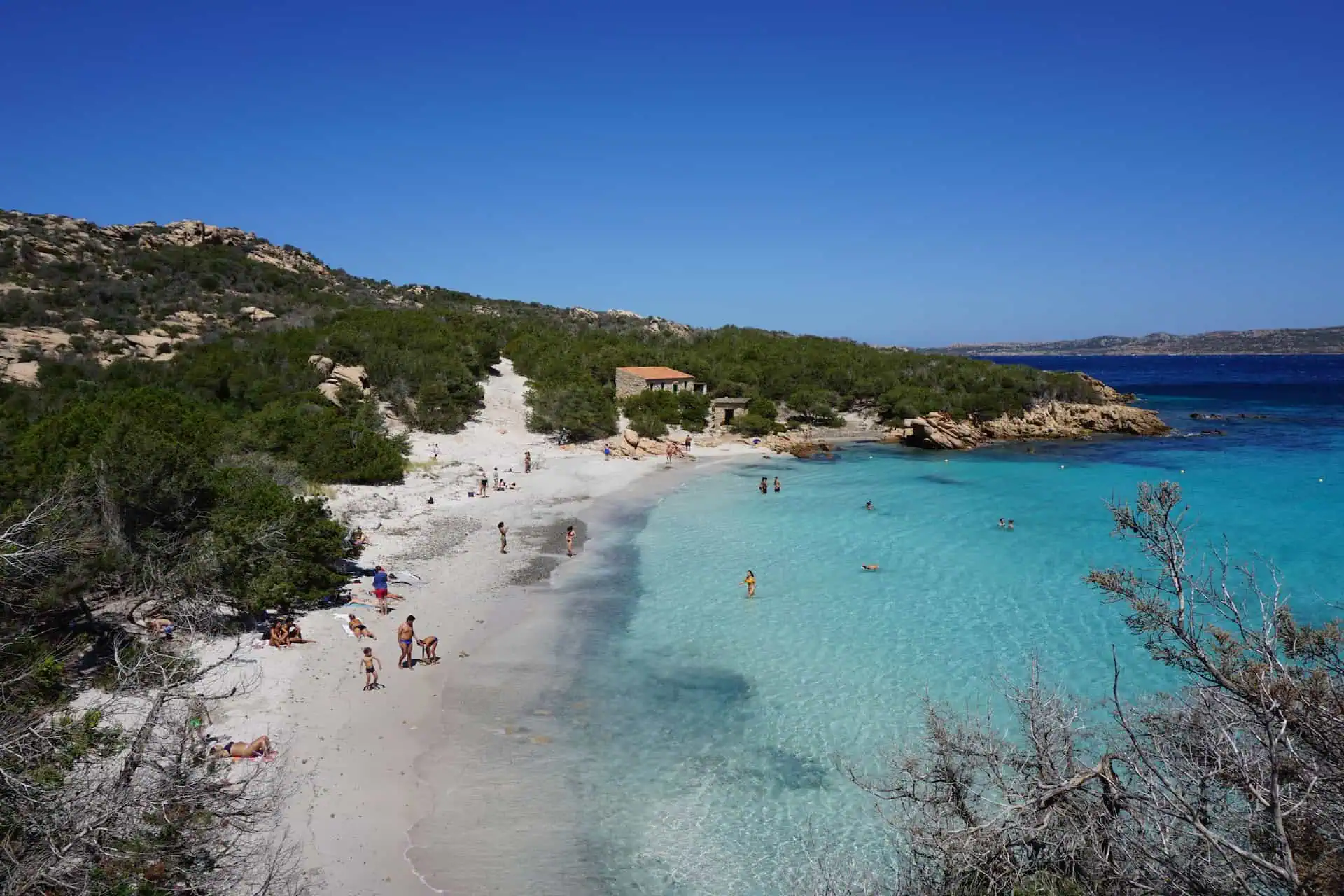
White sand beaches
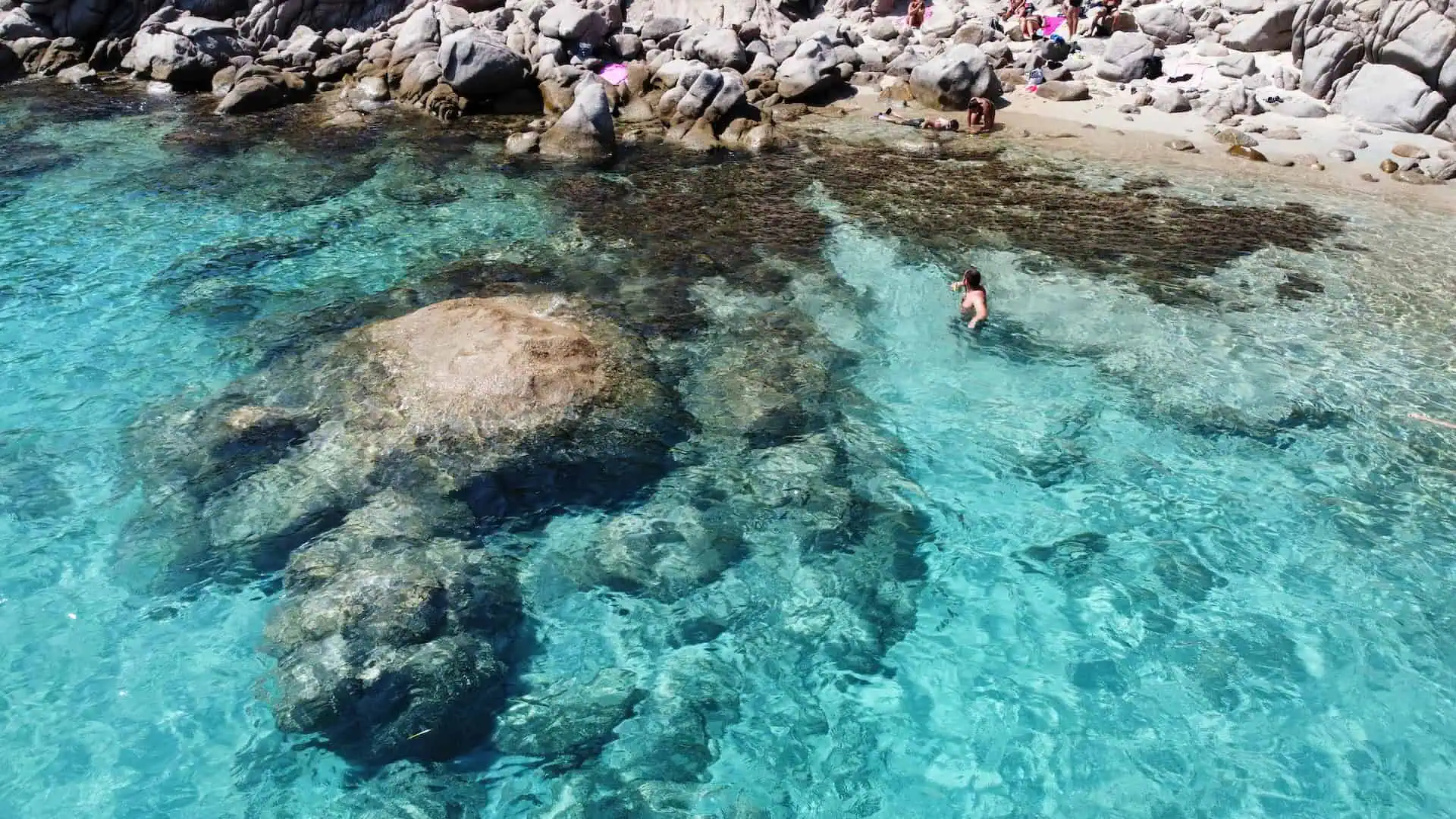
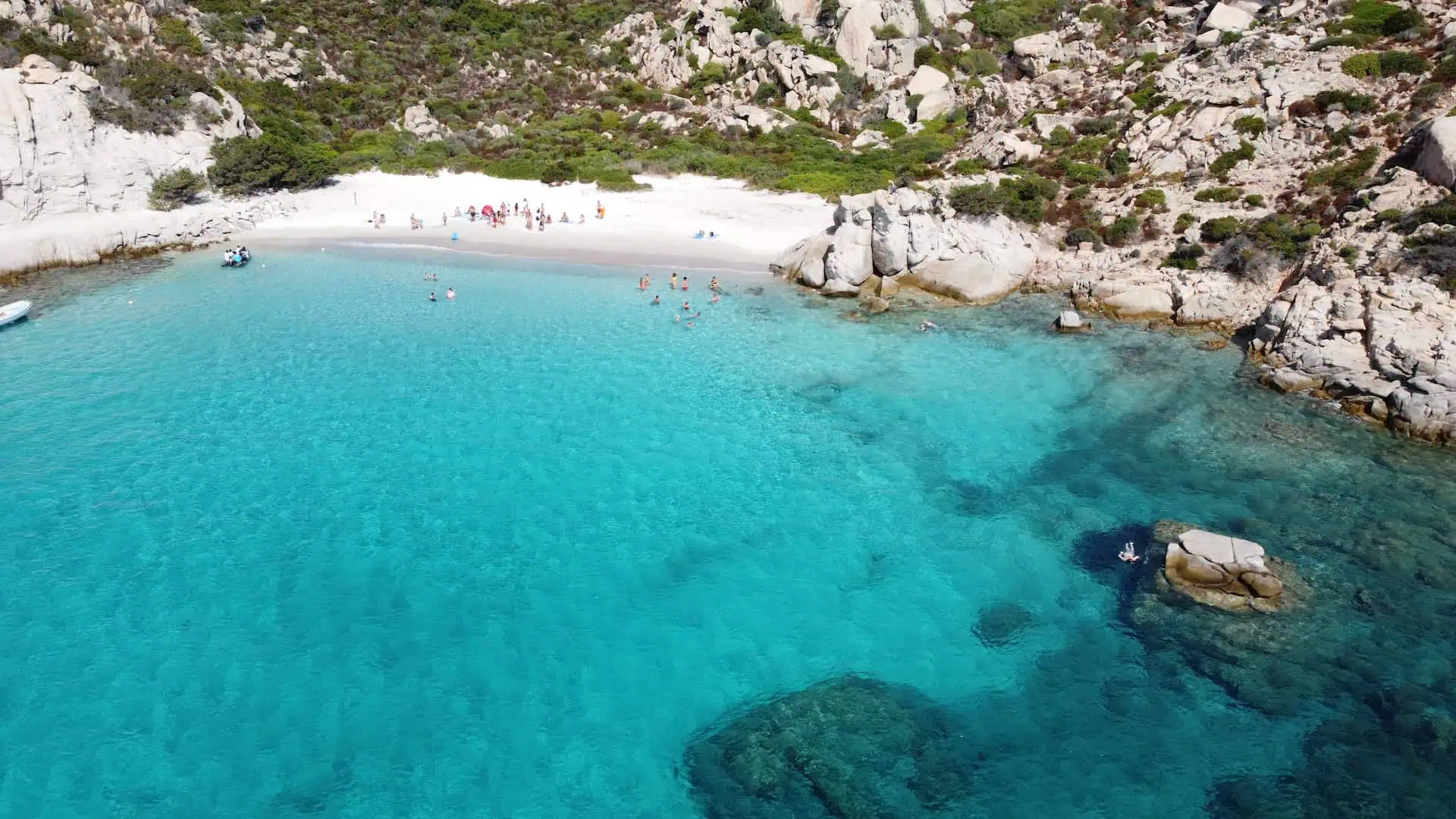
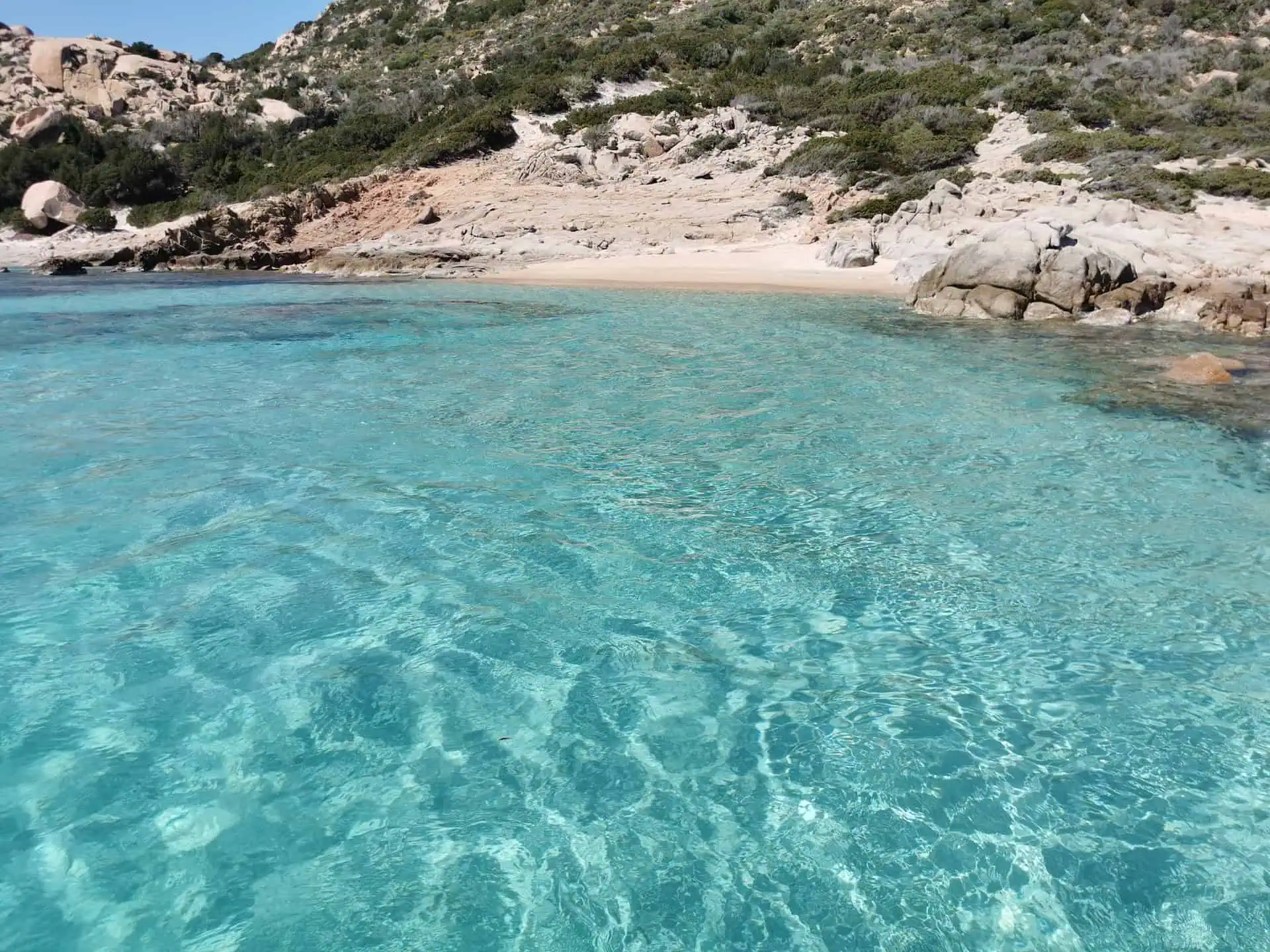
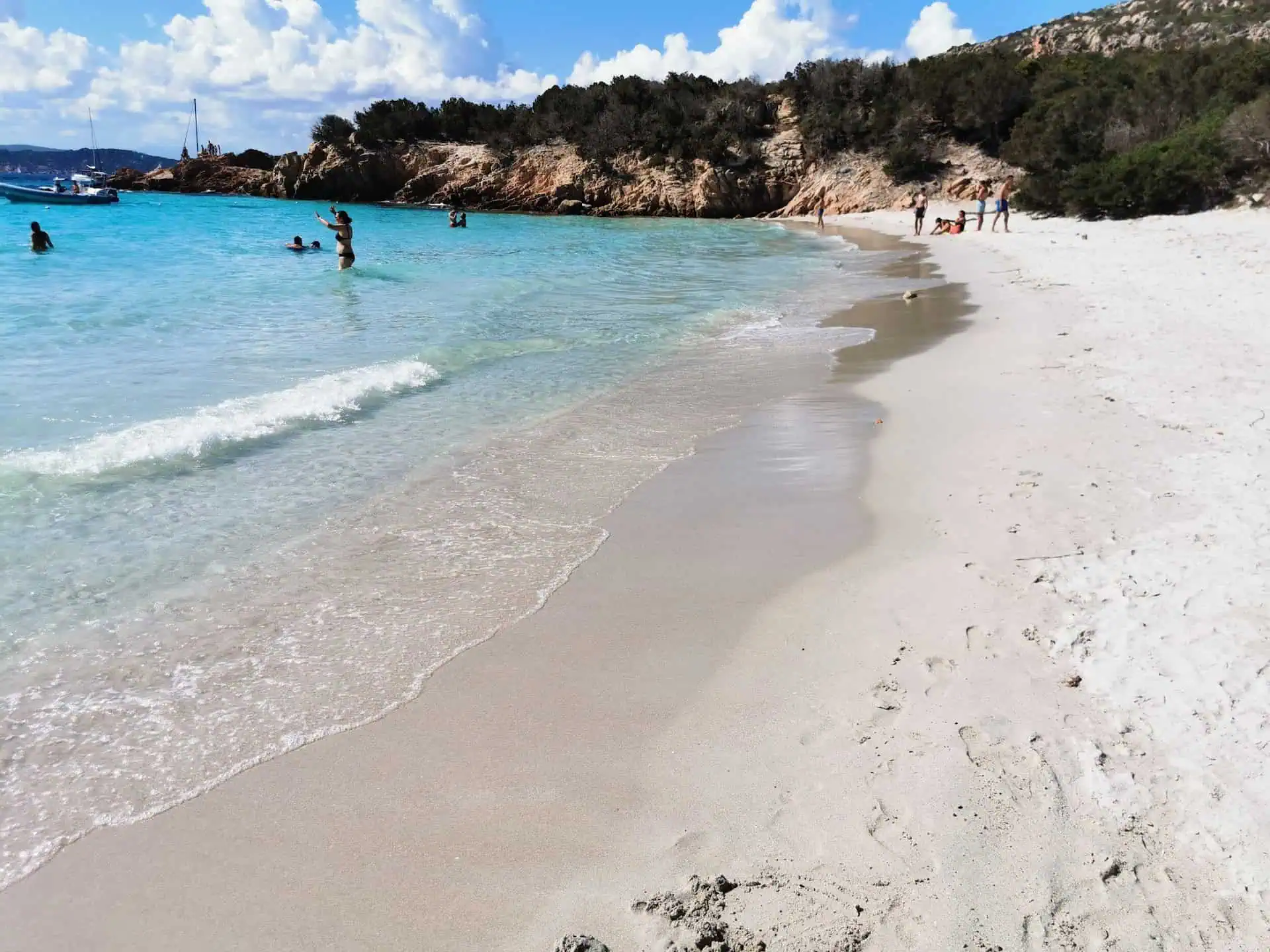
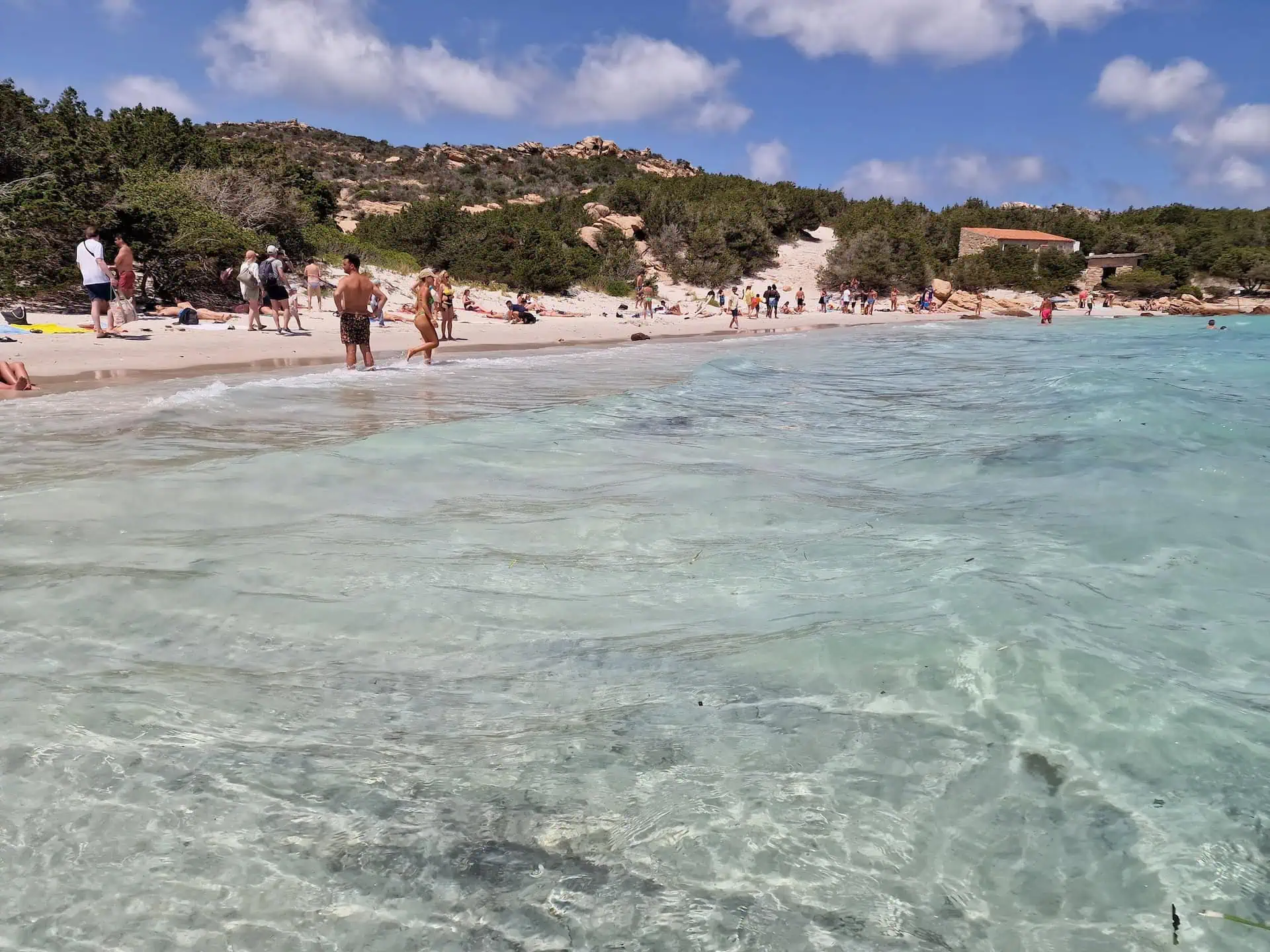
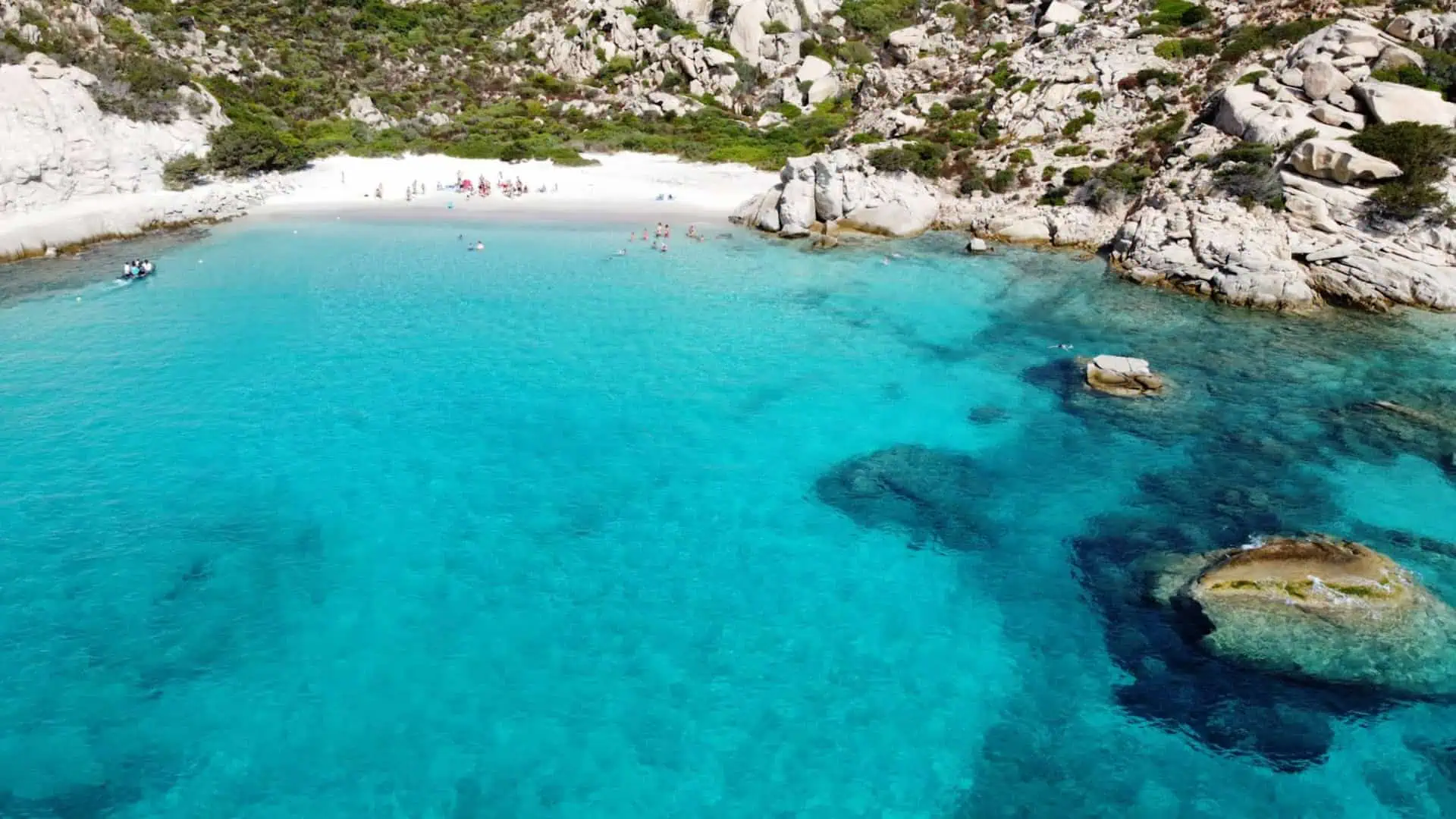
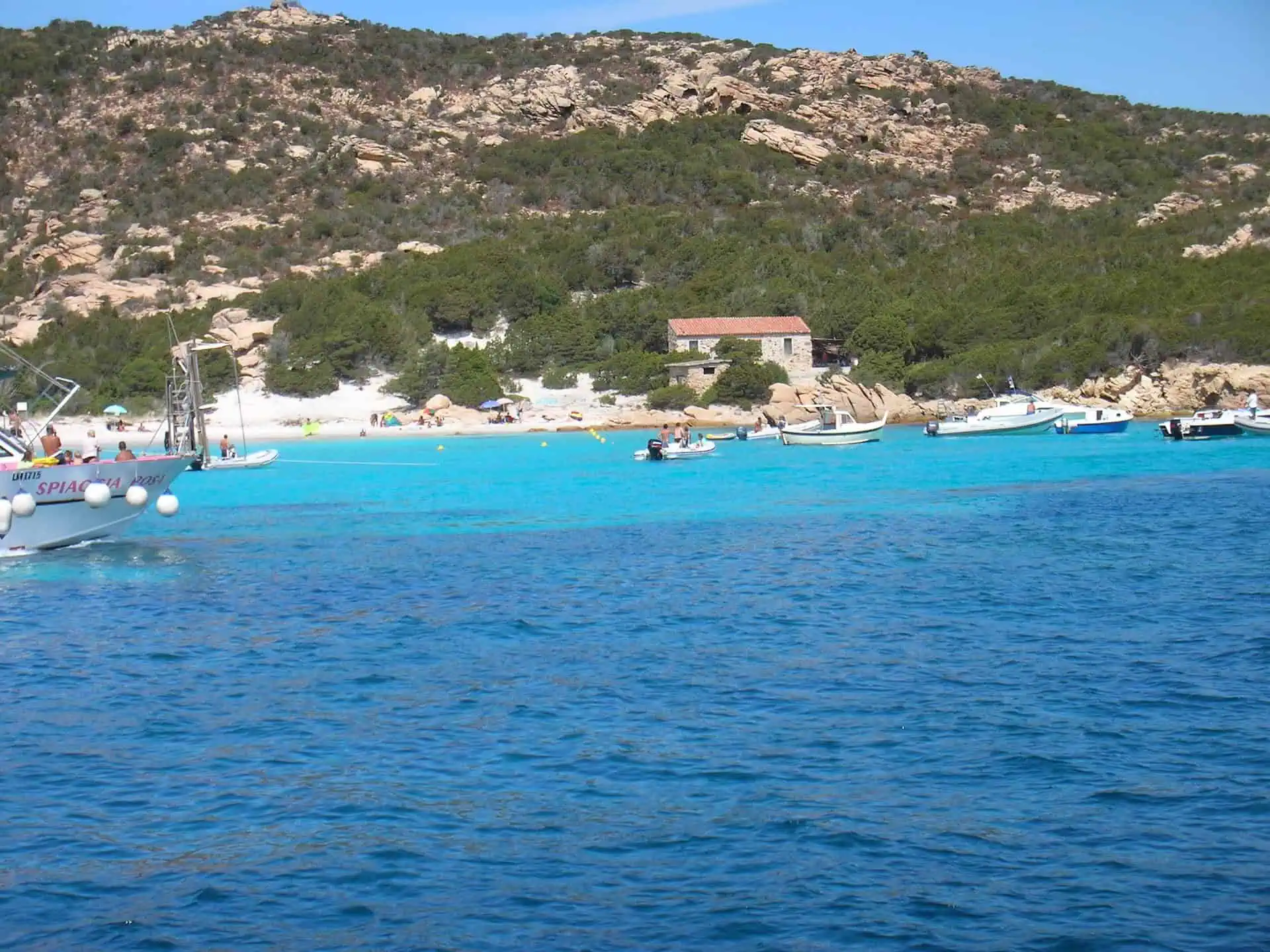
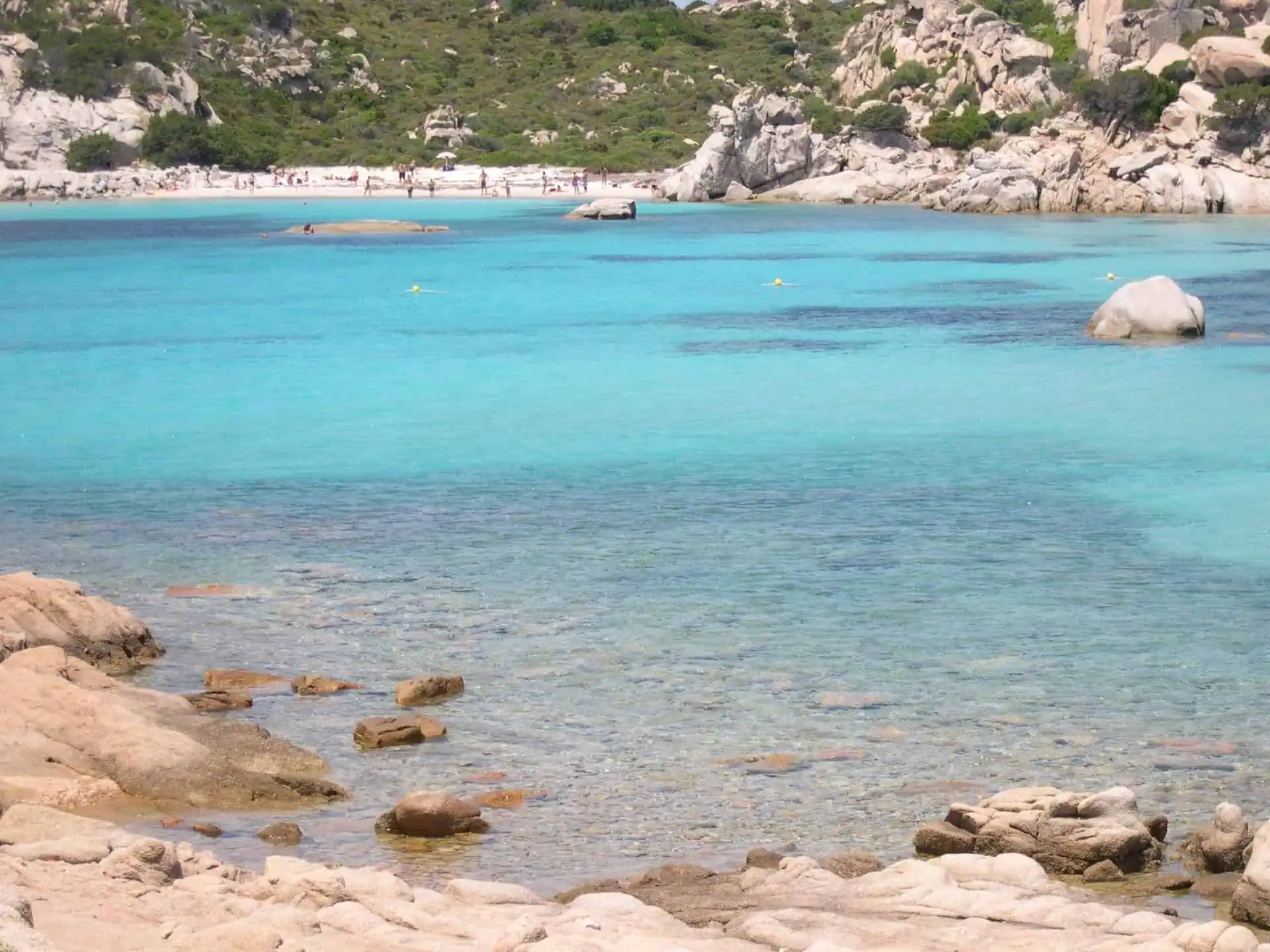
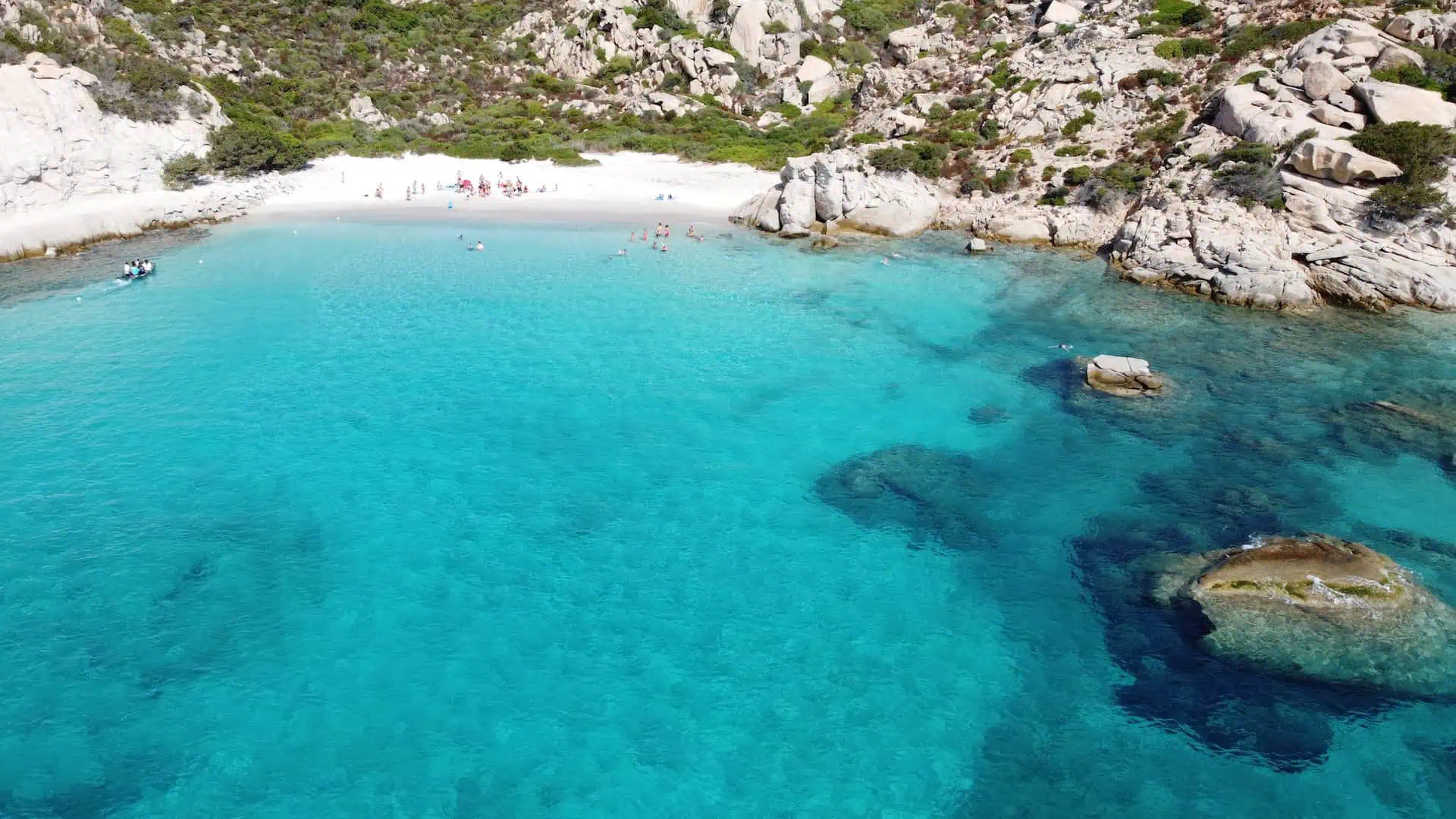
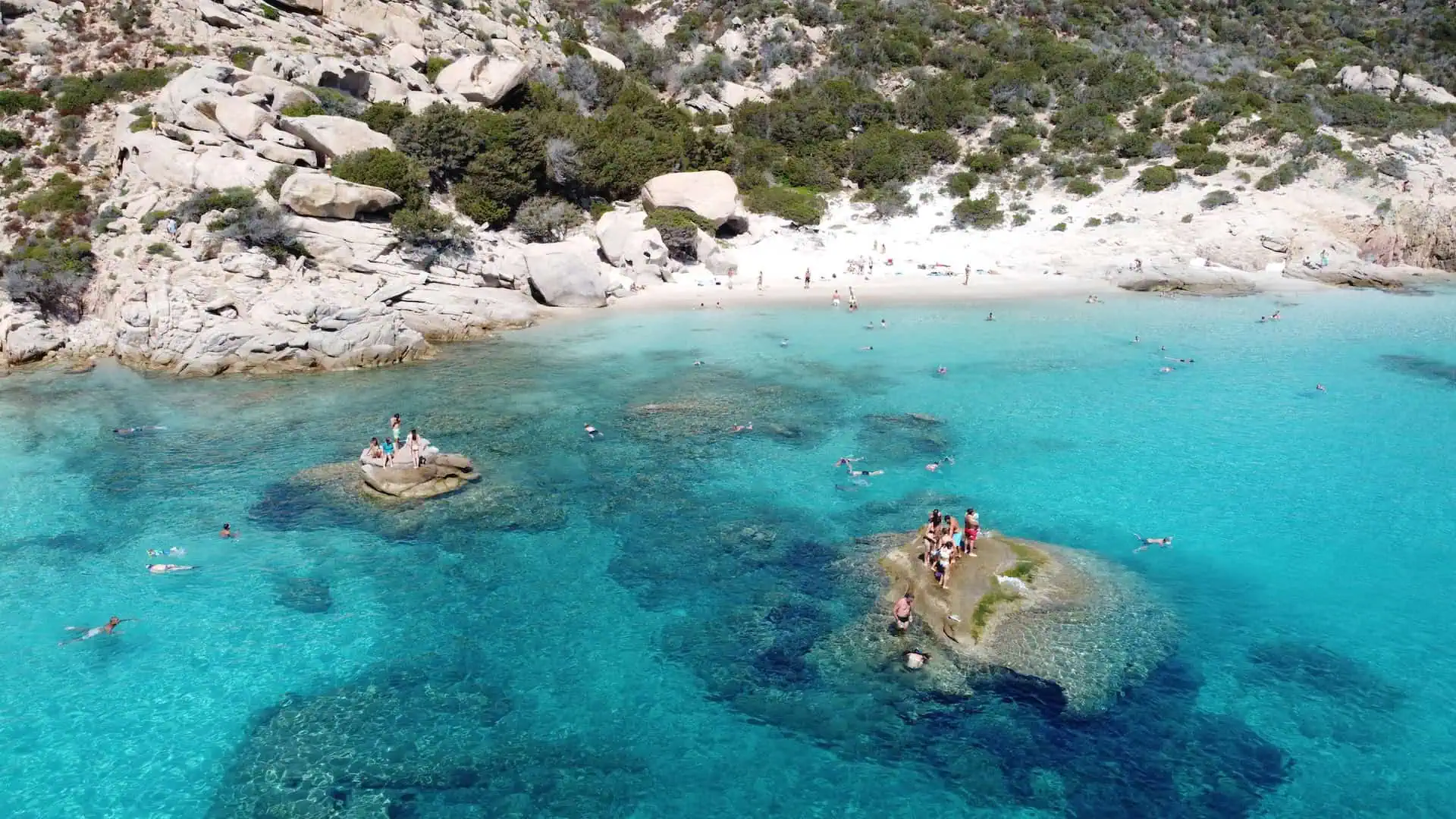
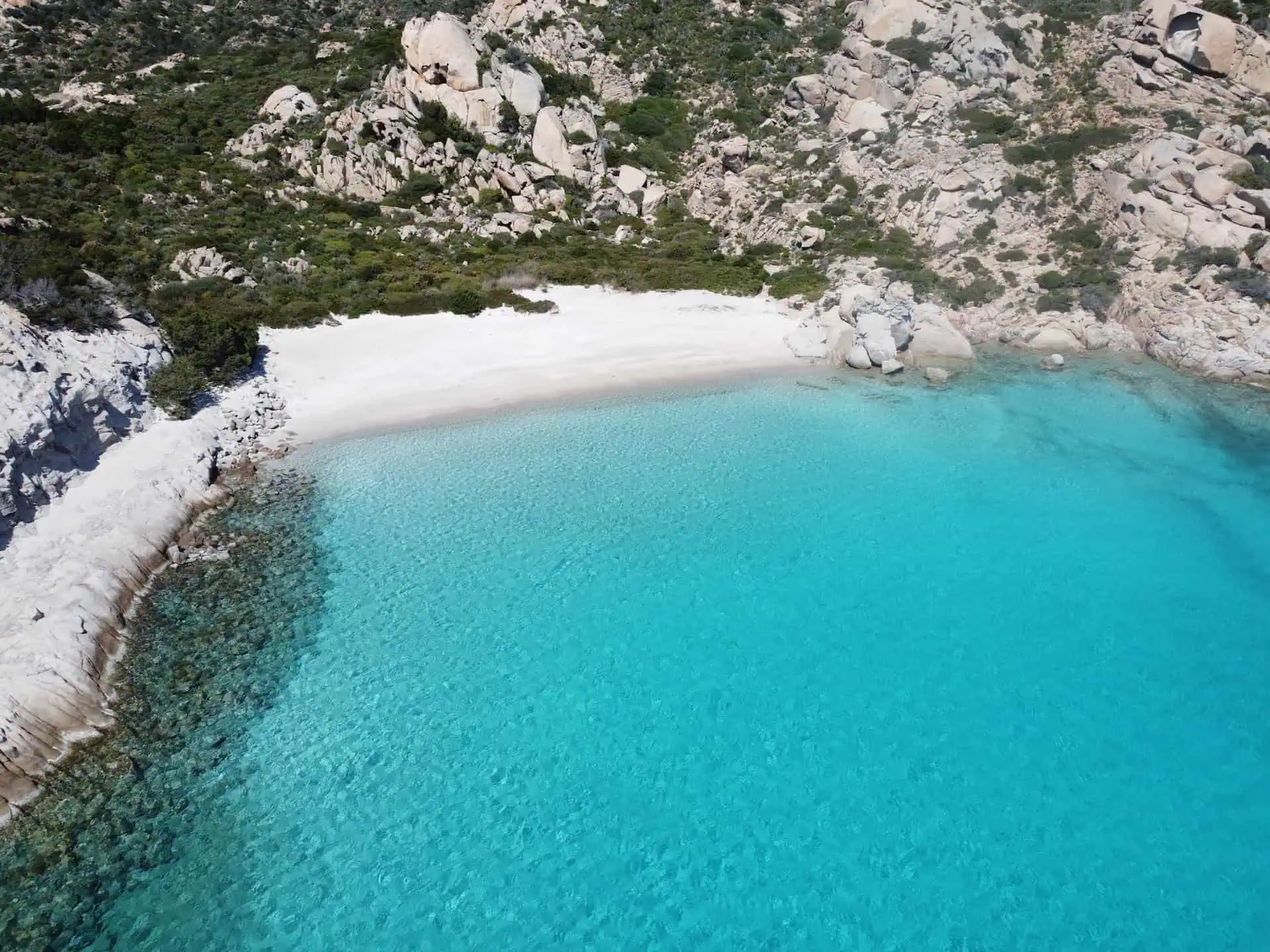
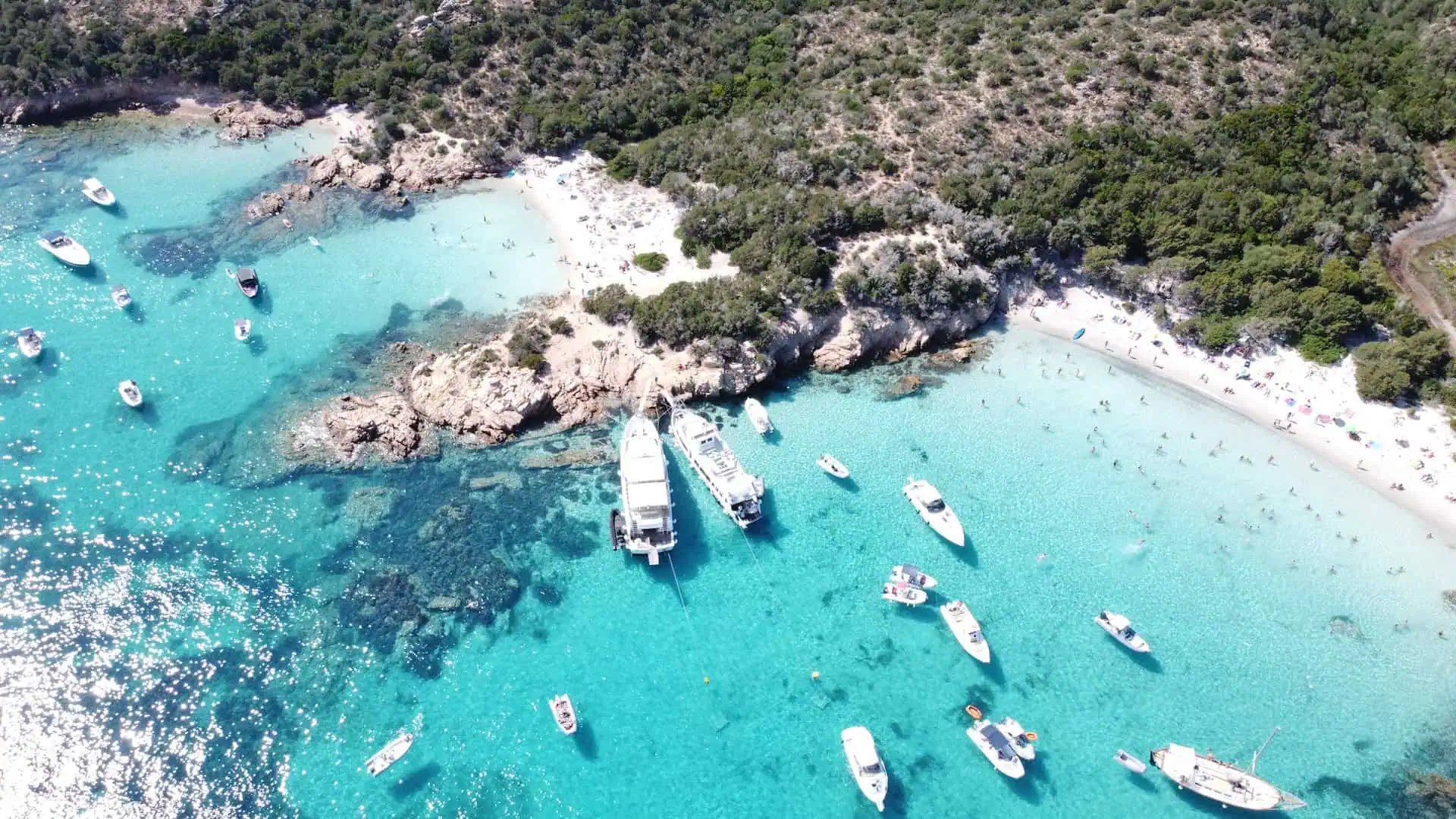
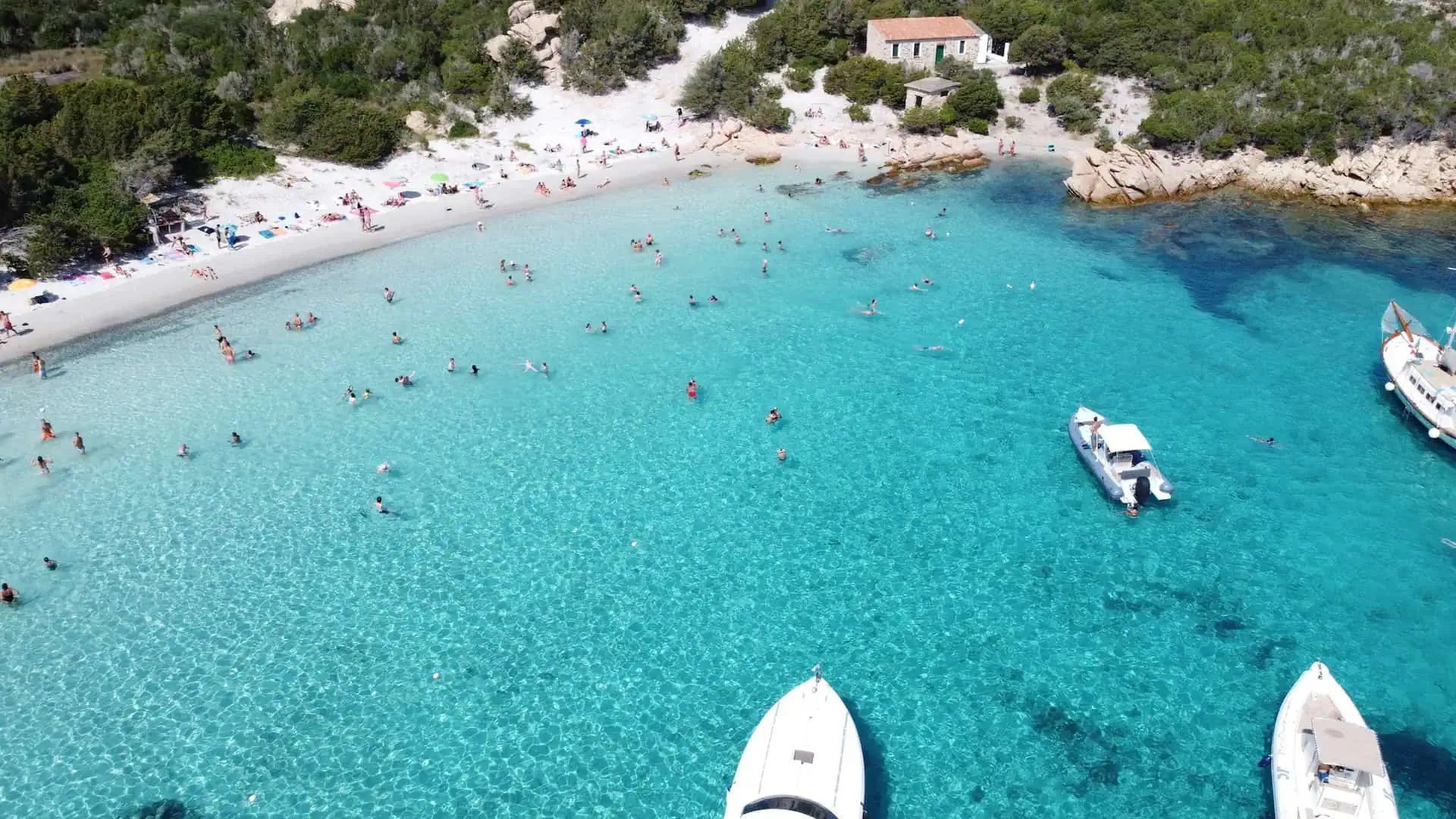
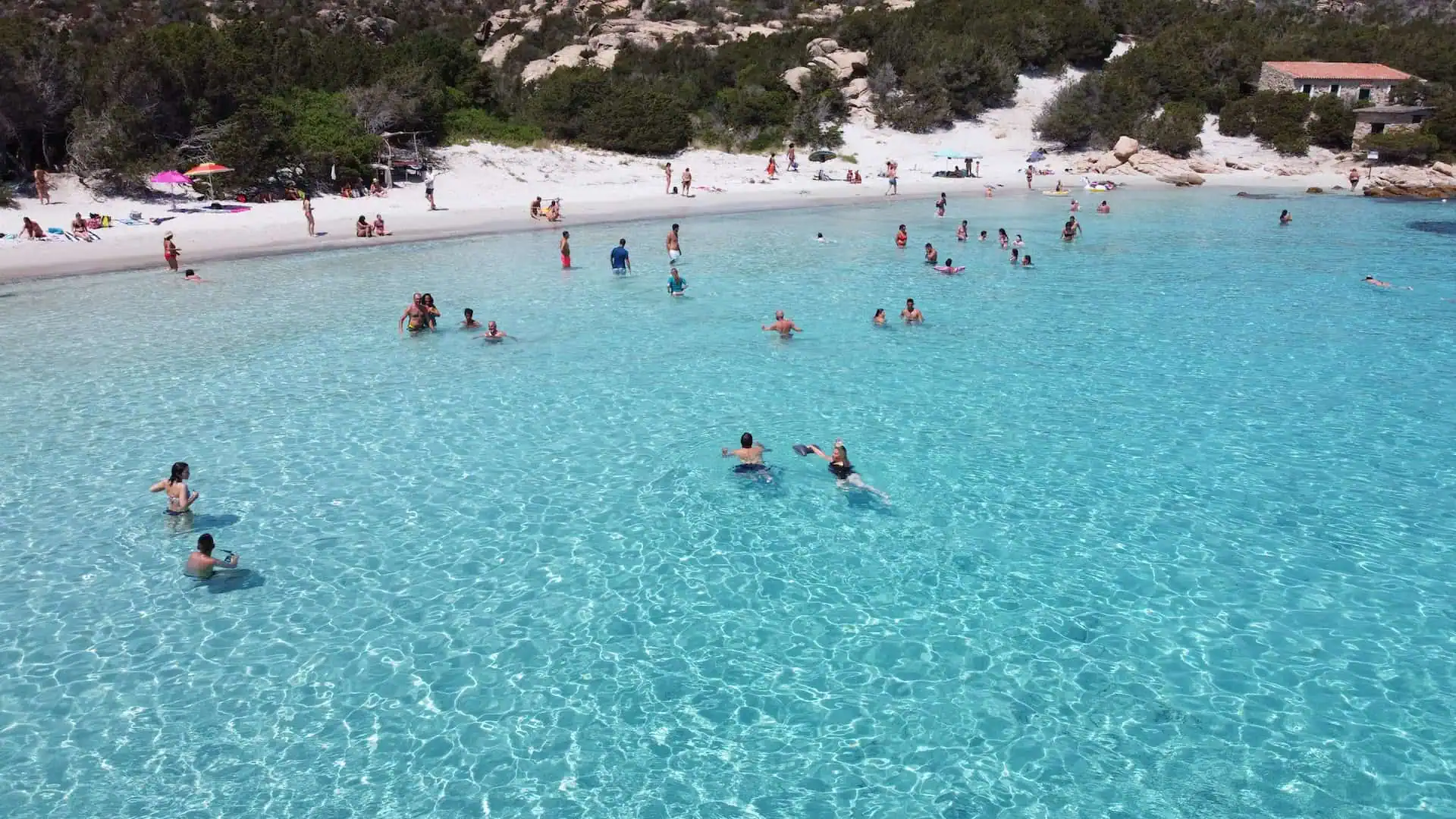
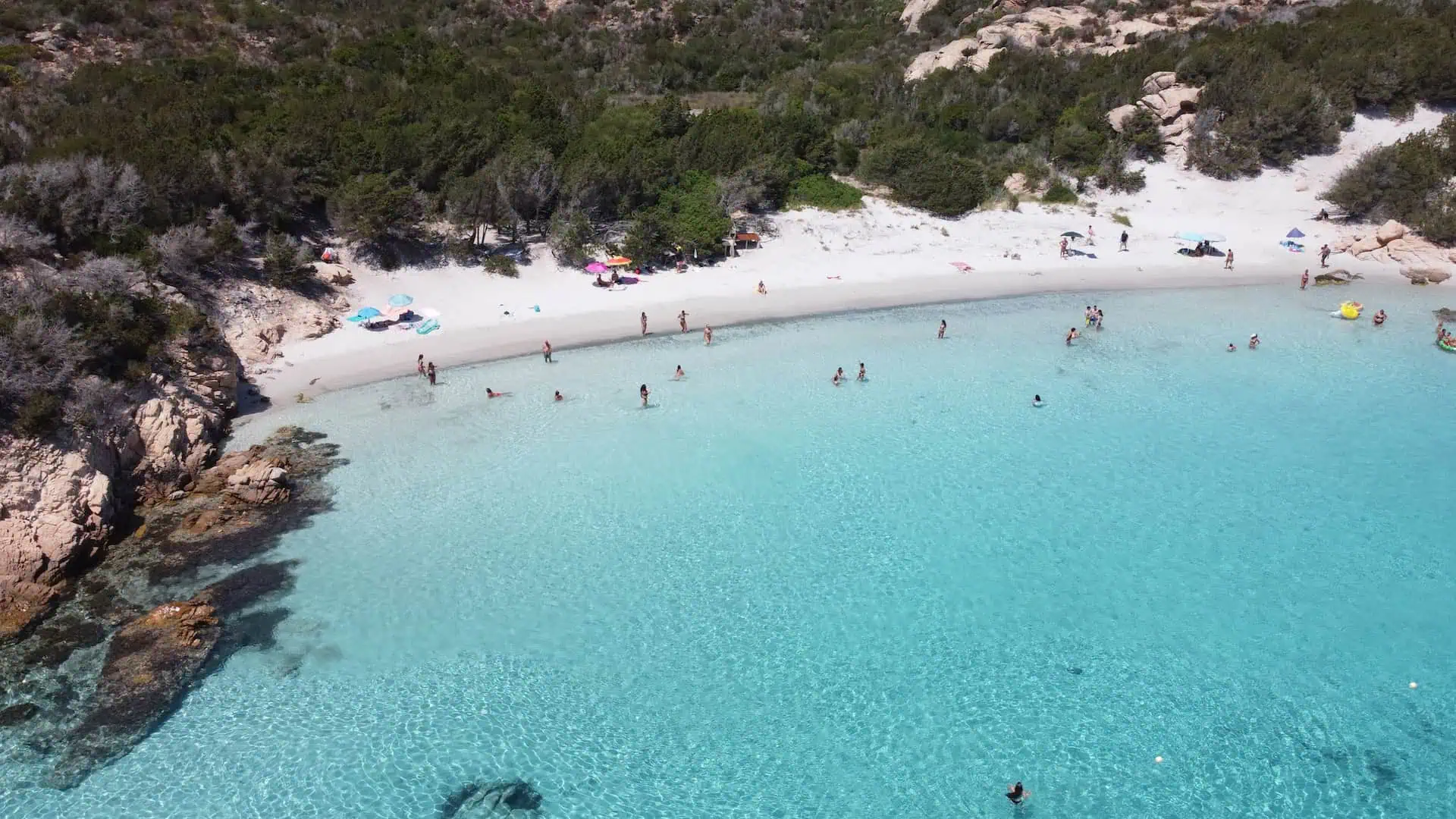
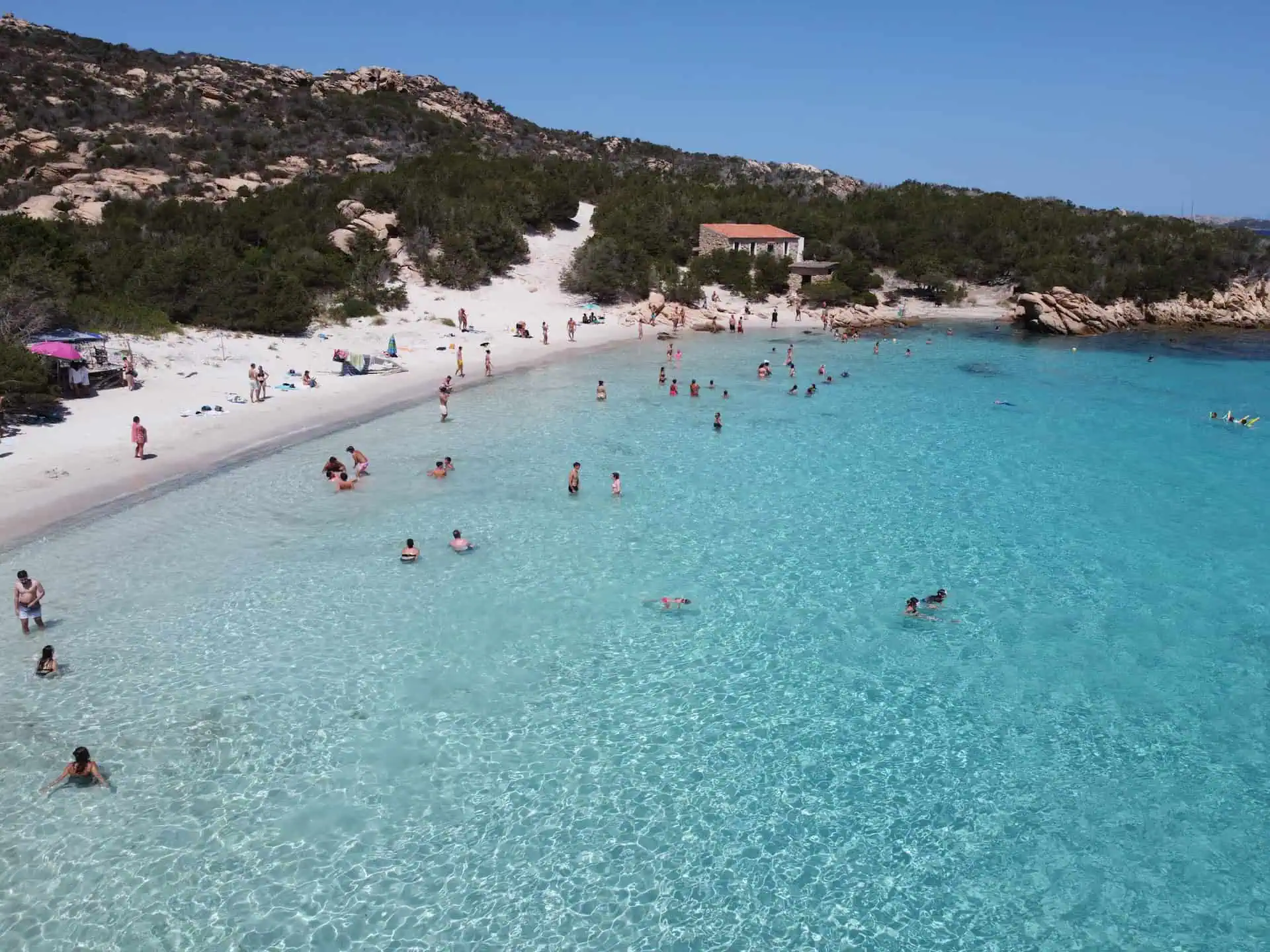
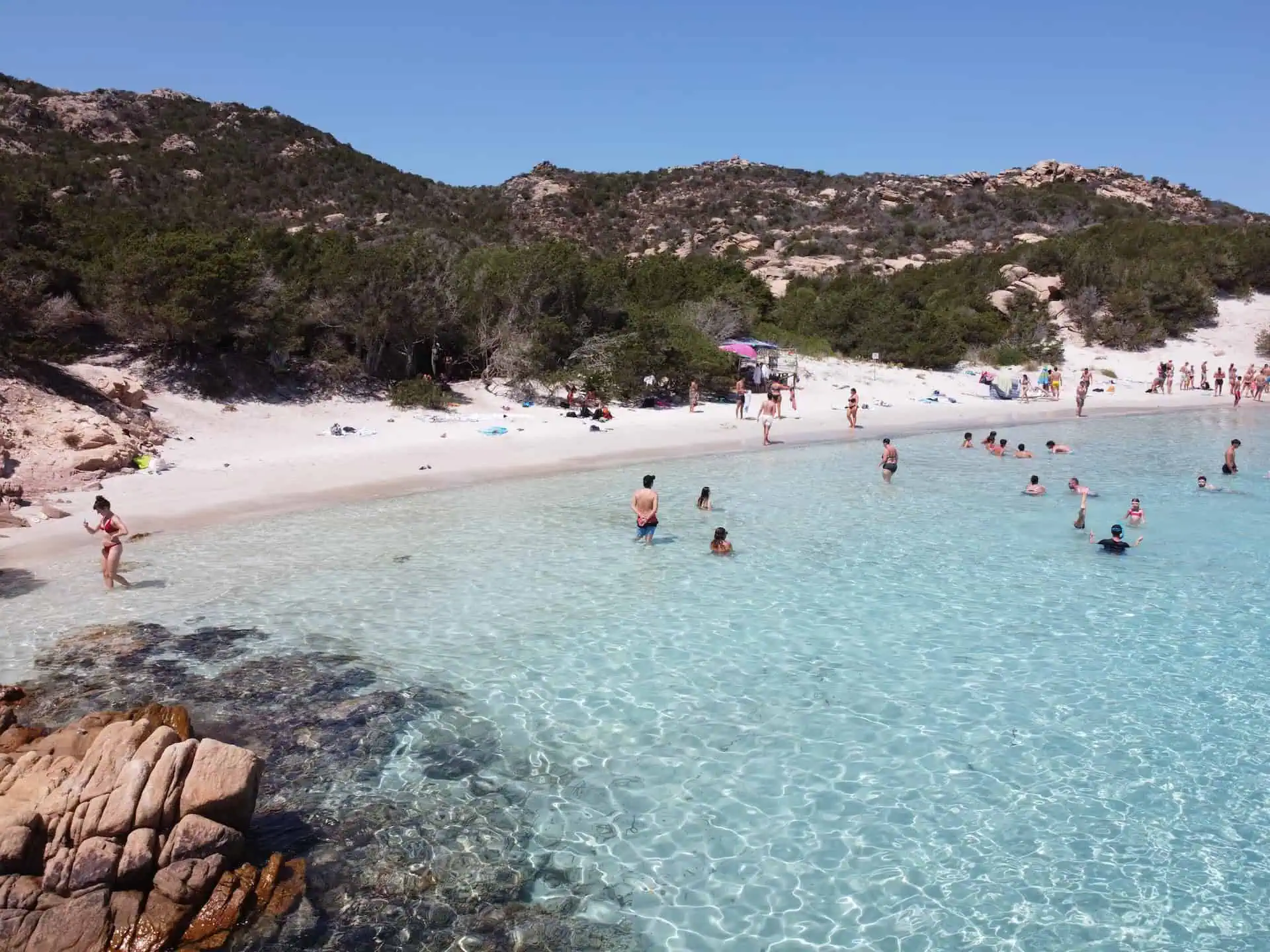
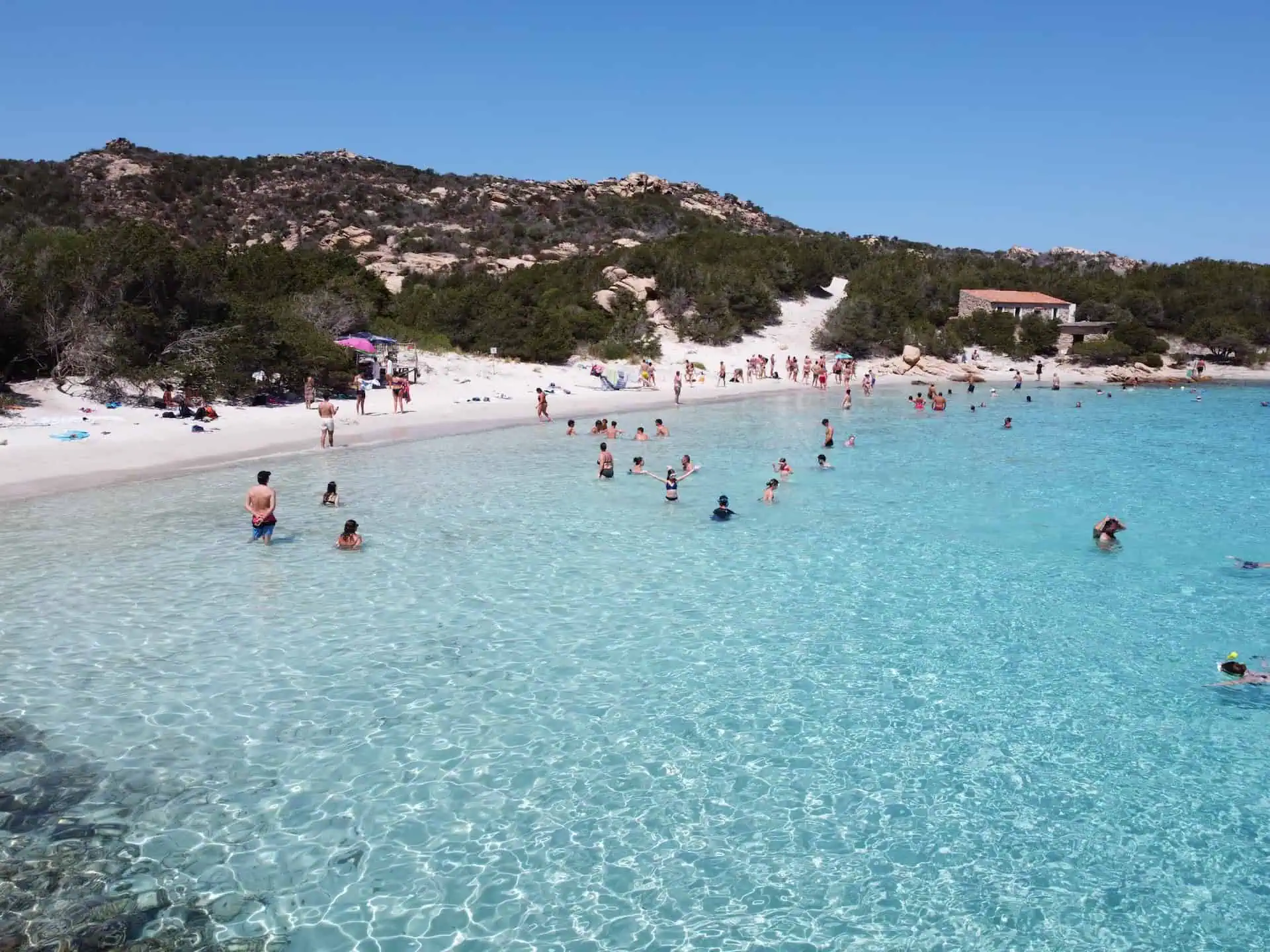
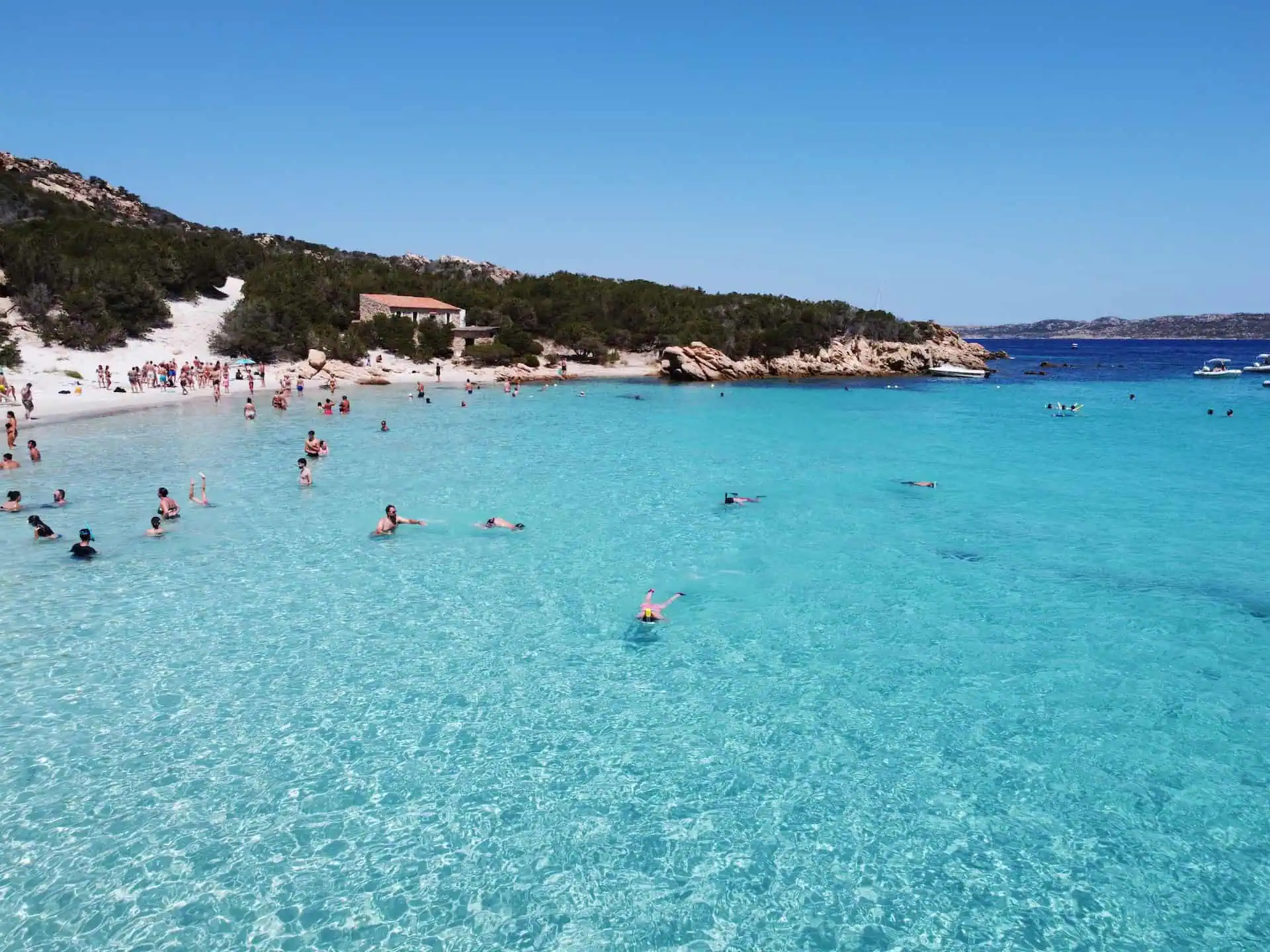
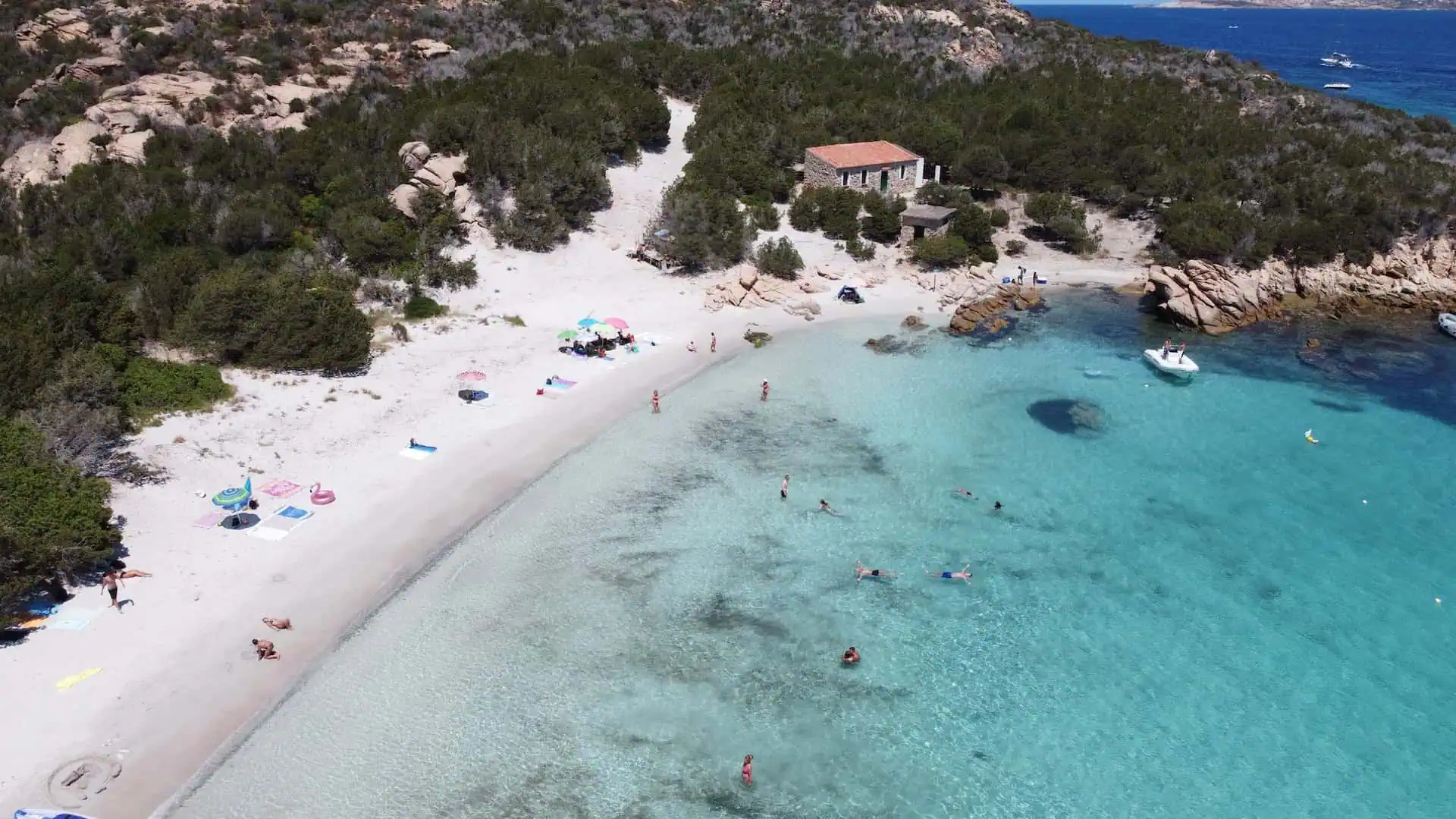
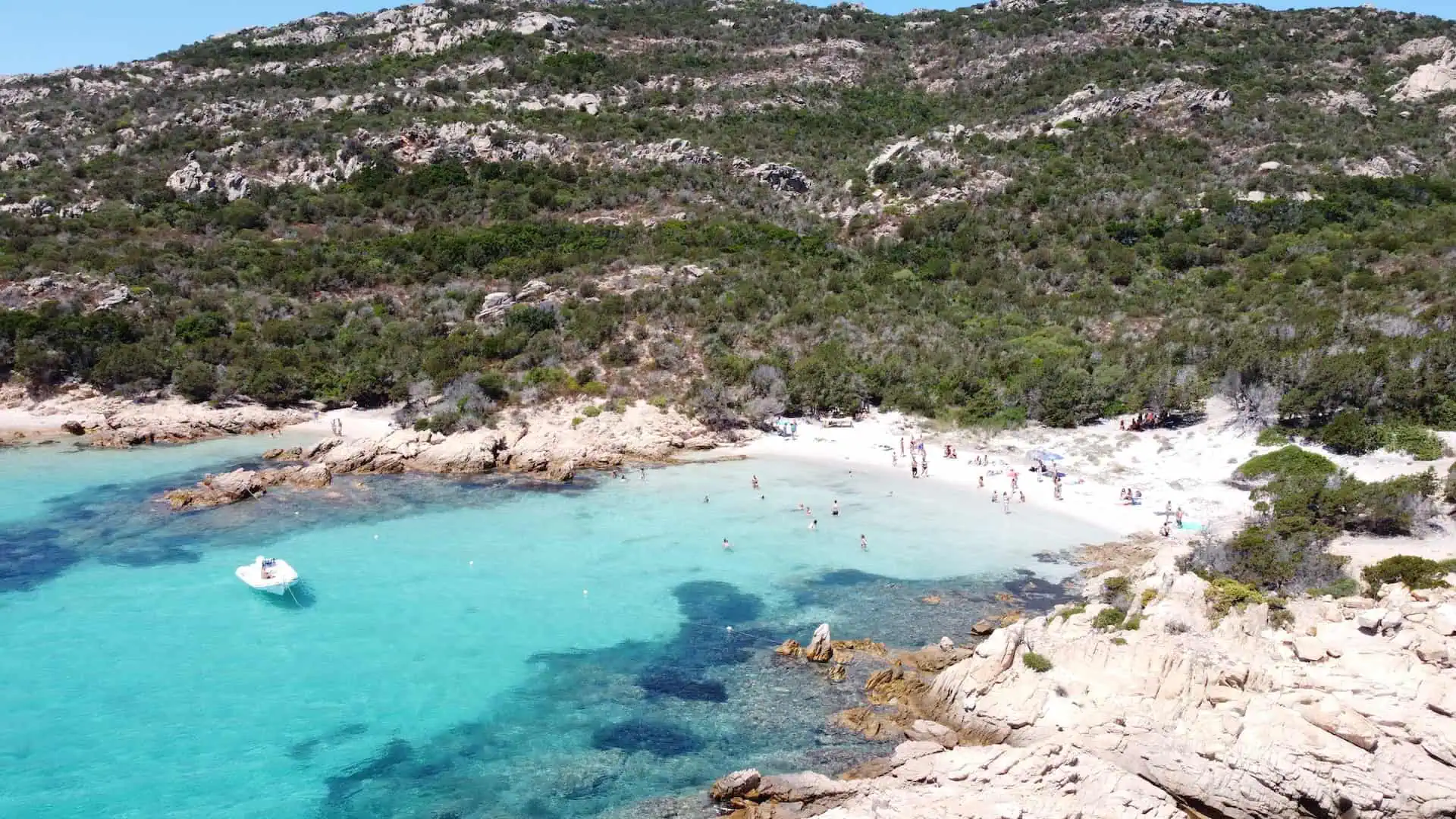
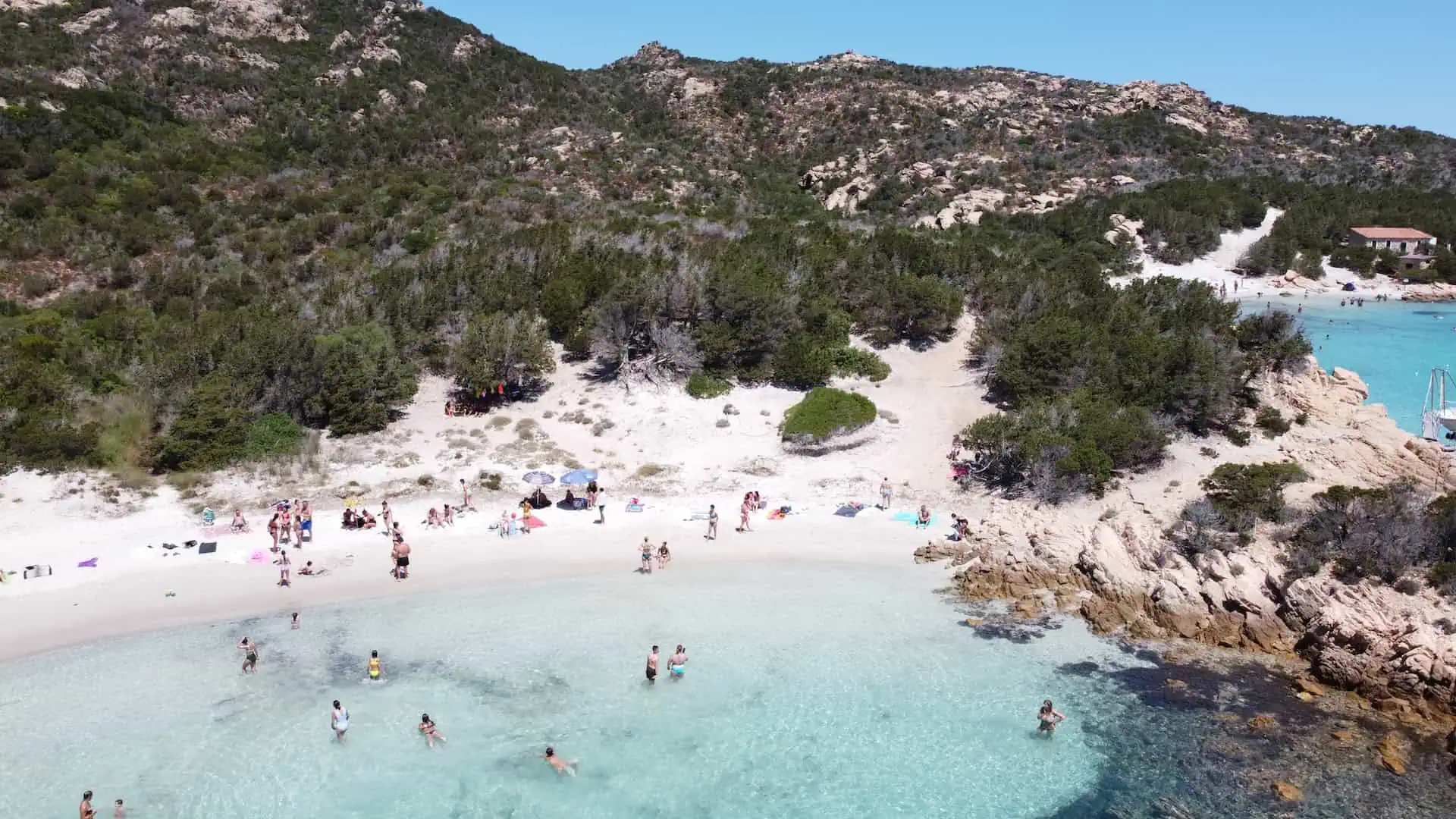
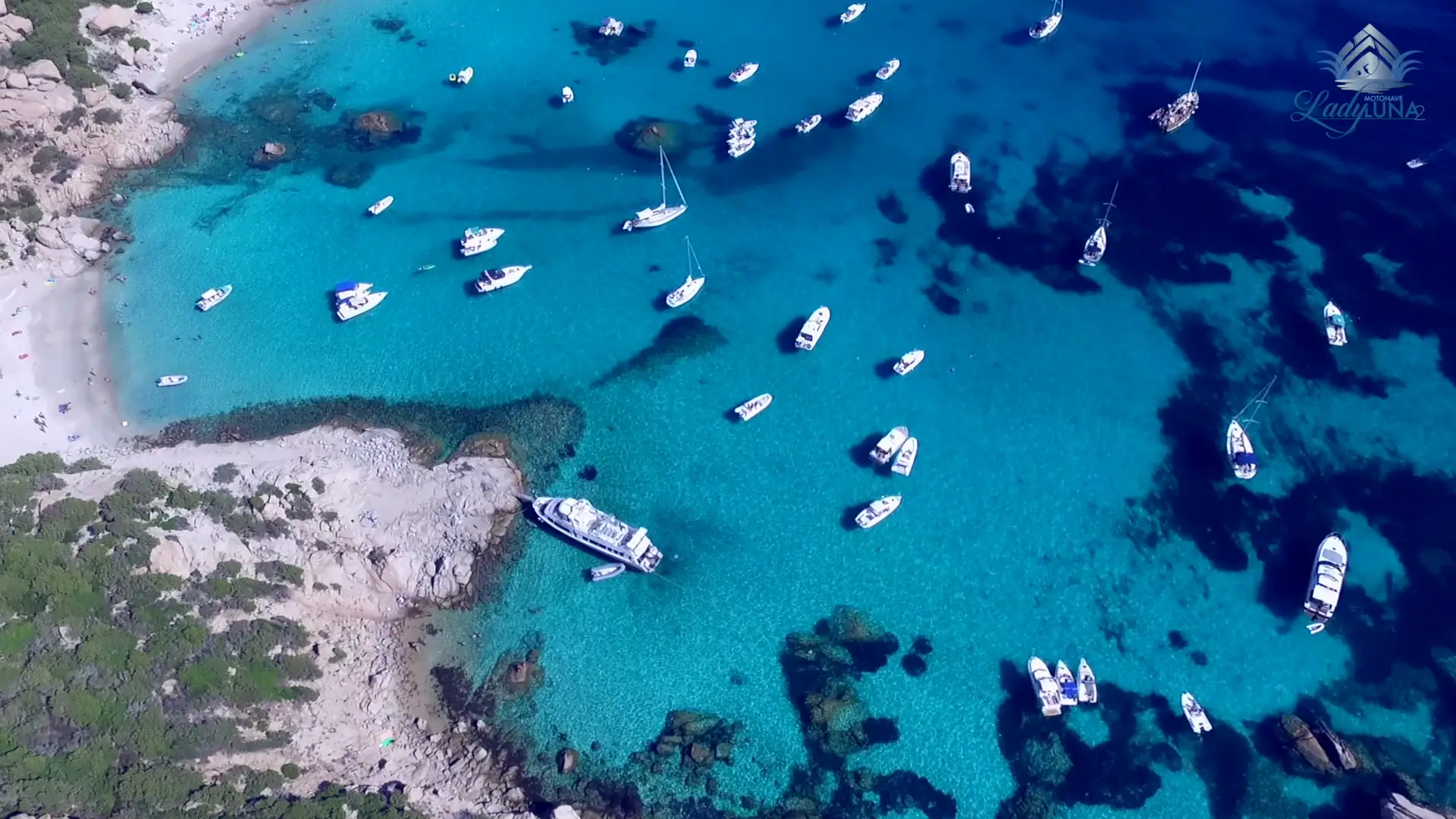
The island is dotted with small coves set into the granite, known for their fine sand, shallow water and surrounding greenery.
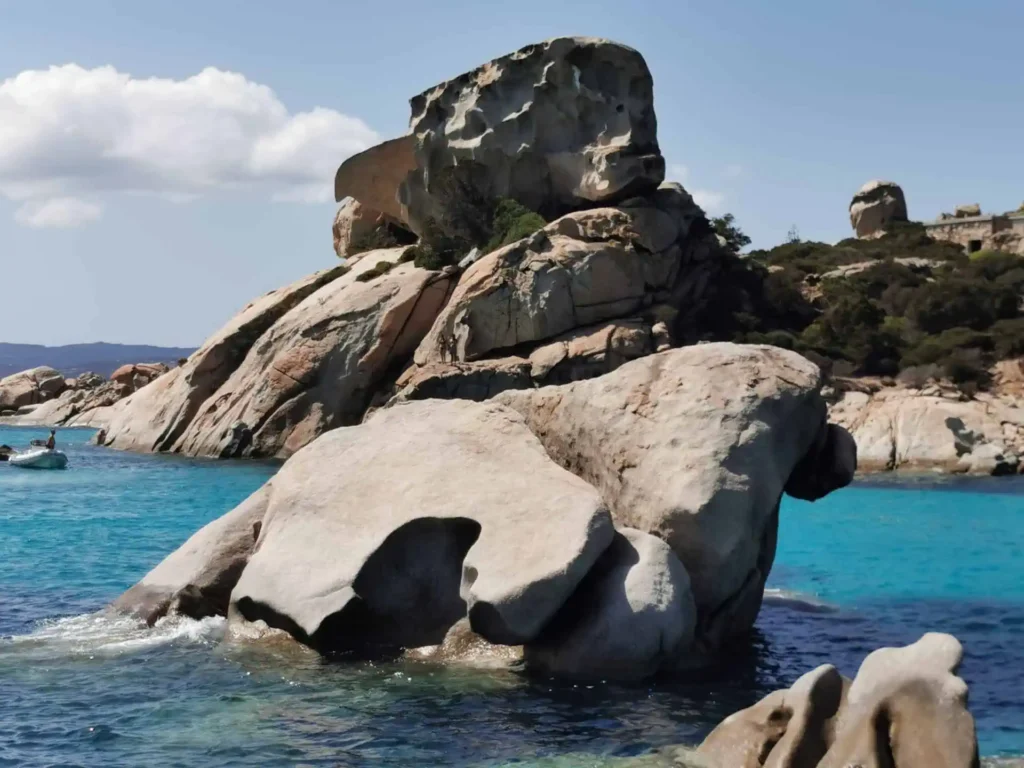
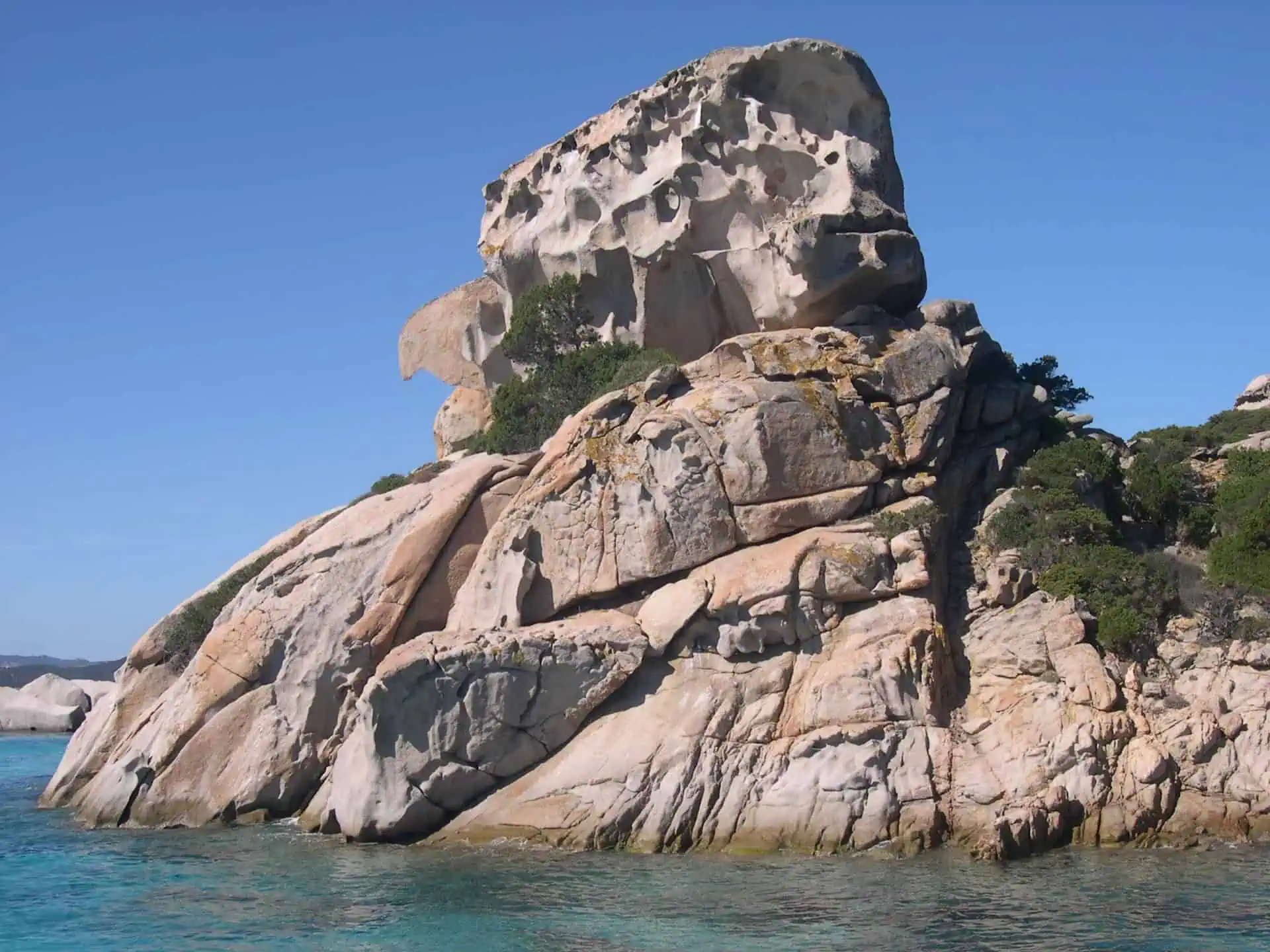
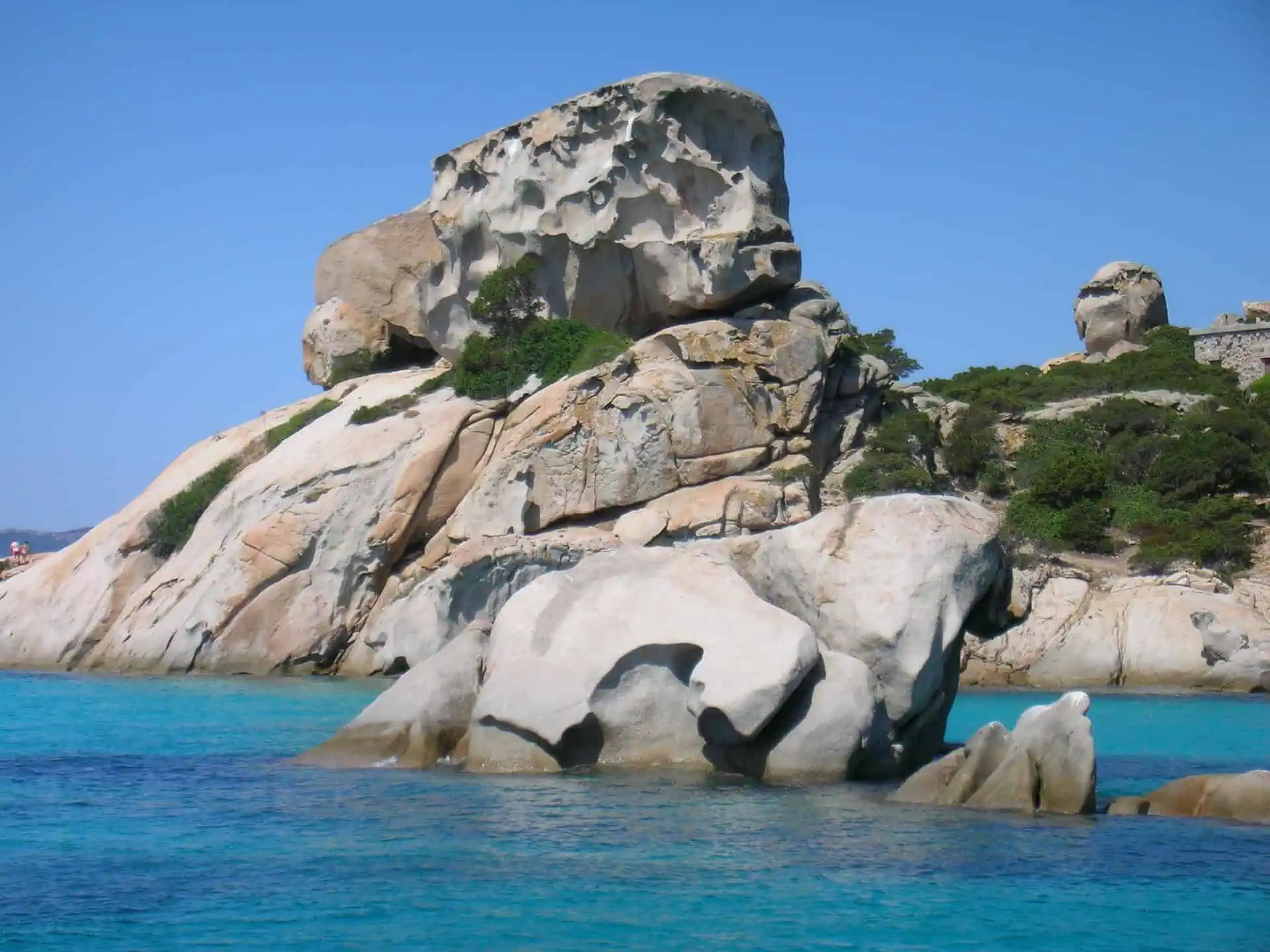
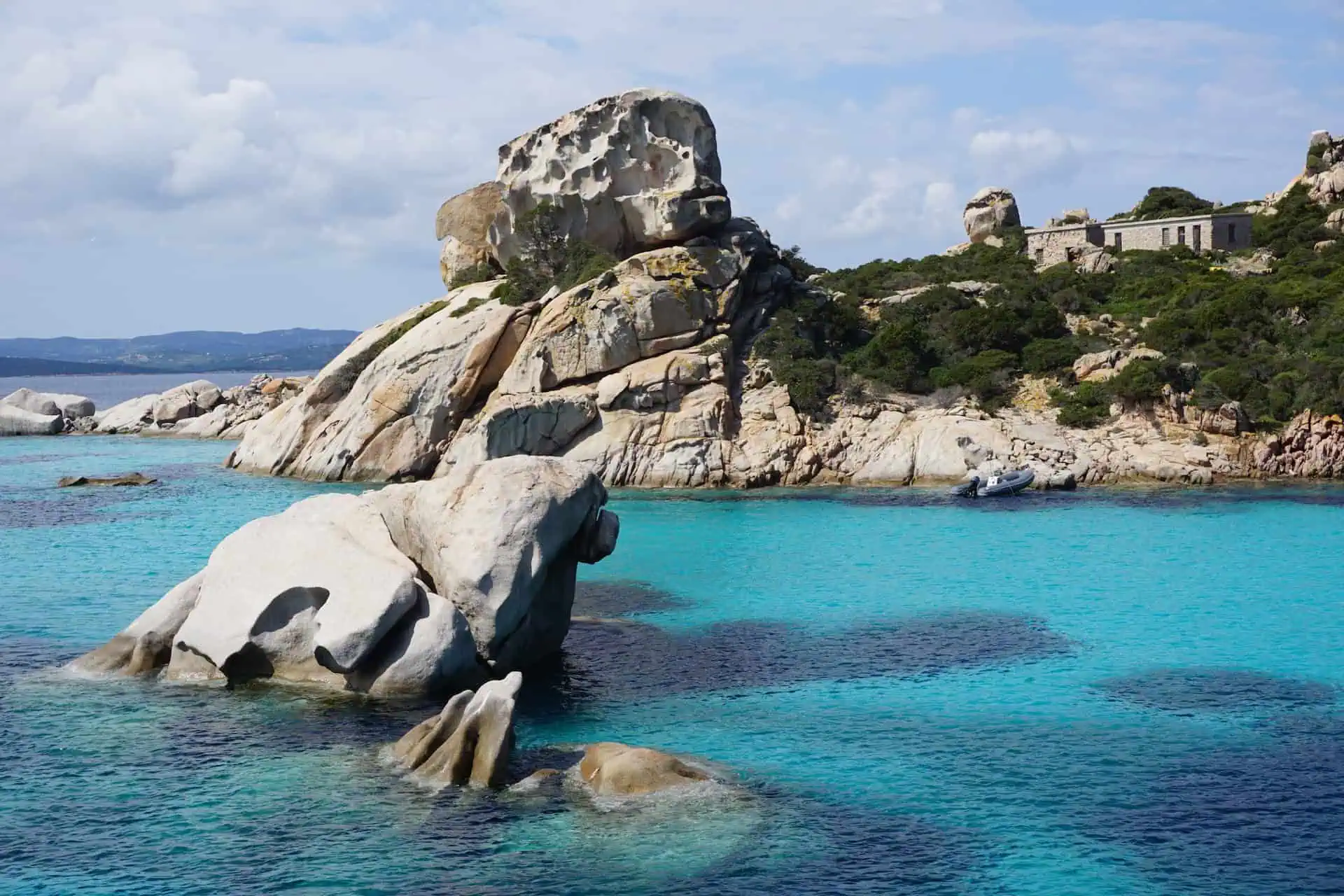
Unique granite sculptures
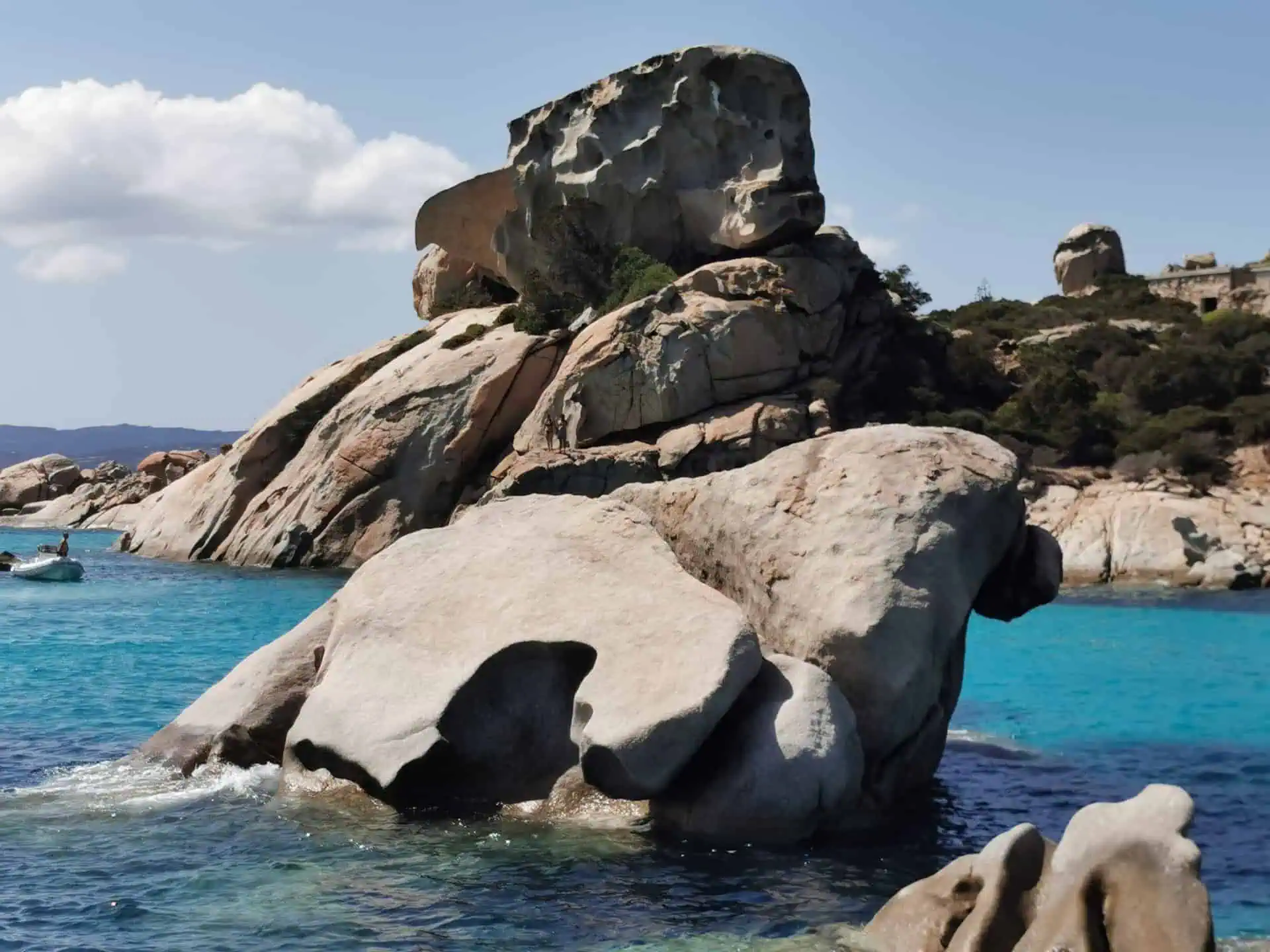
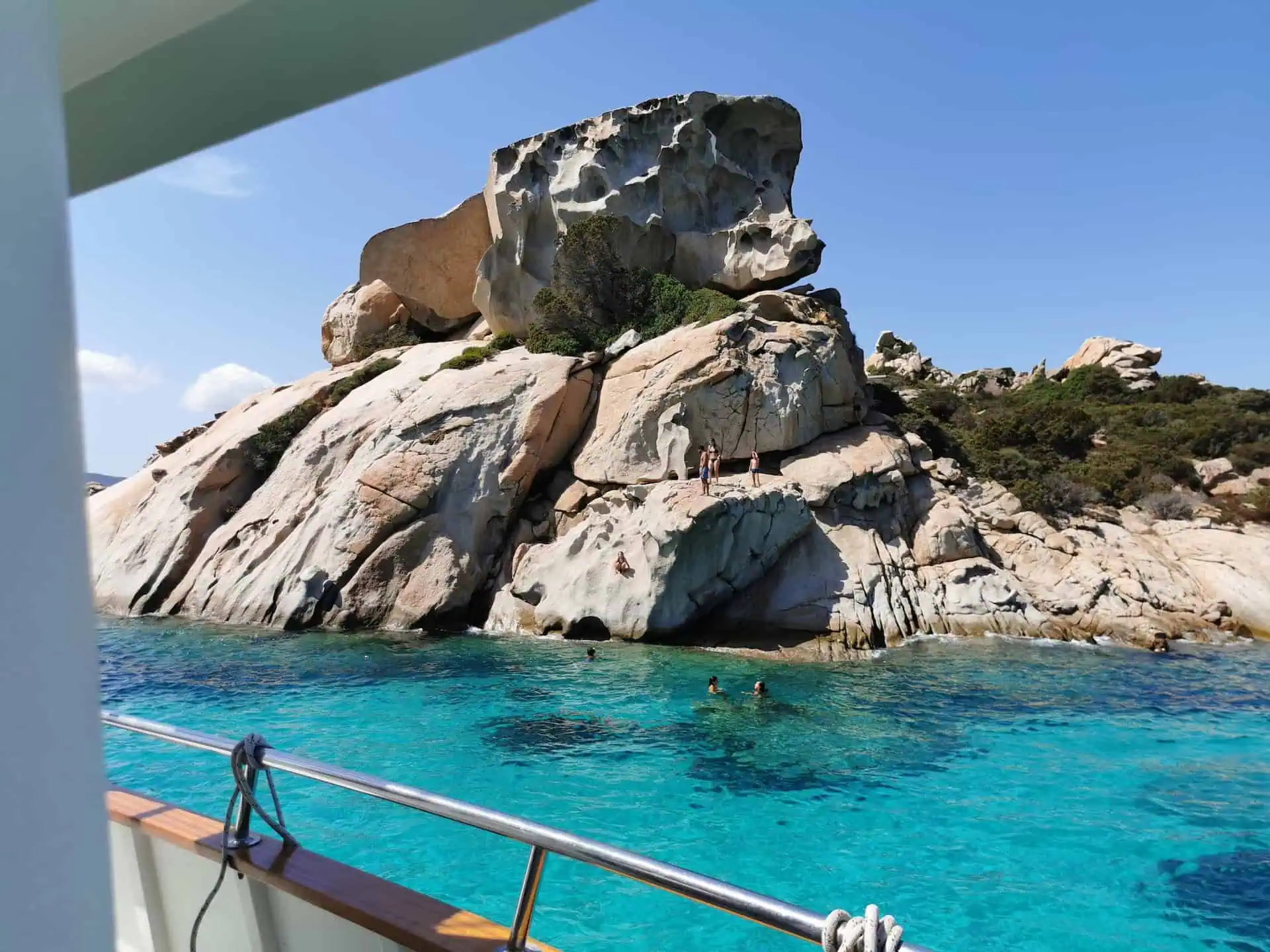
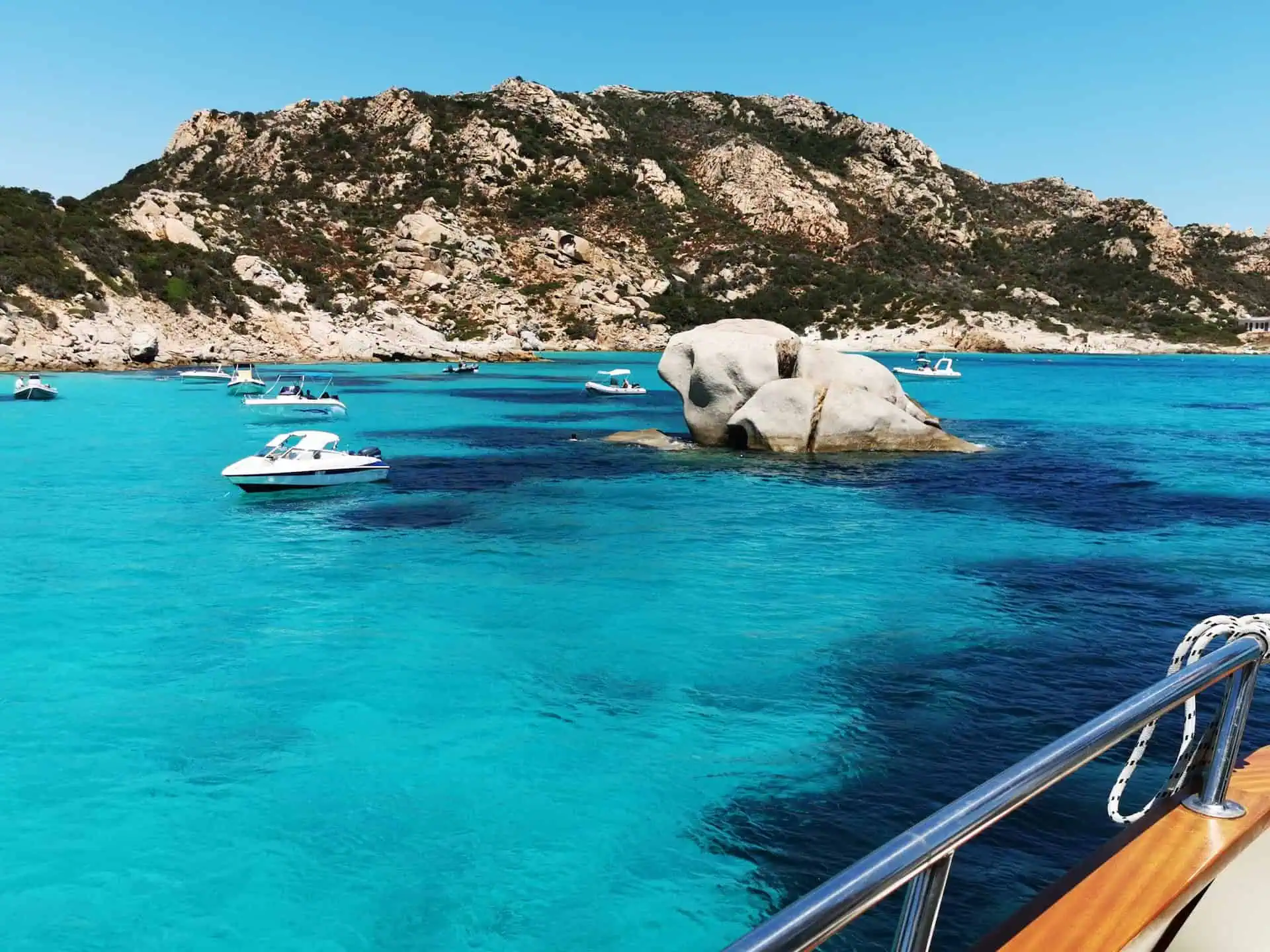
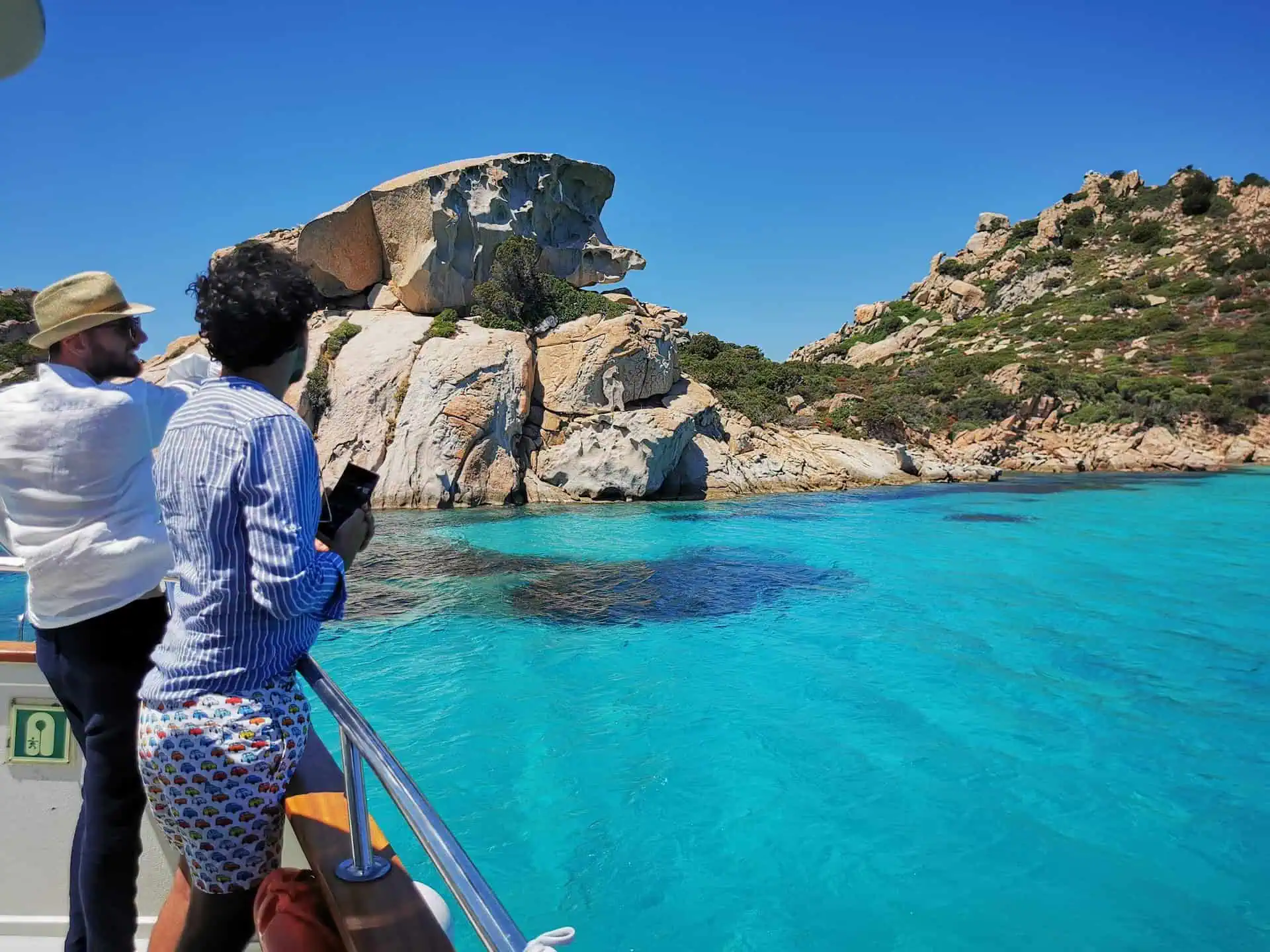
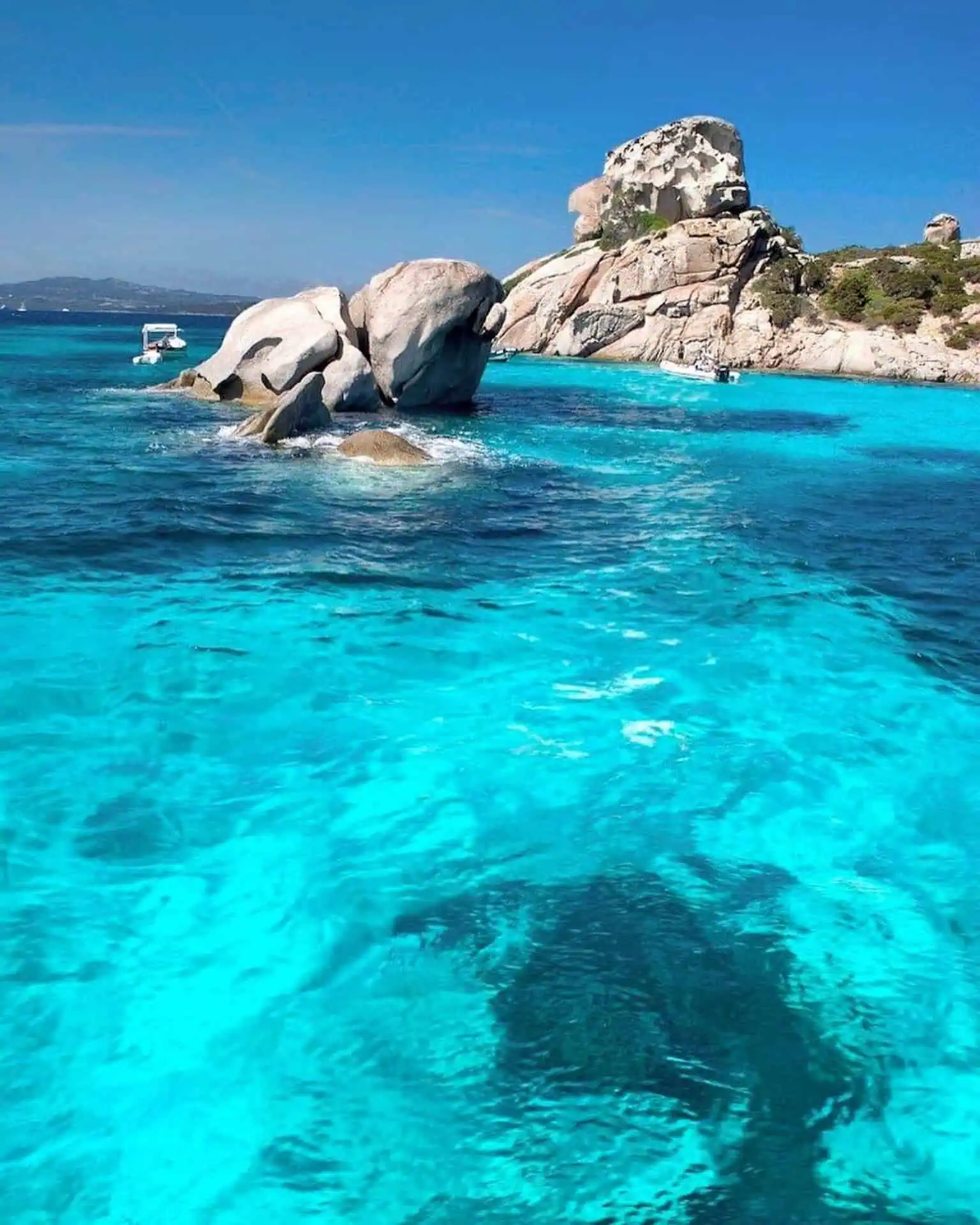
The Witch Rock and the Bulldog are among the most recognisable, their silhouettes shifting shape depending on where you stand.
Rare wildlife
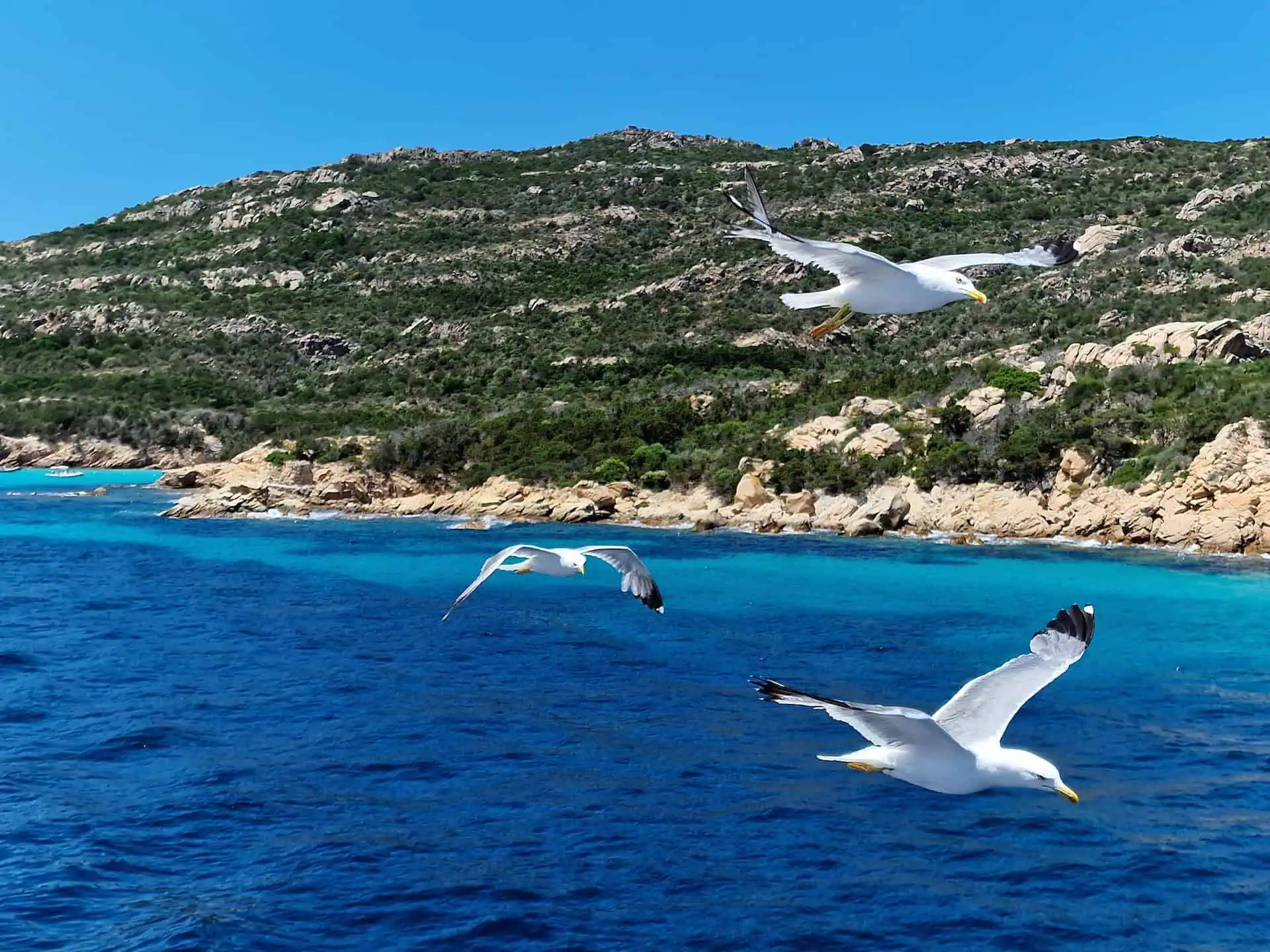
The island is a nesting ground for the Corsican gull, a protected species that is becoming increasingly rare across the Mediterranean.
The history of Spargi Island
Spargi has not always been uninhabited. Sailing along its coast means following a route shaped by Nuragic culture, with Roman remains and military fortifications that hint at two thousand years of history.
Nuragic tafoni
Carved into the island's rocks are the tafoni, natural cavities enlarged by human hands and used as shelter by the island's earliest inhabitants. Easy to miss if you don't know where to look.
Roman shipwreck
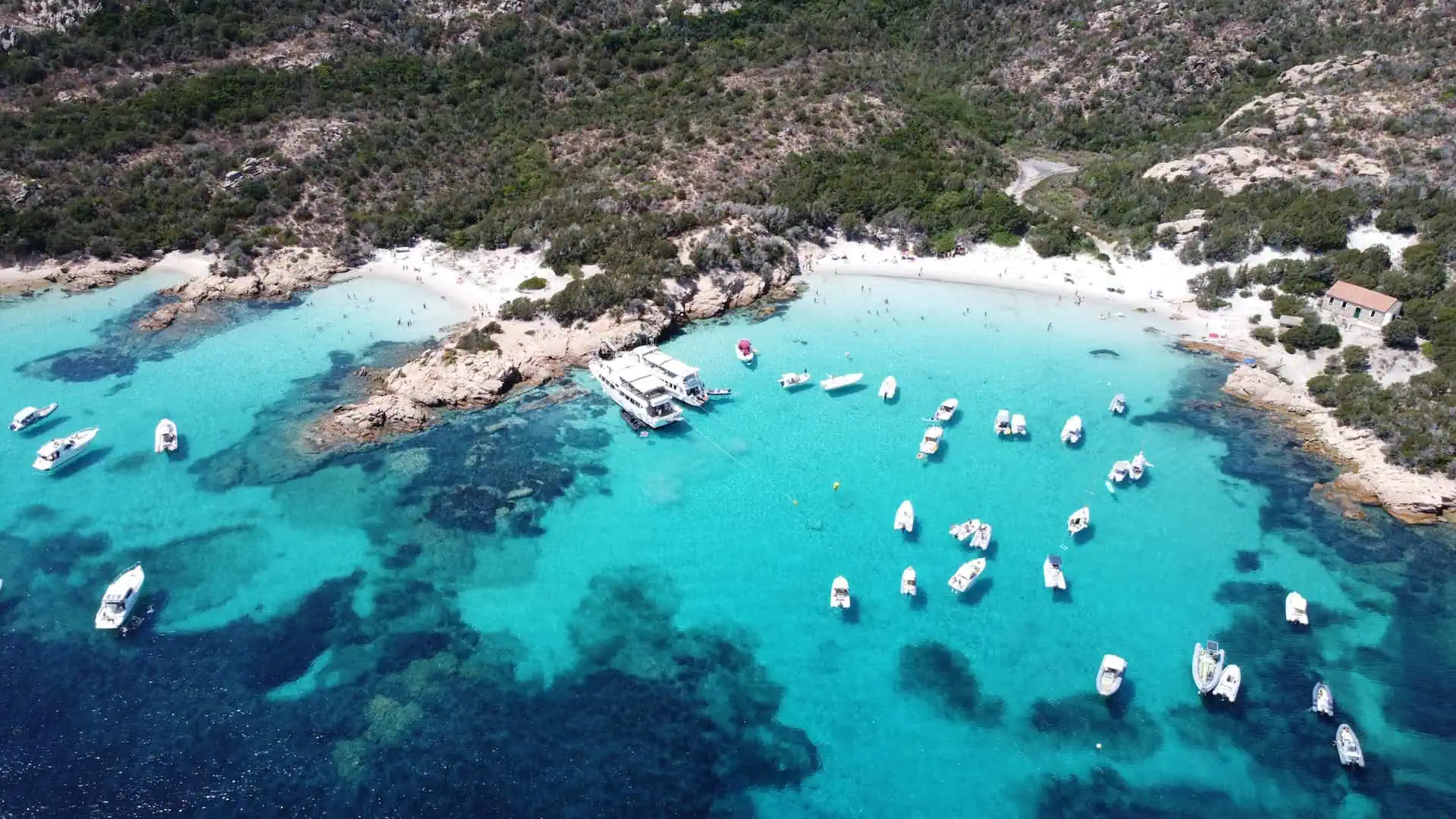
Off the coast of Cala Corsara lies the wreck of a Roman vessel, sunk in the 1st century BC, and still studied by archaeologists. Part of its cargo is on display at the Naval Museum of La Maddalena.
Wild animals
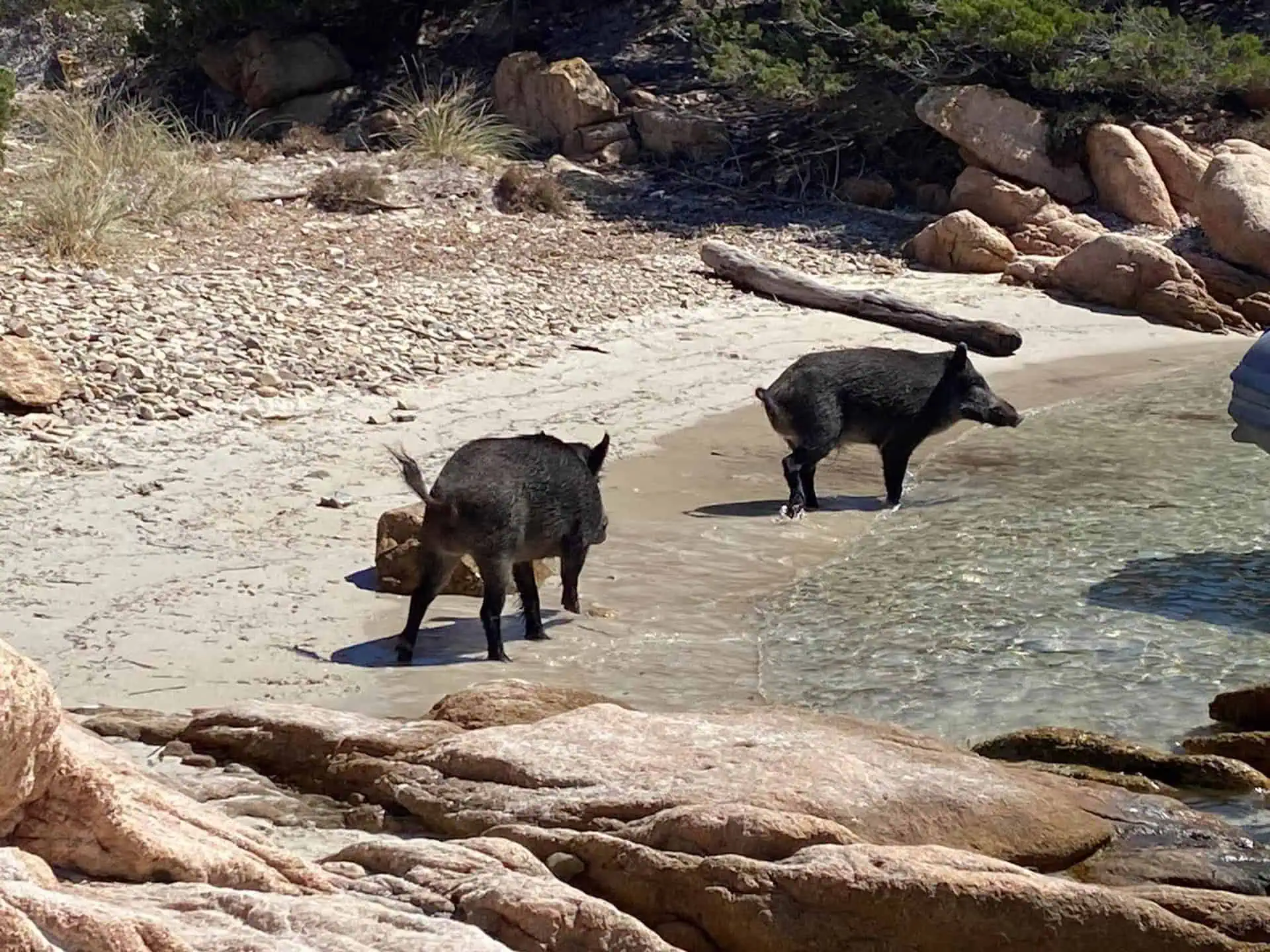
Early in the morning you may spot the rare and protected Corsican gull gliding along the coast. Less likely, but not unheard of, is coming across a wild boar on the shore.
Our stops on Spargi Island
Our route around Spargi Island takes in the coves that show it at its best.
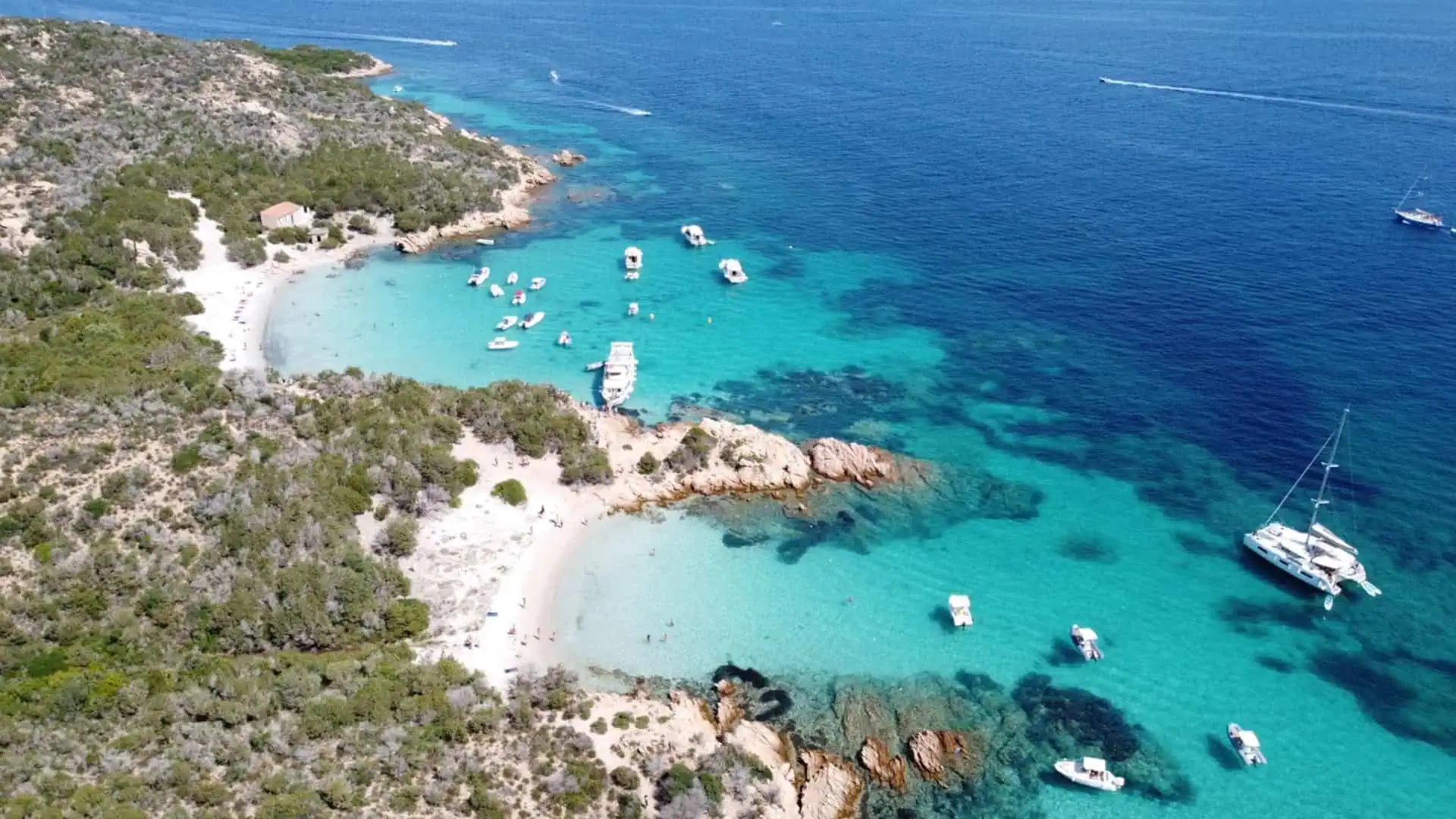
The main stop on the tour: an hour to swim, explore and enjoy the most famous beach on Spargi, with its fine white sand and shallow, clear water.
Cala Granara
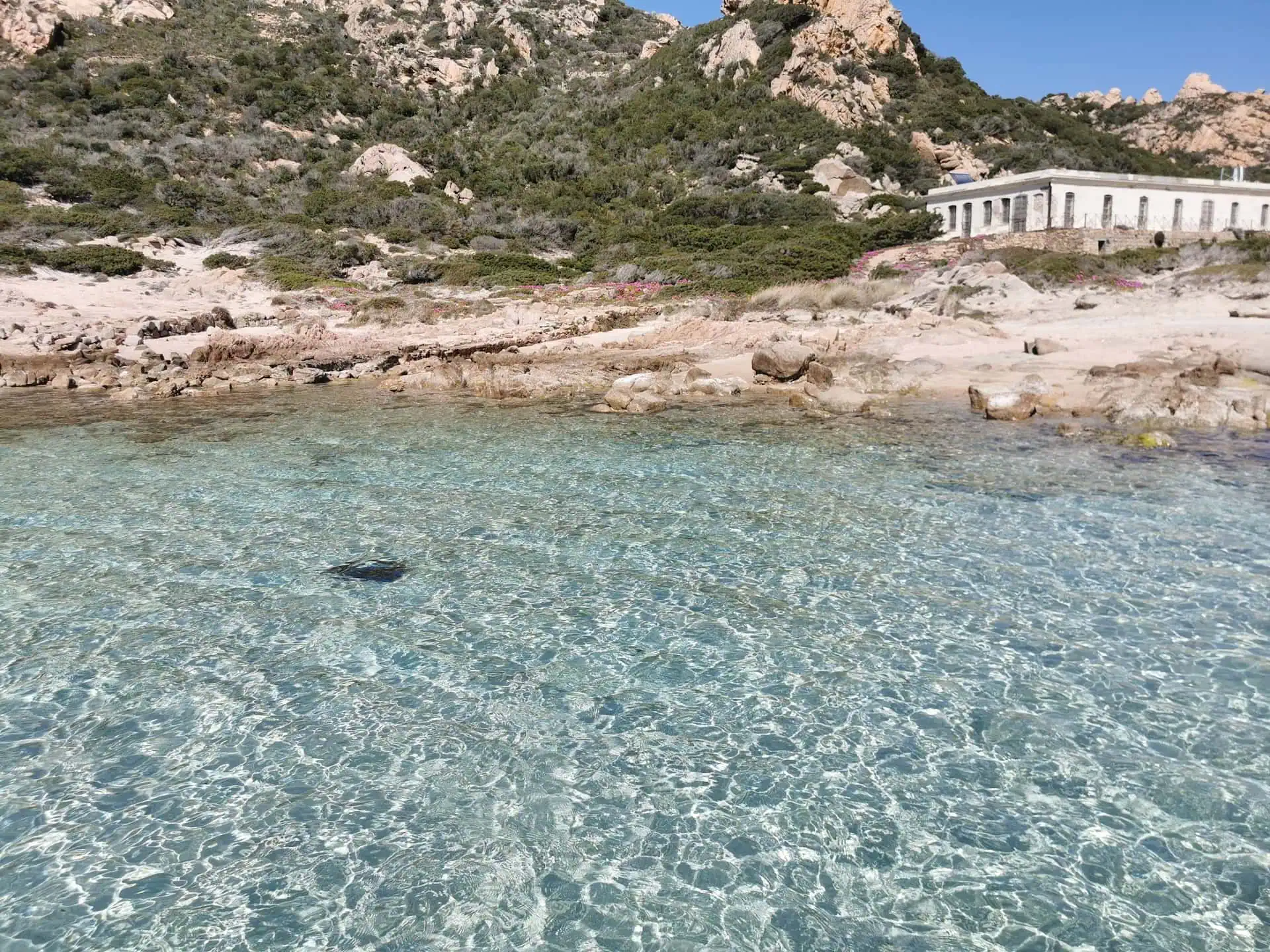
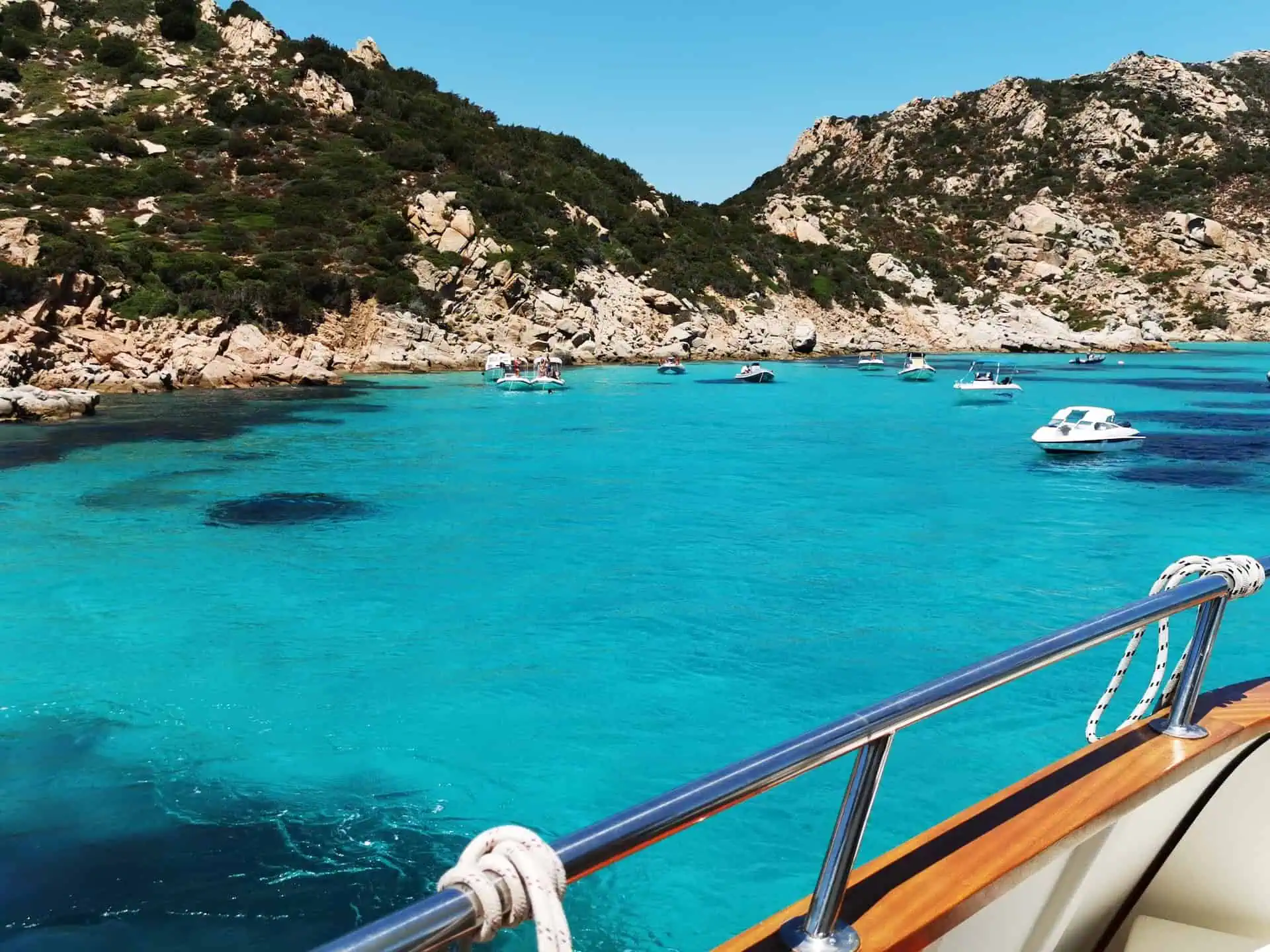
More sheltered than Cala Corsara, with vegetation that comes almost down to the water's edge.
Cala Cioccaro (Soraya)
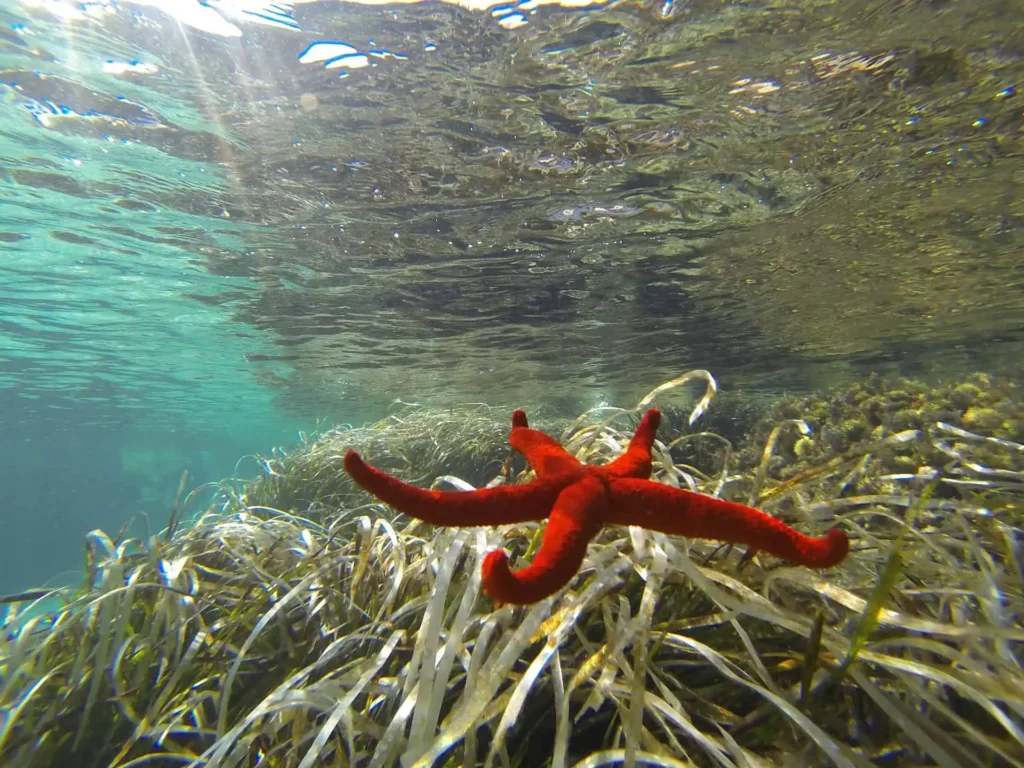
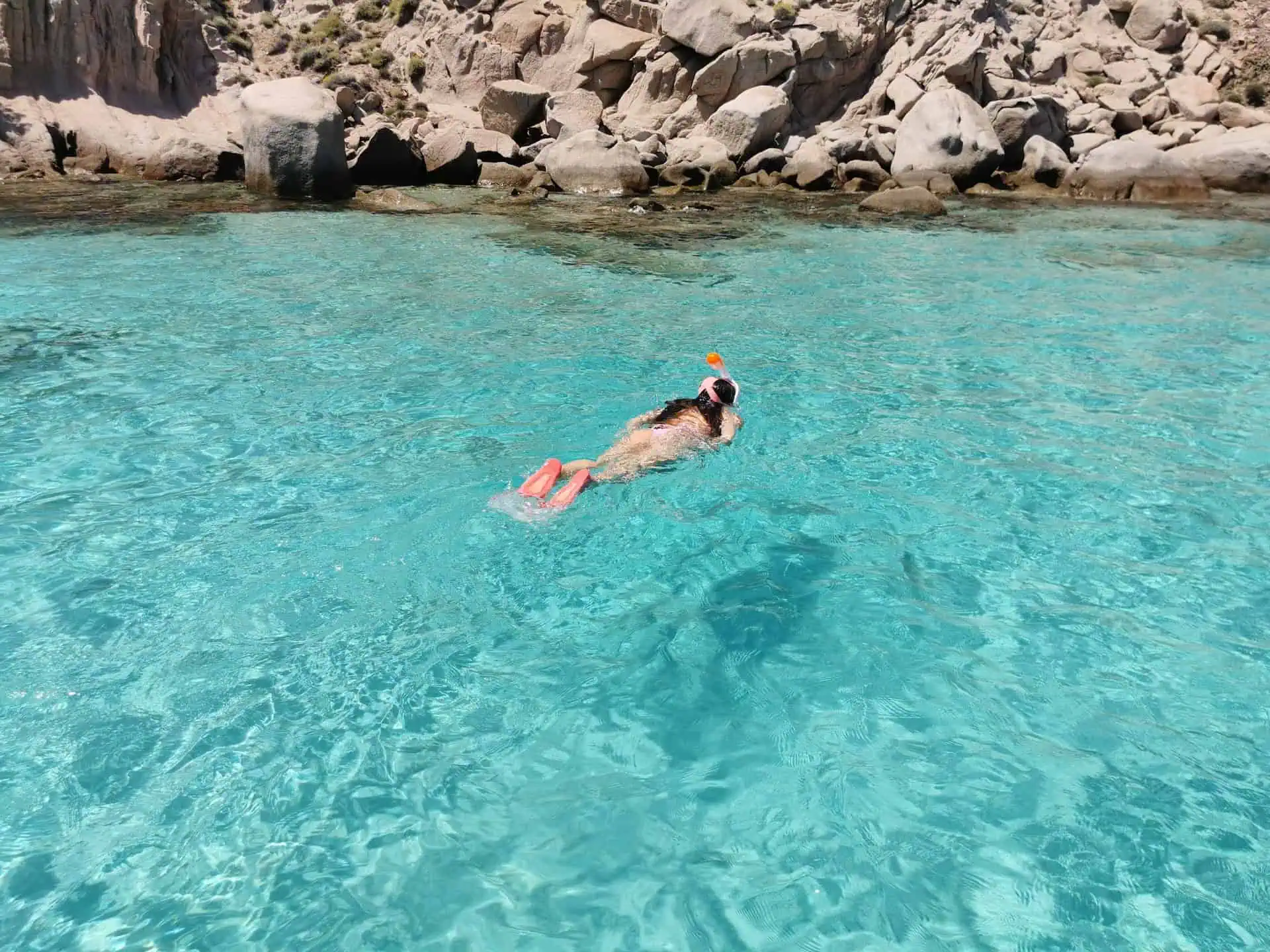
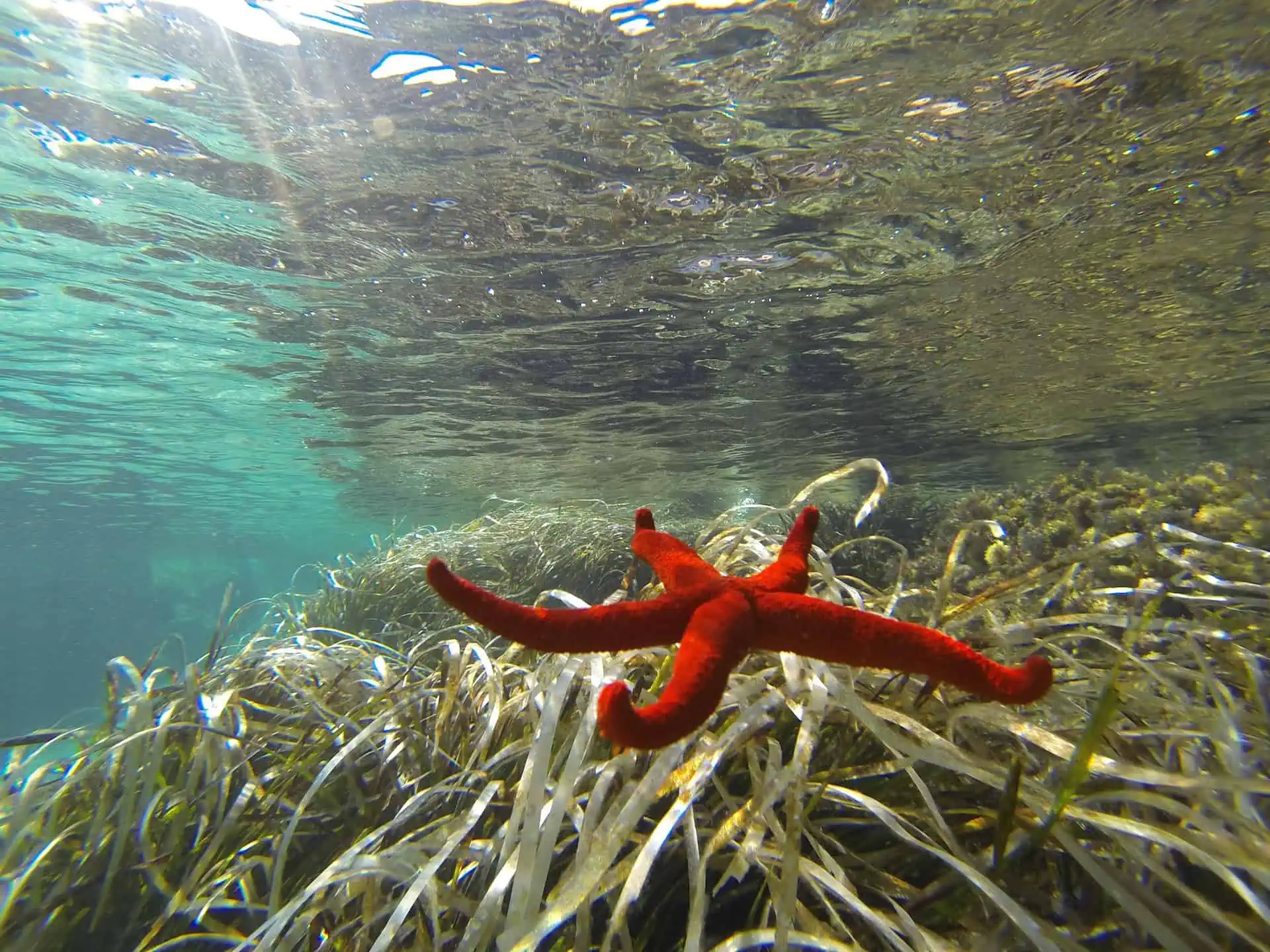
A small inlet made for snorkelling, with fish, starfish and the occasional octopus drifting between the rocks.
Gallery
Explore Spargi Island aboard Lady Luna 3
There is only one way to reach Spargi Island and take it all in: by sea. Join us on board Lady Luna 3 to explore this remarkable place and make memories that will stay with you.
We use cookies to ensure that we give you the best experience on our website. If you continue to use this site we will assume that you are happy with it.